|

Haerenga – Journey

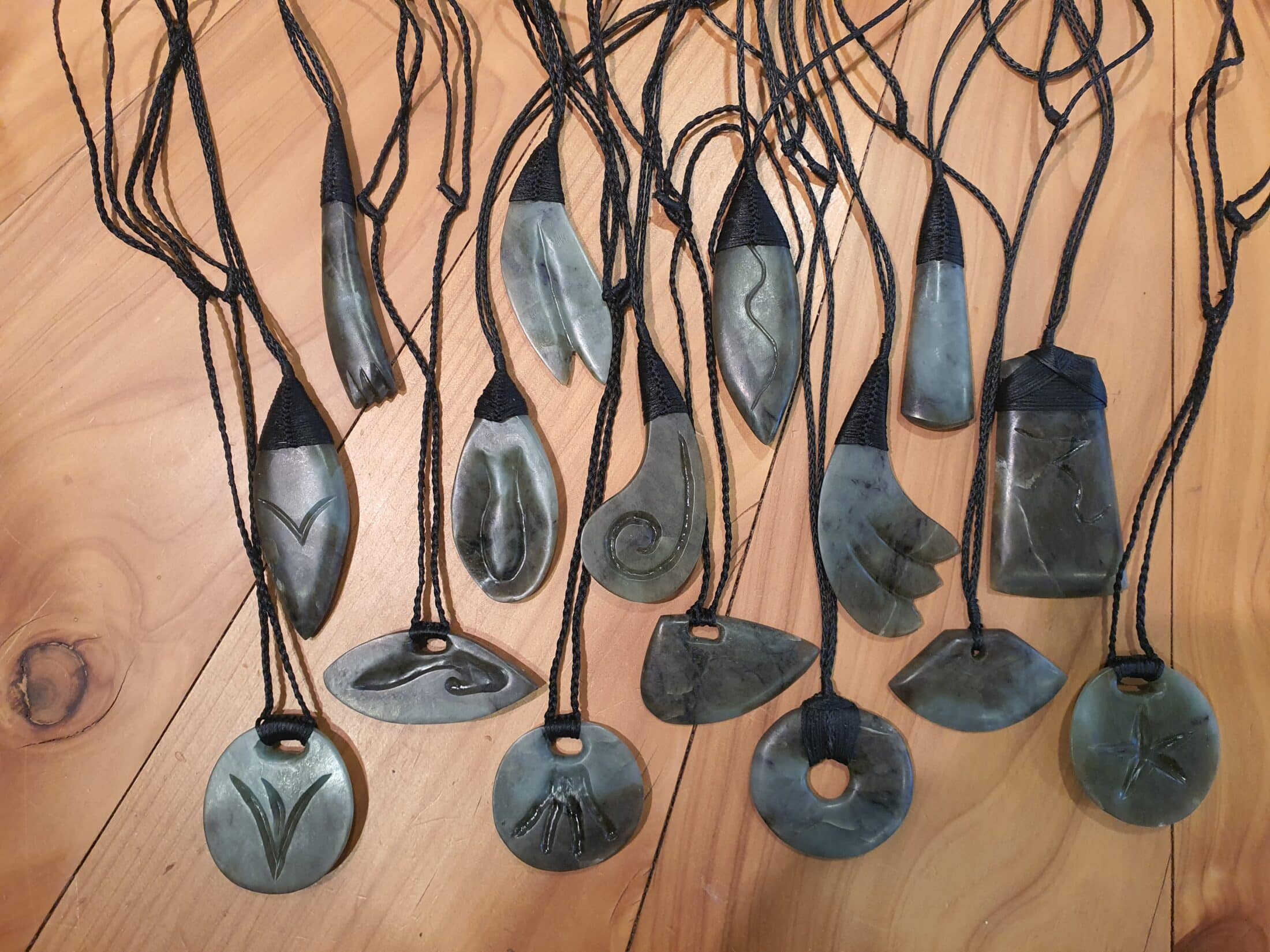
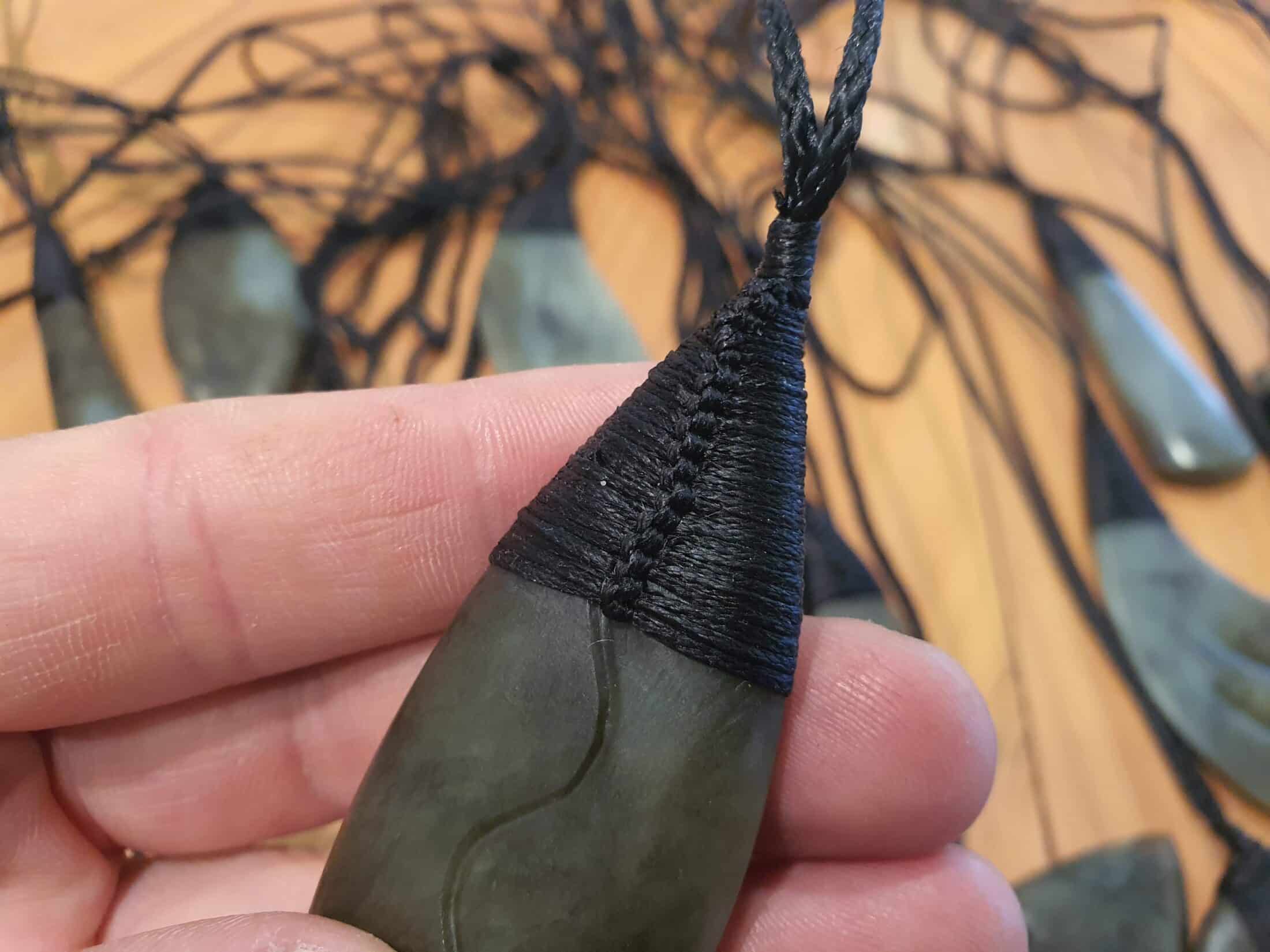
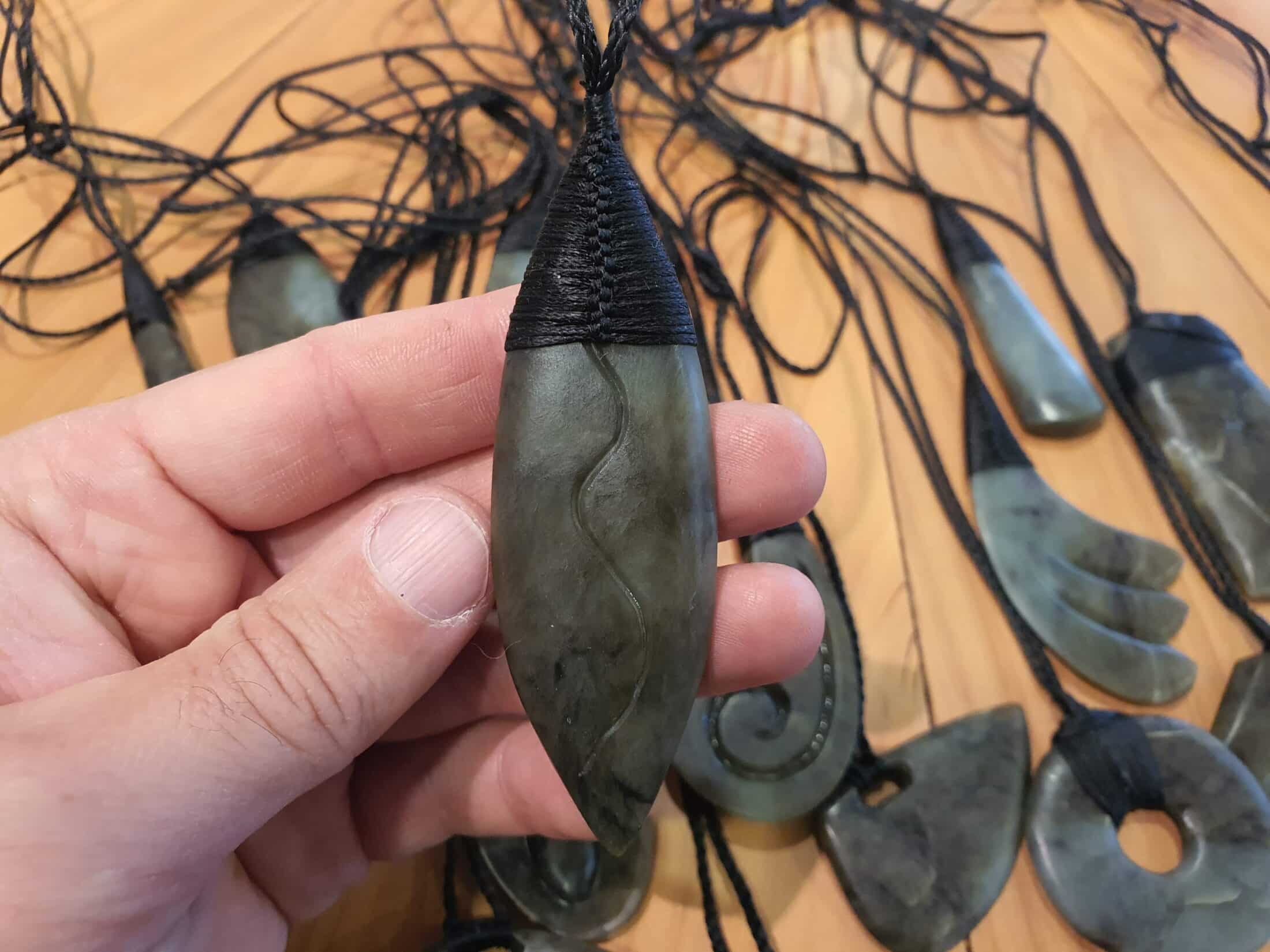
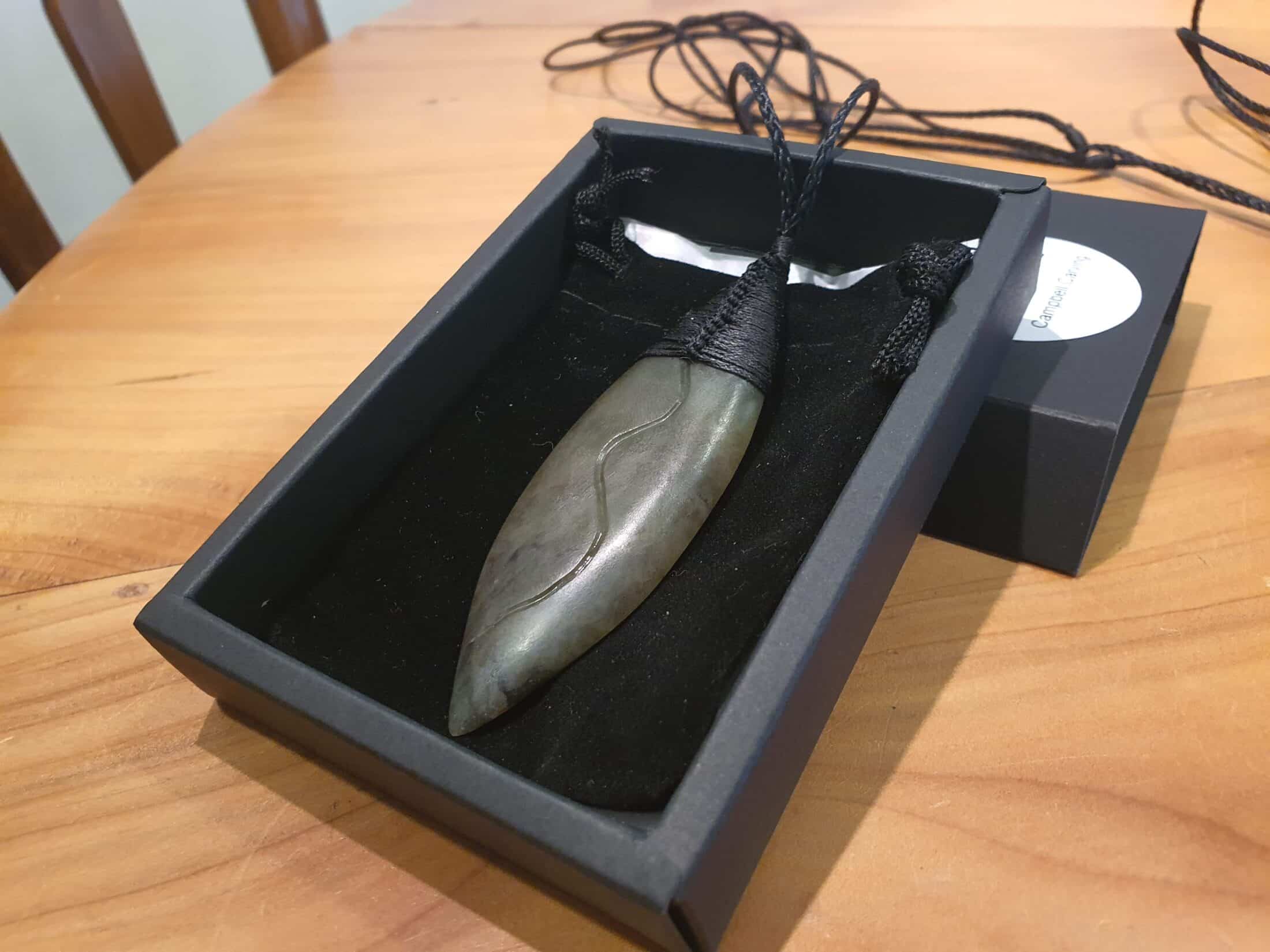
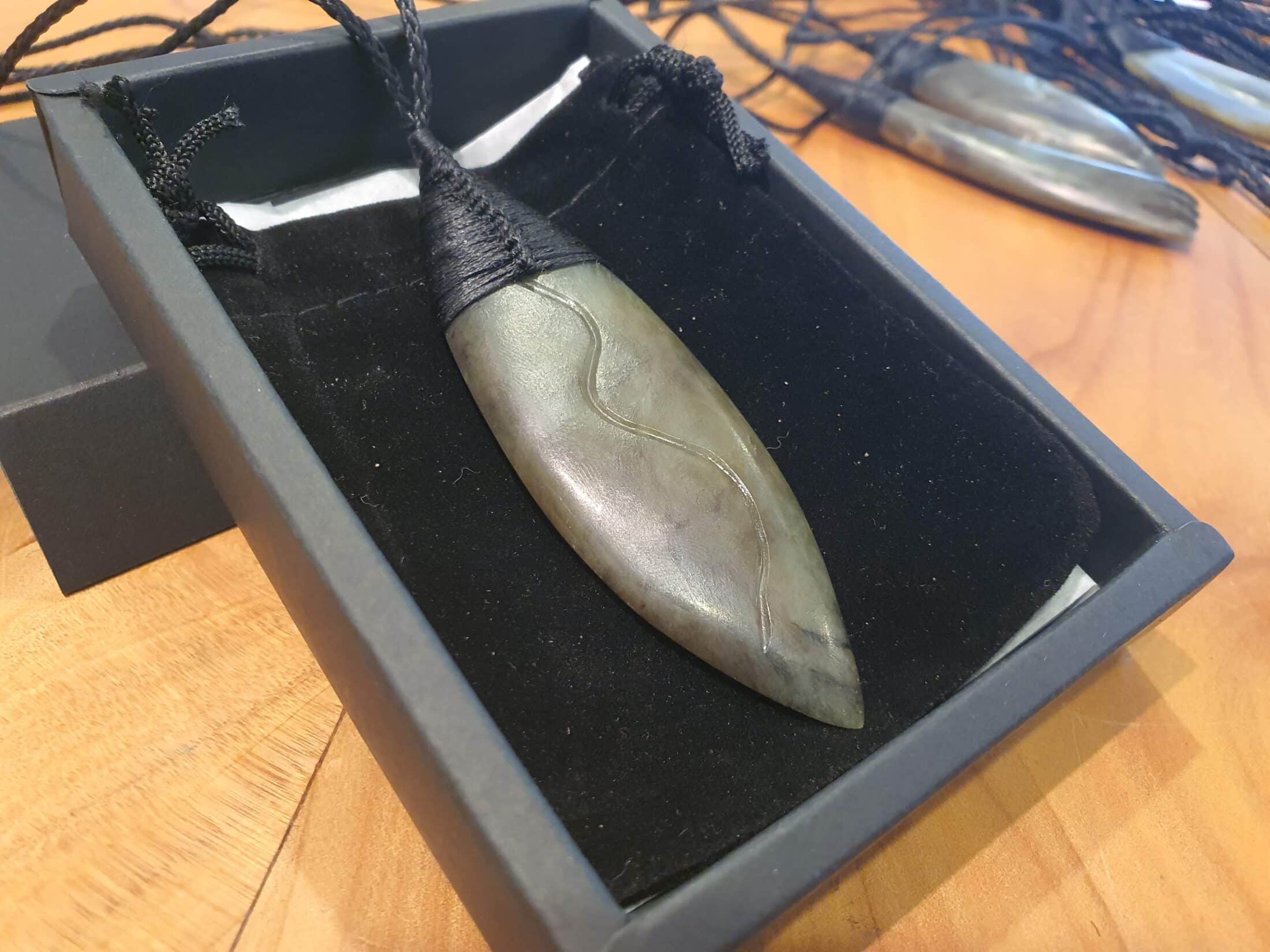
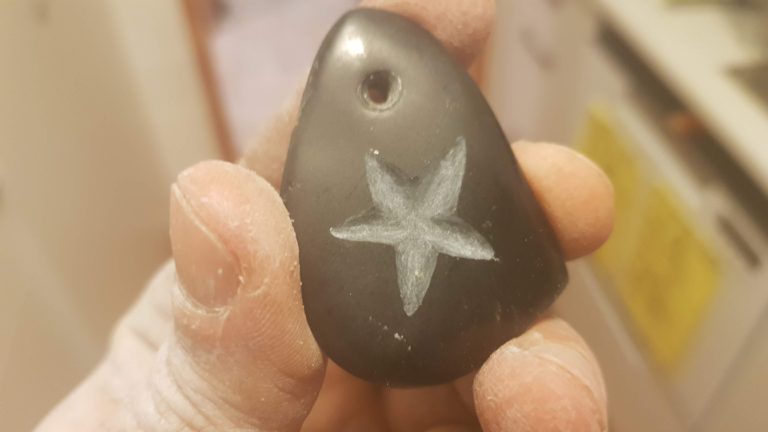
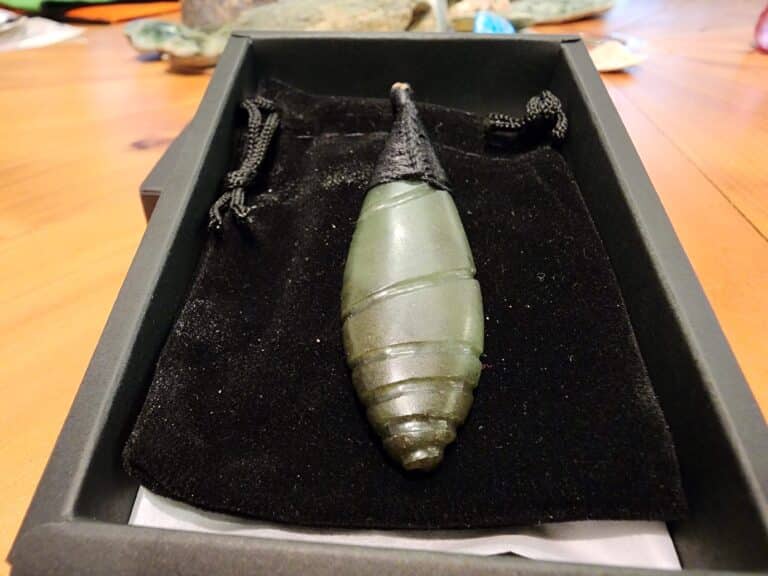
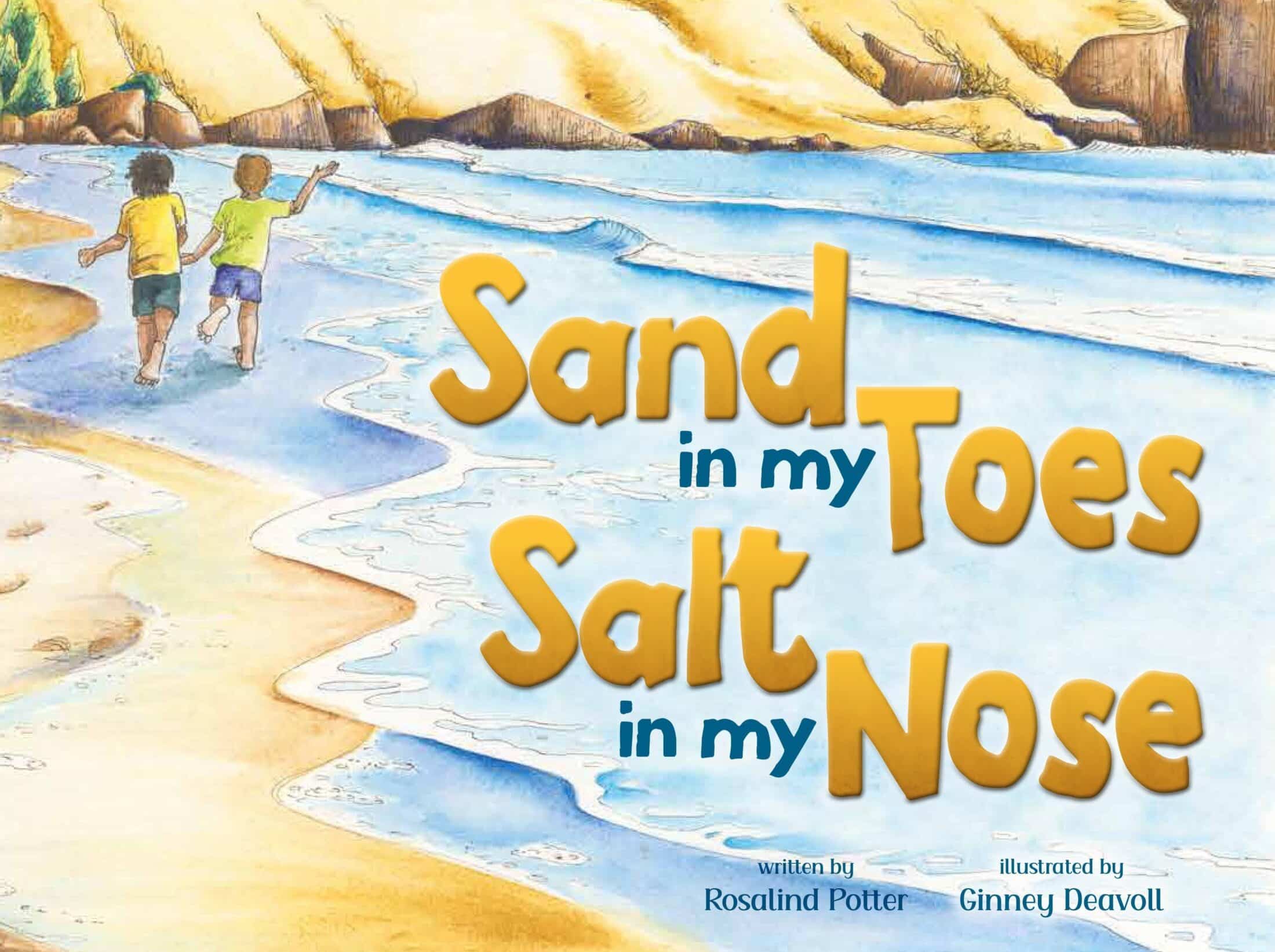
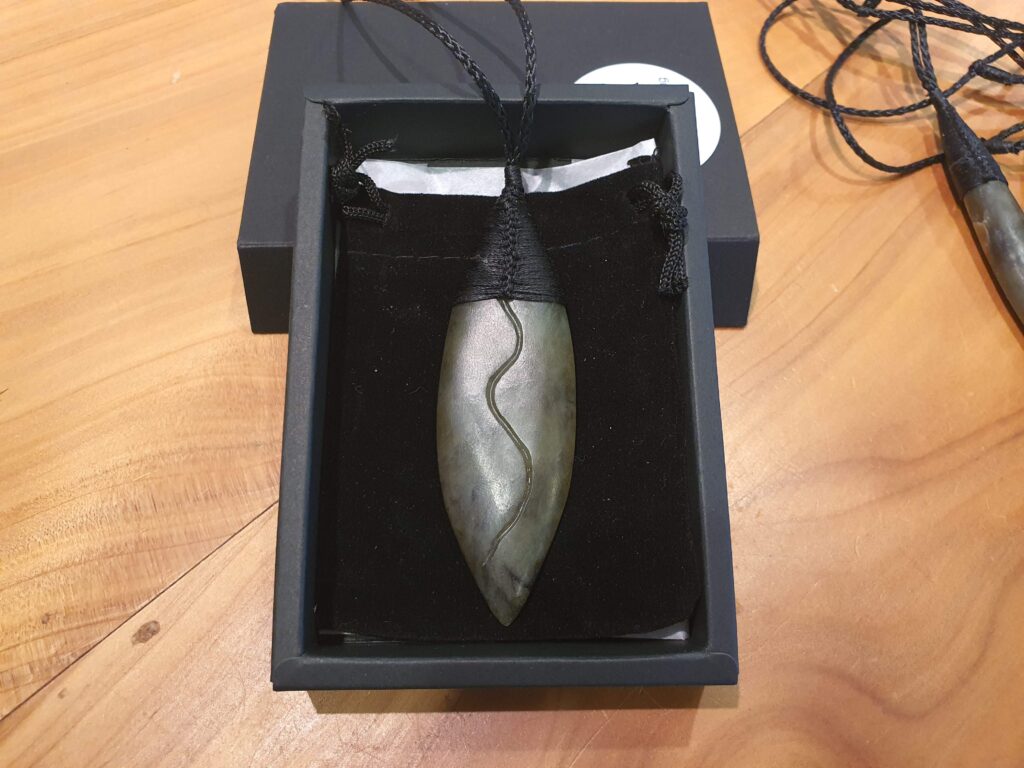
This is a pounamu that is part of a larger set. The set was made for a childrens book that my wife created. There is one pounamu for each page of the book. The main page for this is called Sand in my toes salt in my nose and you can see all the artwork and pounamu there. The book is available for purchase at rosalindpotter.com, along with prints of the art, all done by our good friend Ginney Deavoll.
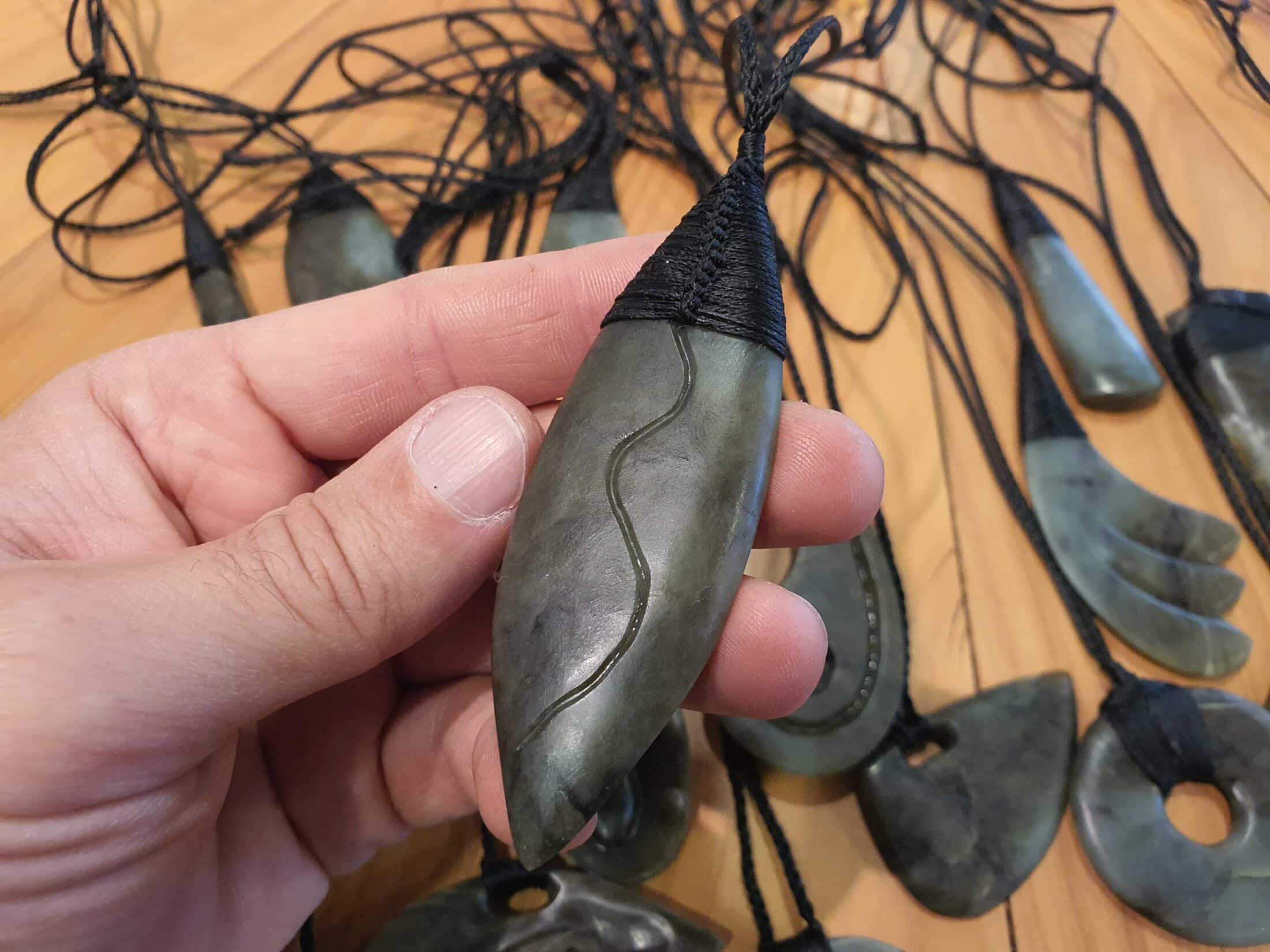
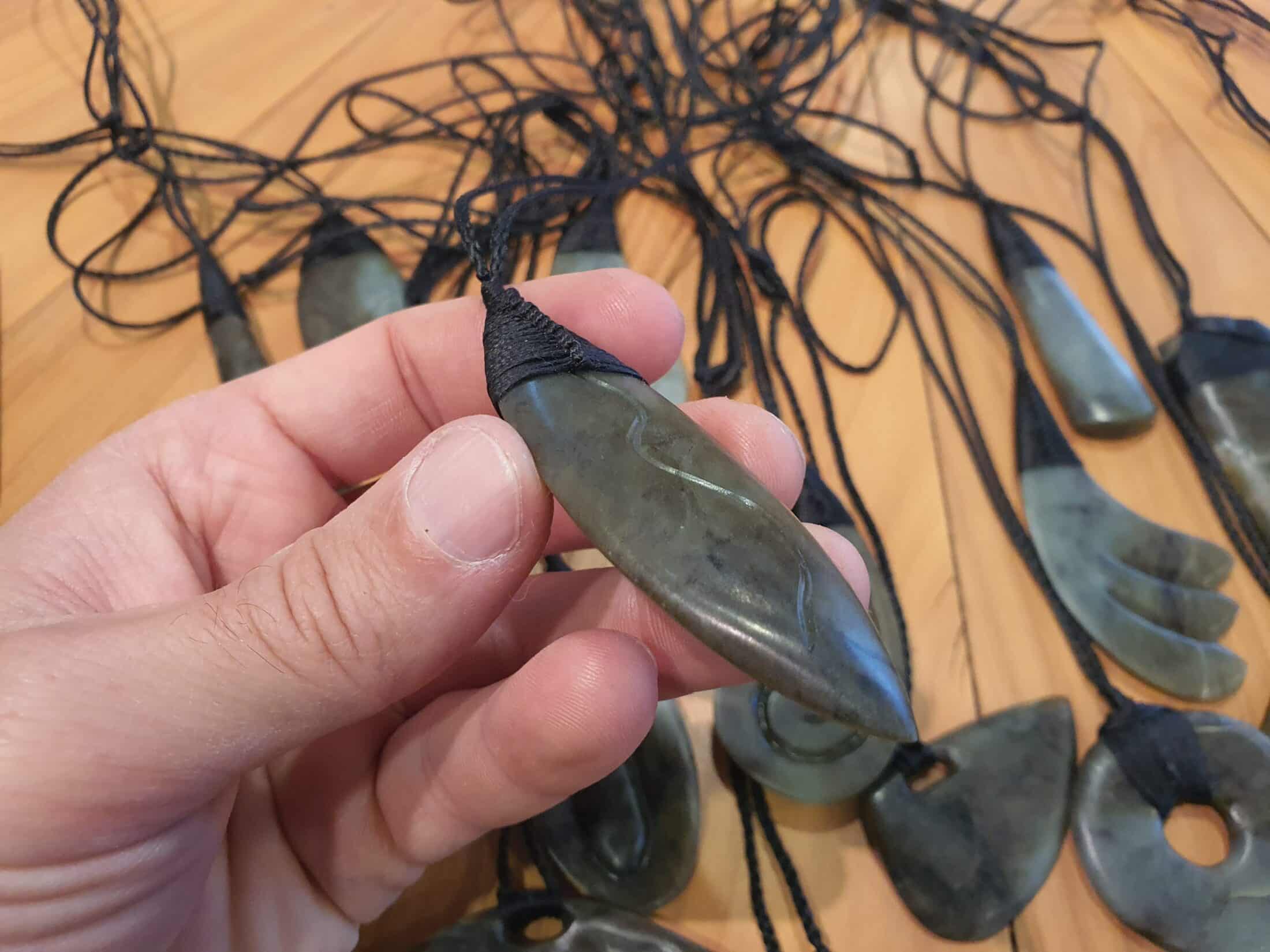
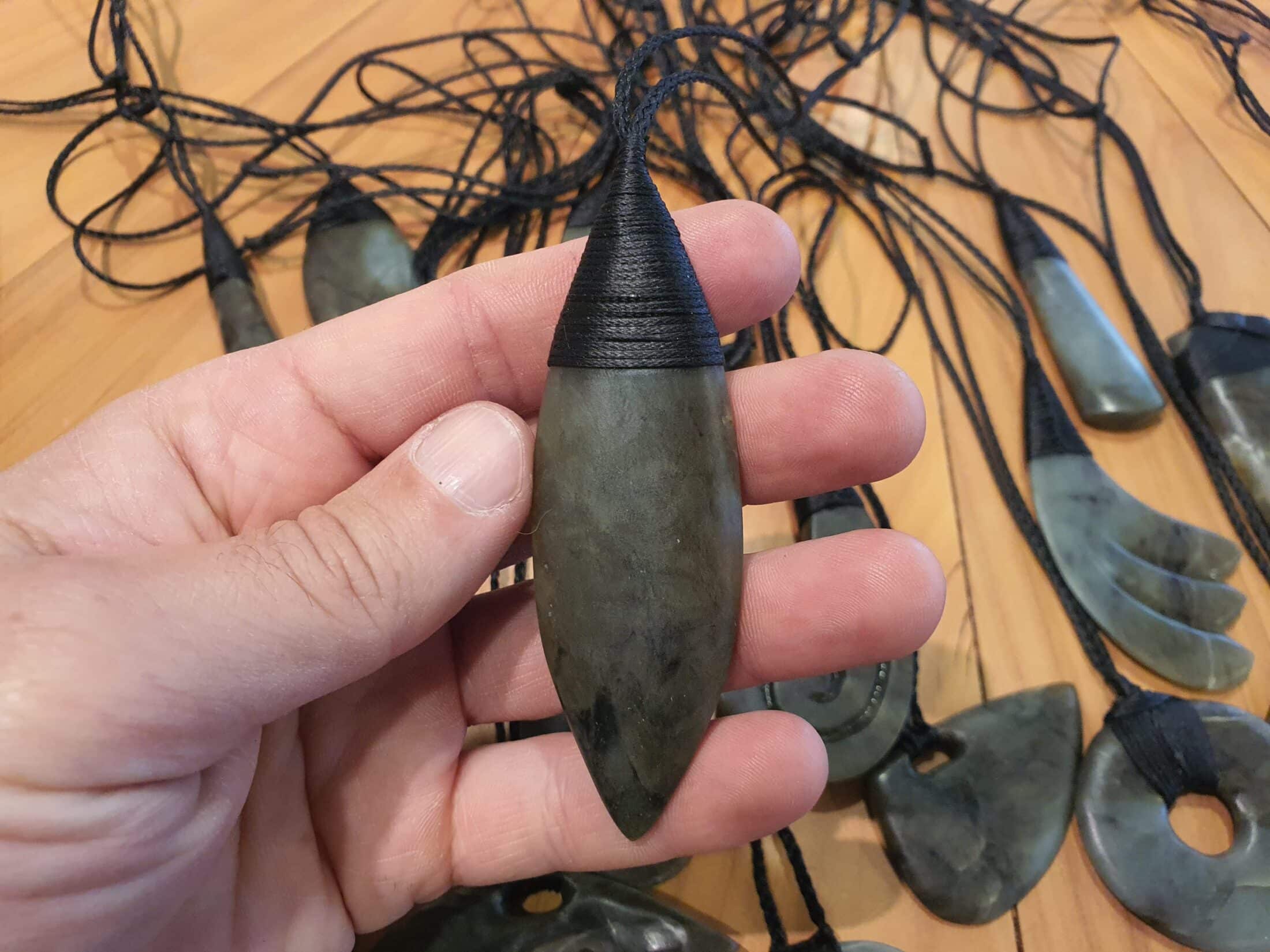
This represents the concept of journey. Life is a journey and we are constantly making progress in various directions on our own journey. This piece is to remind us to enjoy the journey, not to get caught up in the destination.
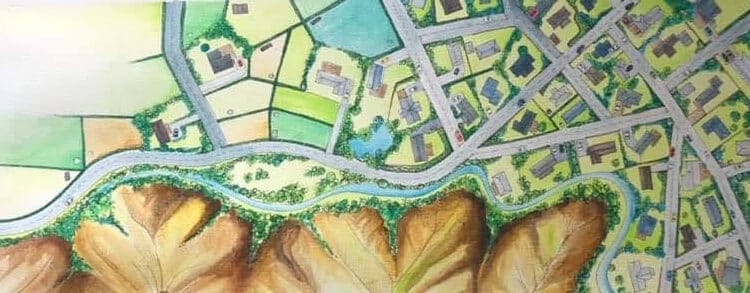
“Ka kite, we say as we leave the bay.” (Page 30/31)
Similar Posts

  • |

    Piwakawaka Rua

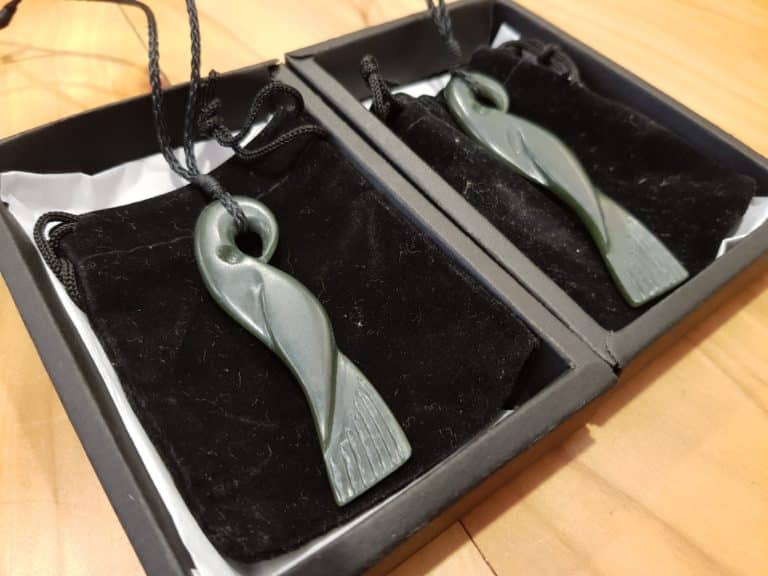
    This is a special story. These two taonga were made for two beautiful twin.  Their Grandmother contacted me with the commision.  She told me a story of two gorgeous twin babes born 12 weeks premature, they were lucky to survive.  Their first birthday was coming up and she wanted to gift them something to commemorate…

  • Te Rongo o te Wai

    I have named this taonga Te Rongo o te Wai, meaning the peace of the water. This name speaks to the calm and stillness that water can bring, and the role this piece is intended to play for its wearer. It was created as something to be held, turned over in the hands, and returned…

  • | |

    Whānau Kotahi

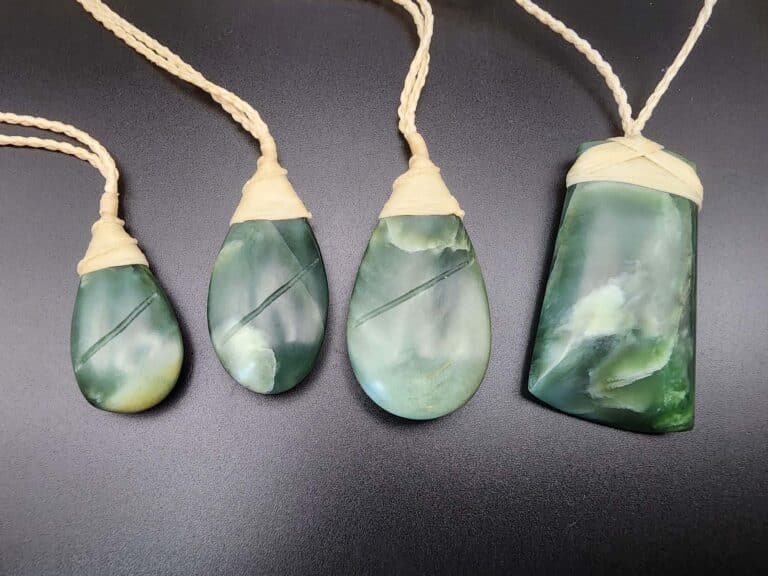
    Pounamu, also known as New Zealand greenstone, holds immense cultural significance for the Maori people. It’s a vessel of stories, emotions, and traditions that span generations. The “Whānau Kotahi” set, which translates to “Unified Family”, is a beautiful embodiment of this sentiment. This particular set of four pendants, carved for a family of four –…

  • | |

    Ngā Taonga Tūhono

    In the embrace of the West Coast’s wild beauty, the Arahura River carves its way through the land, nurturing the Kawa Kawa Pounamu with its pure waters. It is here we find Ngā Taonga Tūhono, “Treasures that Connect”, a set of pendants that embodies the convergence of Māori and Gaelic kaupapa within its carved forms….