Ngā Manawa E Toru

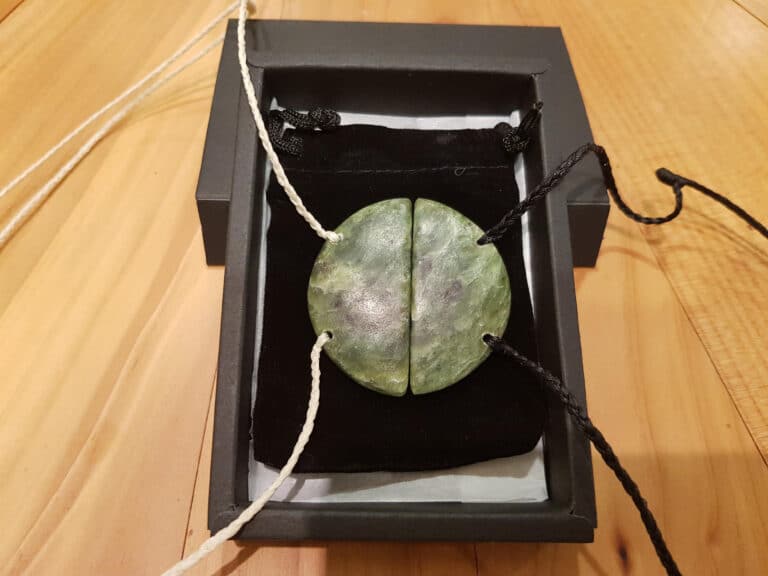
Ngā Manawa E Toru translates to “the three hearts.” This name was chosen to reflect three lives bound together by aroha, not as separate paths, but as one shared journey. It speaks to connection, protection, and the way love continues forward, even through loss.
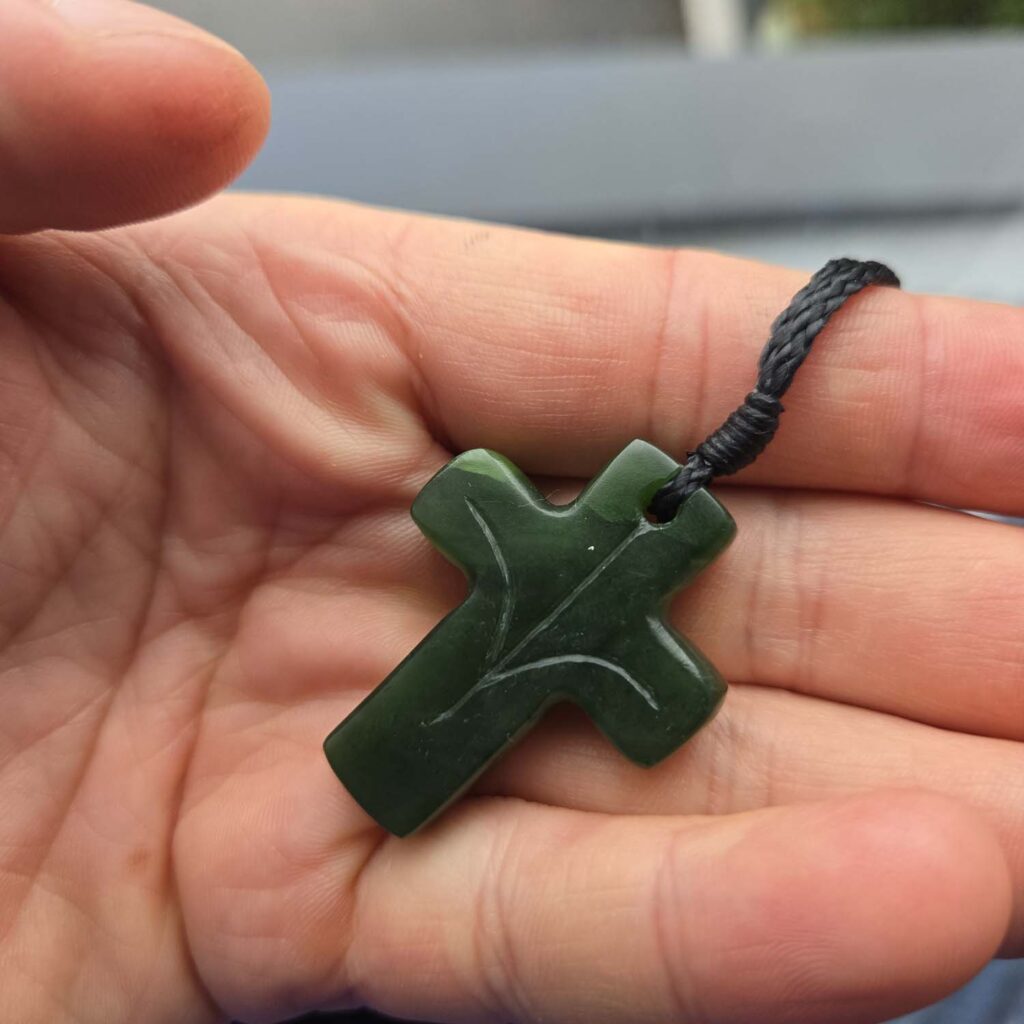
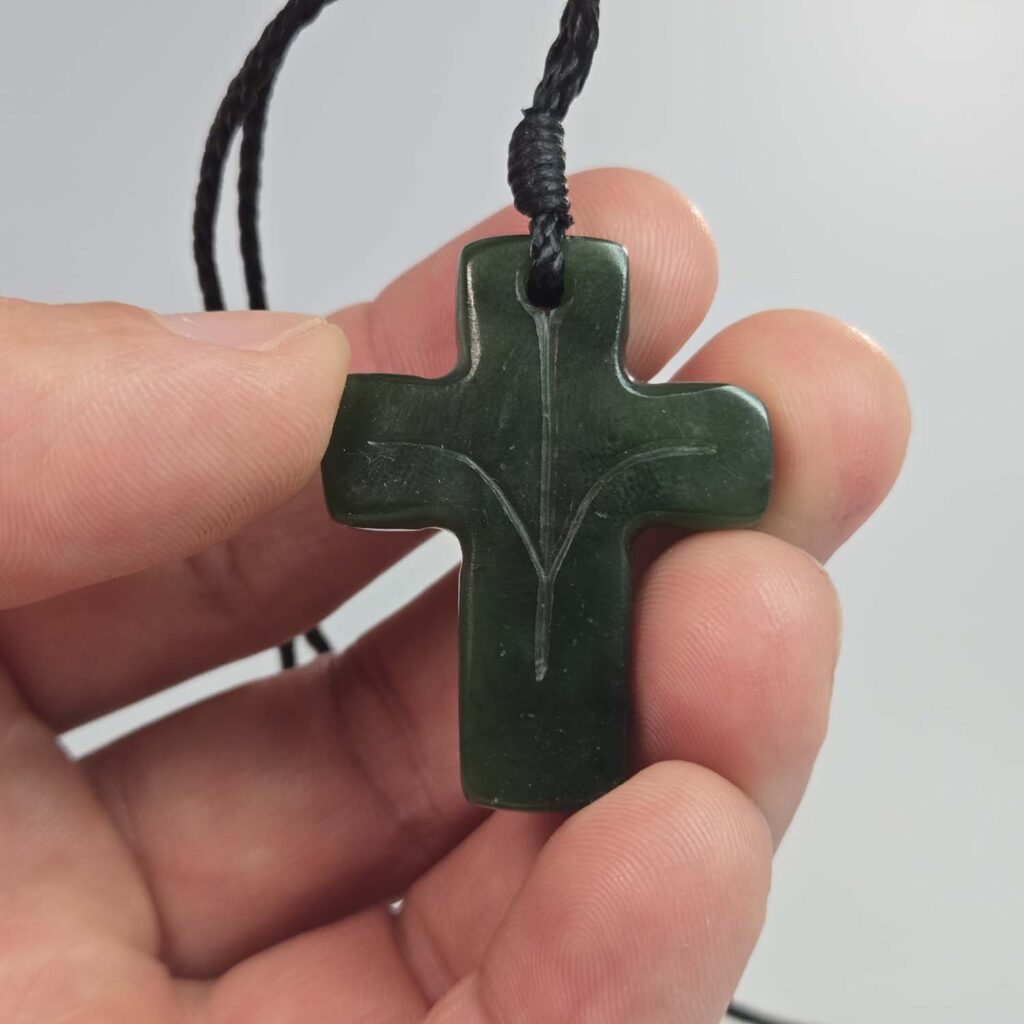
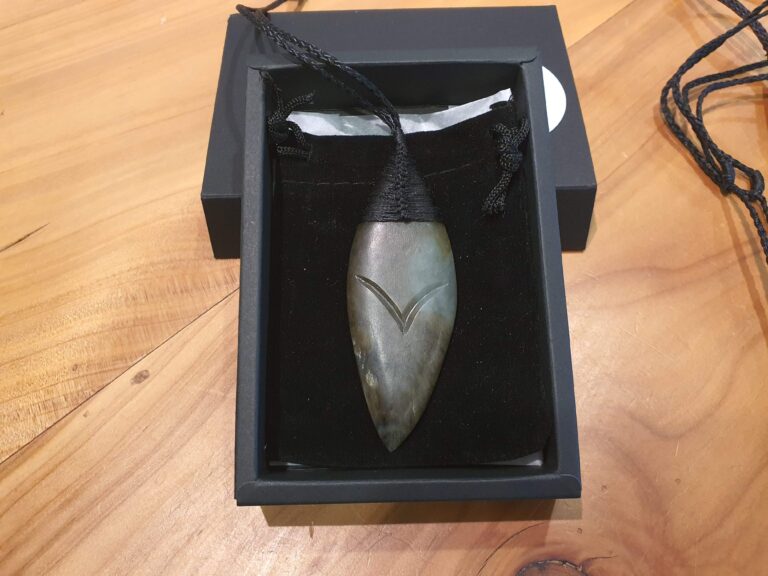
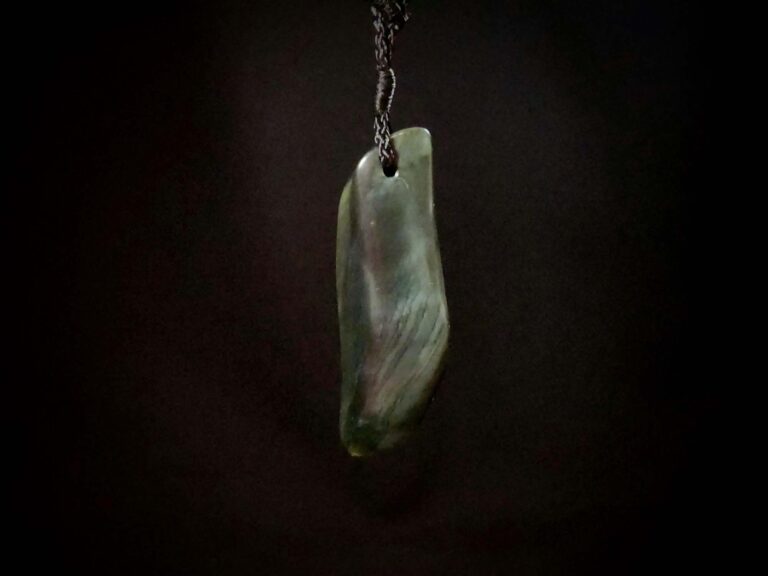
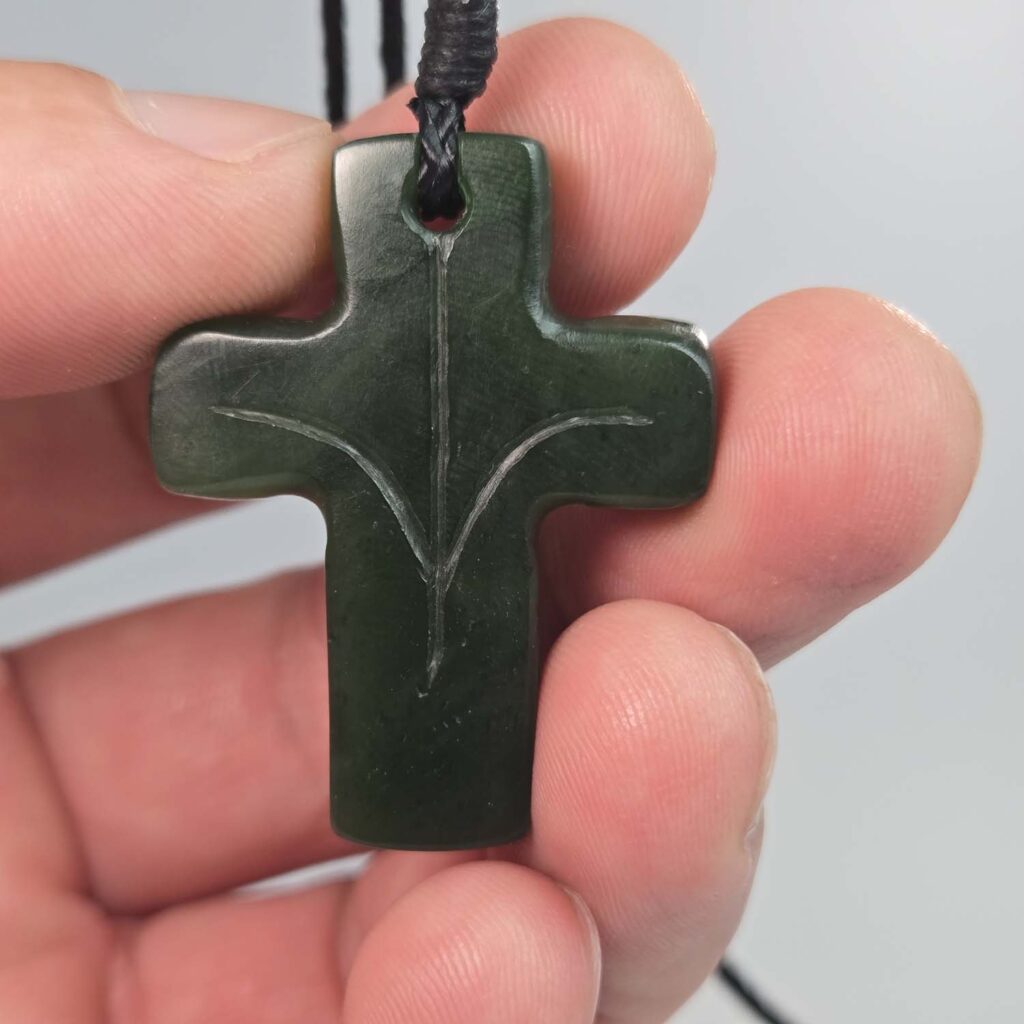
This taonga is carved from Pounamu and stands 4cm high. Its form is defined by three gently curved lines on each face, mirrored front and back. The lines flow downward and meet toward the base, visually drawing separate elements into a single path. The shape is simple, balanced, and intentional, allowing the meaning to sit quietly within the form rather than being overstated.
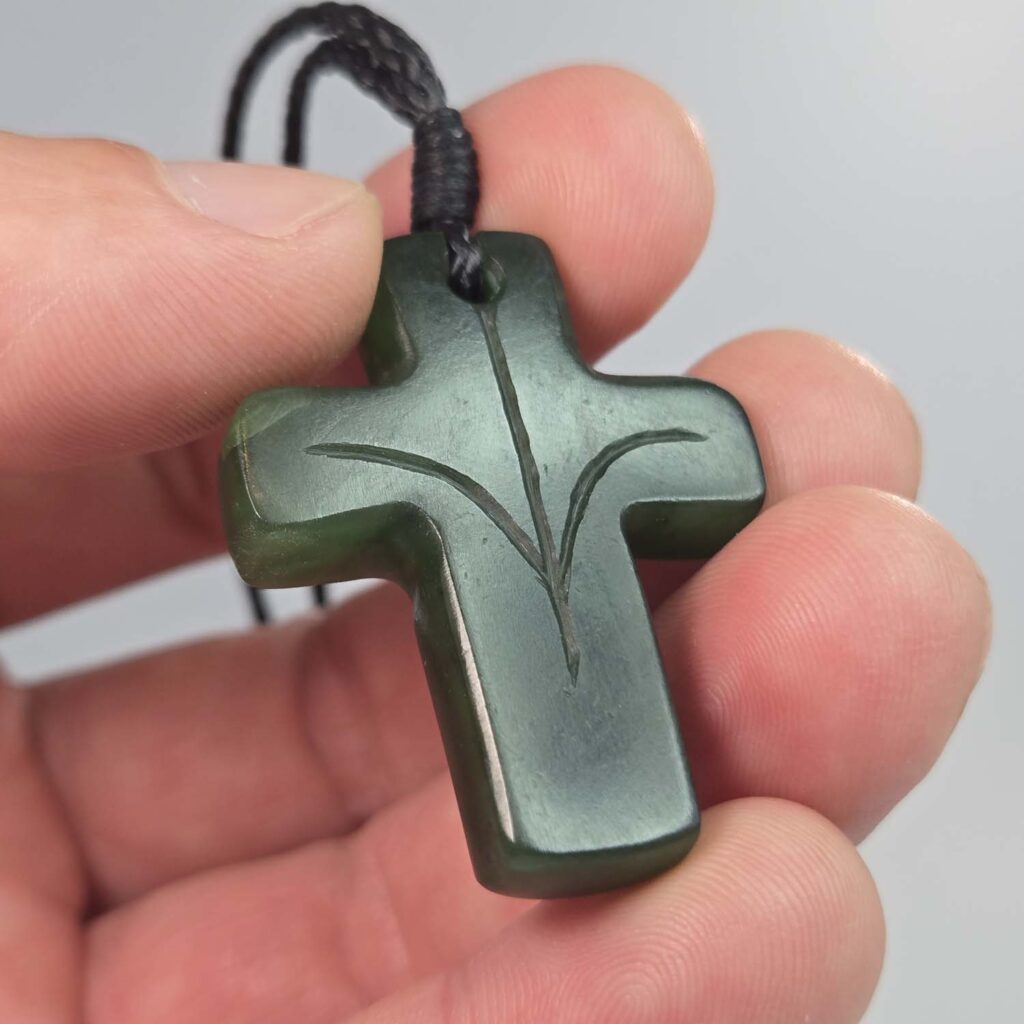
The three lines hold layered meaning. They represent three hearts joined together as one, but they also reference the growth of harakeke. In a harakeke plant, the outer leaves protect the inner rito, ensuring continuity and survival. This symbolism speaks to whānau, guardianship, and the responsibility of care — the idea that life is strengthened through protection and unity.
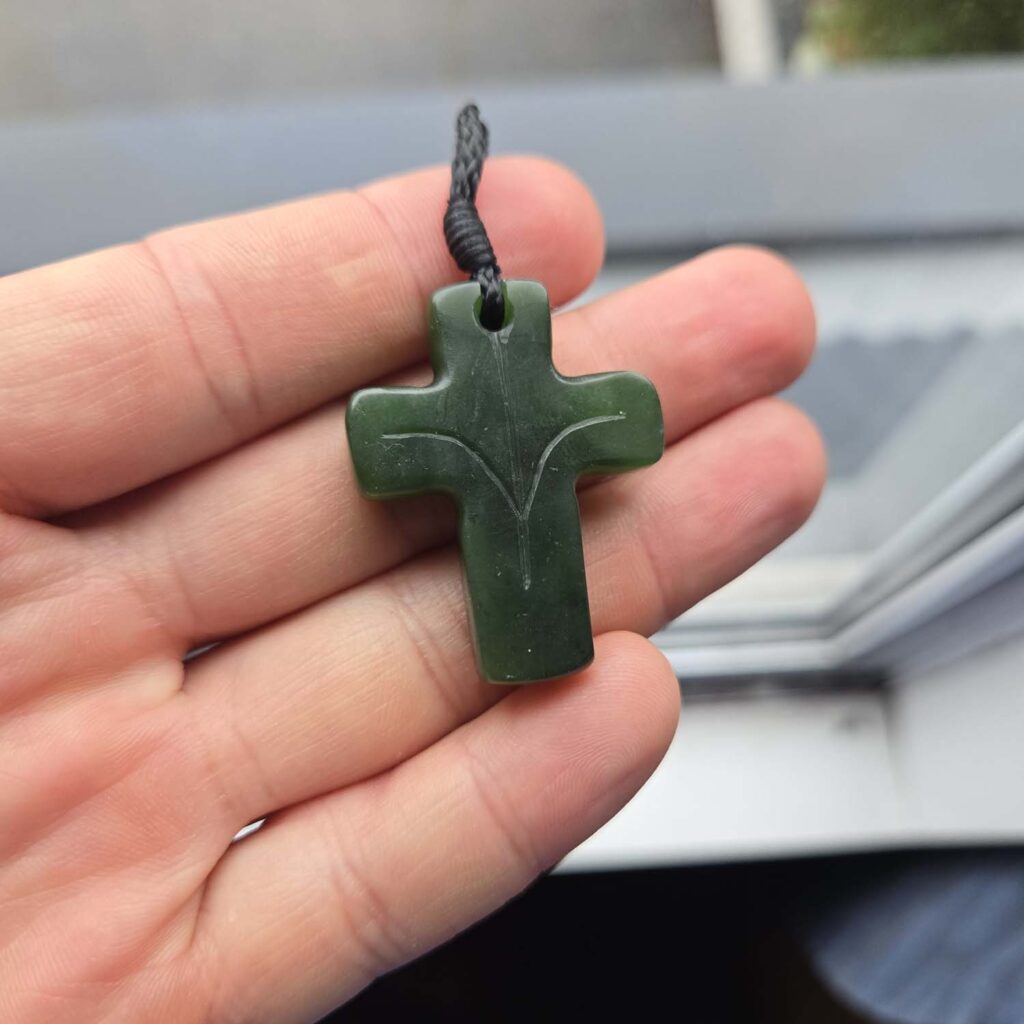
This taonga was commissioned as a piece of remembrance and love, created for a child to carry a connection to those who came before him. The personal story behind it is held gently within the stone, without needing to be told in full. What matters is the kaupapa: love that does not disappear, lives that remain connected, and a future shaped by care and protection.

Carving Ngā Manawa E Toru was a reminder of why Pounamu holds such depth as a taonga. It allows complex emotions — grief, love, faith, and hope — to be expressed through form and material. This piece sits as a quiet anchor, close to the heart, holding three lives together in one enduring presence.
Similar Posts

  • Awa Rua – Hoe Waka

    This piece is named Awa Rua, meaning two rivers. It symbolises connection — two paths that begin together and then flow in their own directions, always remaining linked by their source. The form of the Hoe, a waka paddle, carries the energy of movement and purpose, guiding us forward through life. Carved into it is…

  • |

    Te Here Tohorā

    The set is named Te Here Tohorā — the binding of the whale — a name that speaks to a connection that holds firm beneath the surface, shaped by movement, distance, and time. This commission came from a place of long commitment, distance, and persistence. The father has spent many years doing everything he could…

  • Kawakawa Cross

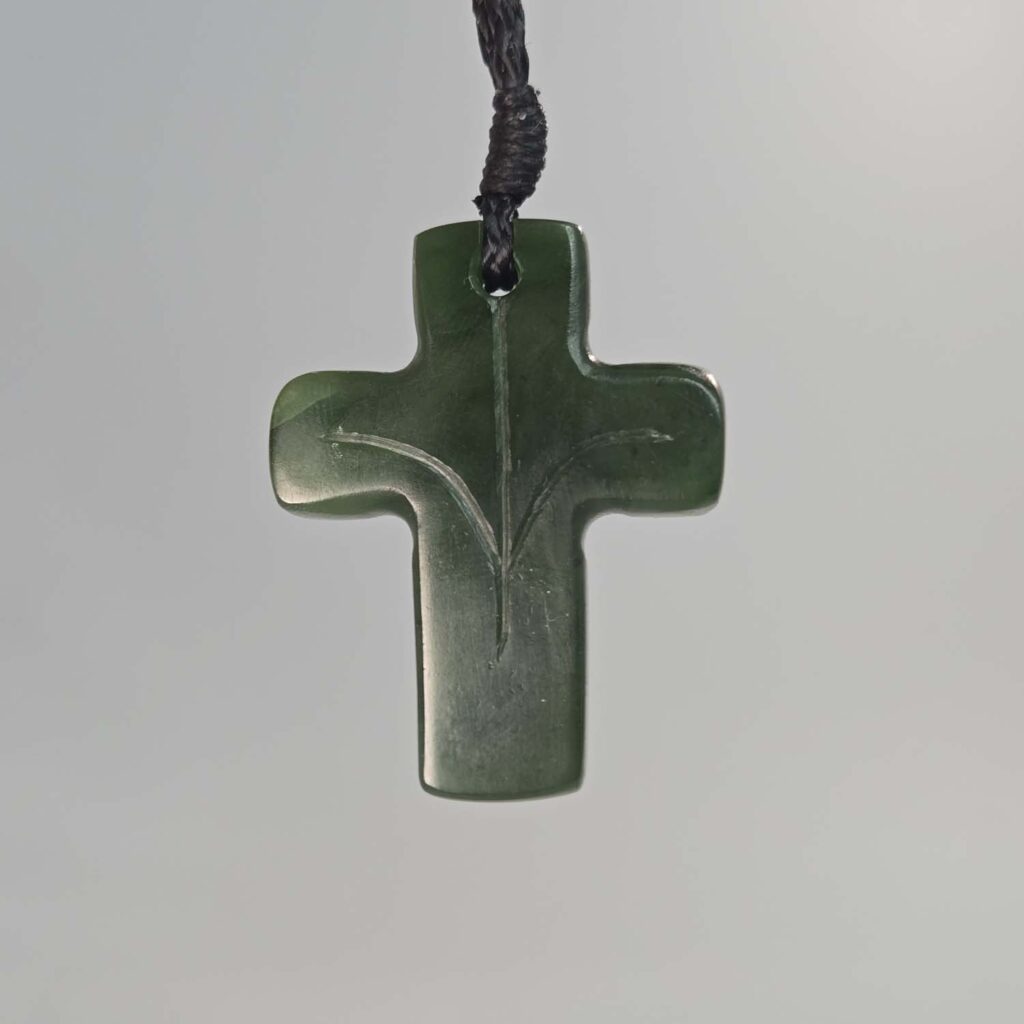
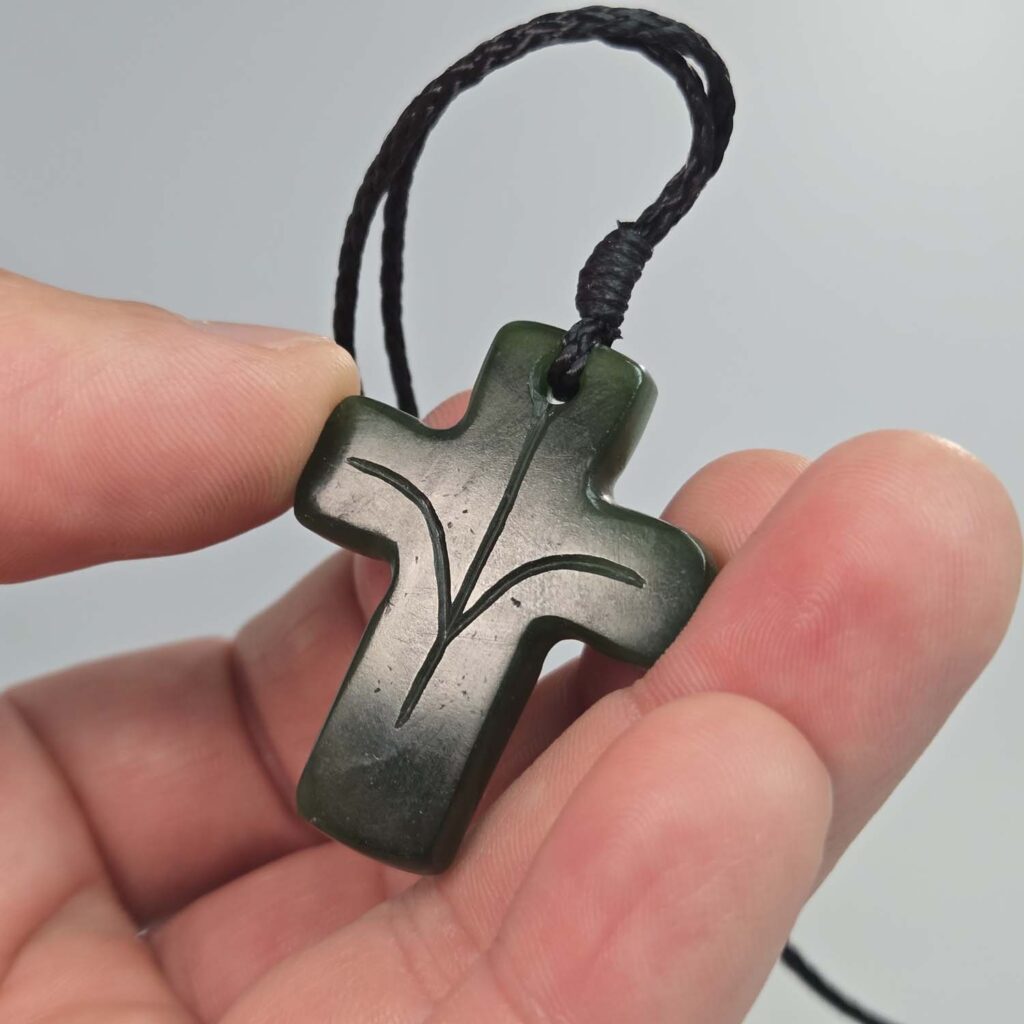
    Pounamu, the treasured greenstone of New Zealand, holds deep spiritual and cultural significance. When carved into a cross, a timeless symbol of faith and spirituality, its power and beauty take on an even greater depth. I’d like to share my latest creation, a beautiful cross pendant carved from a rich, deep block of kawakawa pounamu….

  • | |

    Mere – Te Whakamana

    This is the first full-sized mere I’ve ever carved—a taonga that holds real weight, in every sense. At 36cm long and 12cm wide, this is a substantial and commanding piece. Made from deep green Kawakawa Pounamu from the Hokitika region, it is large, solid, and purposeful—carved to reflect both strength and dignity.—a taonga that holds…

  • |

    Toki Raranga Weaving

    This is a combination of a toki form with a pattern to represent the weaving or raranga of harakeke/flax. Raranga can represent many things. It represents a variety of facets being woven together to create something more than the individual parts. In this way it can be used to represent a whanau, or community, or…