Te Whai Kaitiaki
Te Whai Kaitiaki means The Guardian Ray. I chose this name because the whai carries a quiet but powerful presence. In te ao Māori, the stingray is often seen as a kaitiaki — a guardian and protector who moves calmly beneath the surface, aware of its surroundings and ready to defend when needed. It does not seek conflict, but it is not vulnerable. Its strength lies in patience, awareness, and its ability to shelter and protect. This taonga speaks to that kind of strength — the steady protector who watches over whānau and stands firm when it matters.
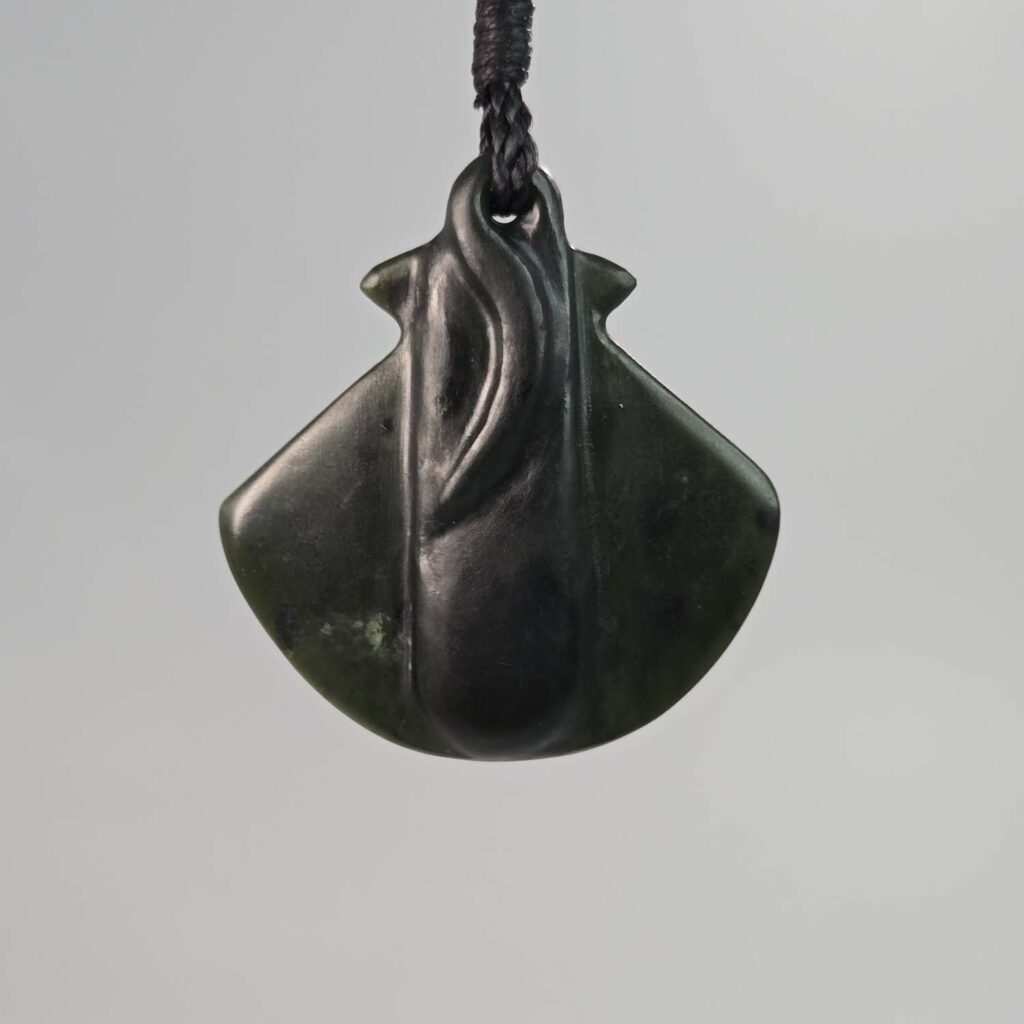
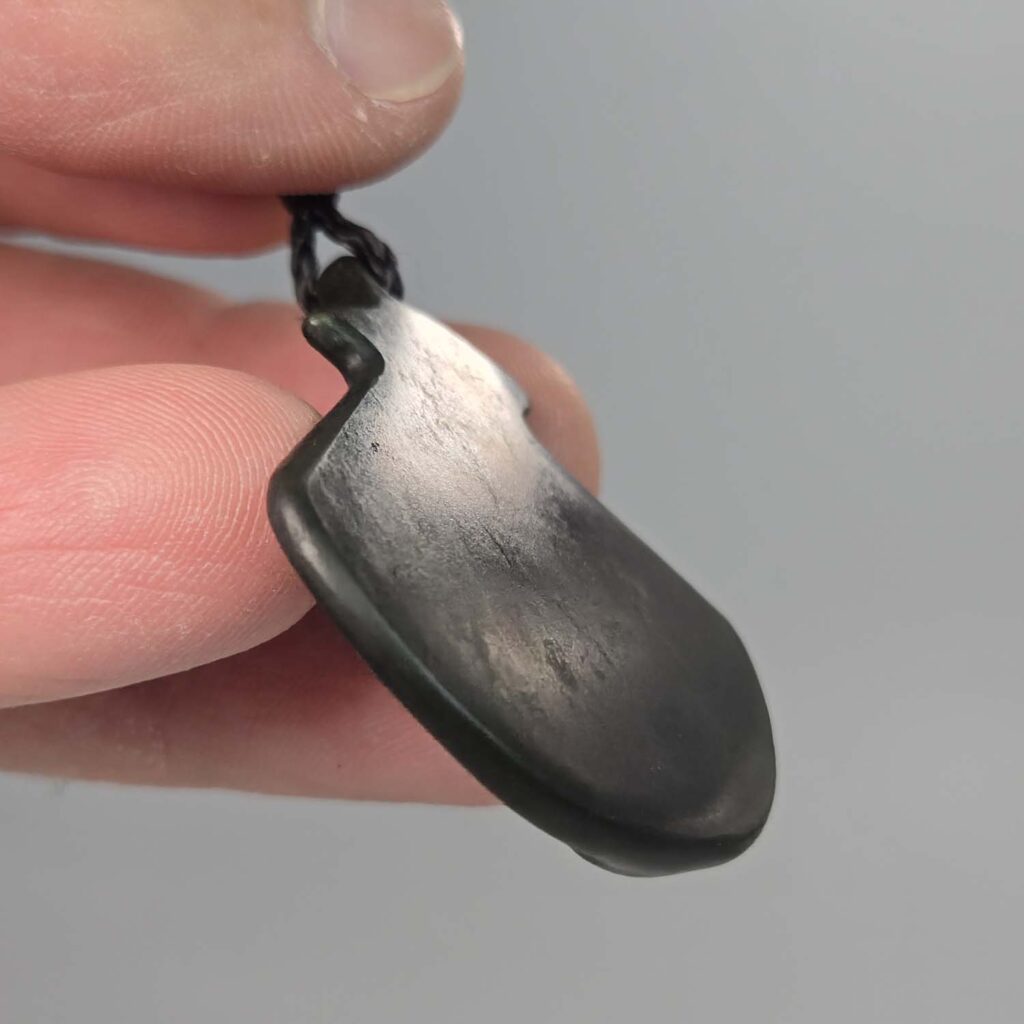
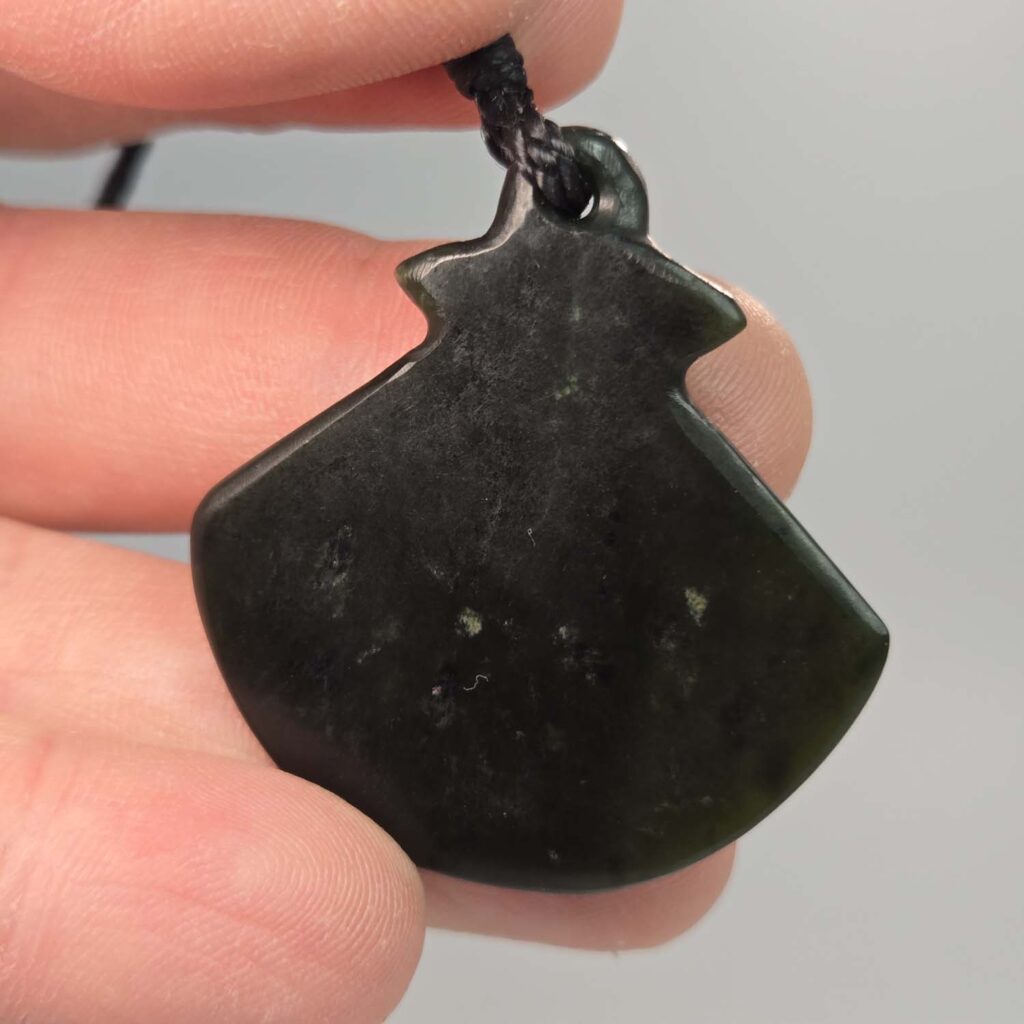
I carved this whai from a deep green Kawakawa Pounamu. The stone has a richness to it, with dark inclusions that give it depth and character. When held up to the light, the wings glow. You can see right into them, revealing the translucency that Kawakawa can hold when it is cut and shaped with care. The body remains solid and grounded, while the wings carry light through them.
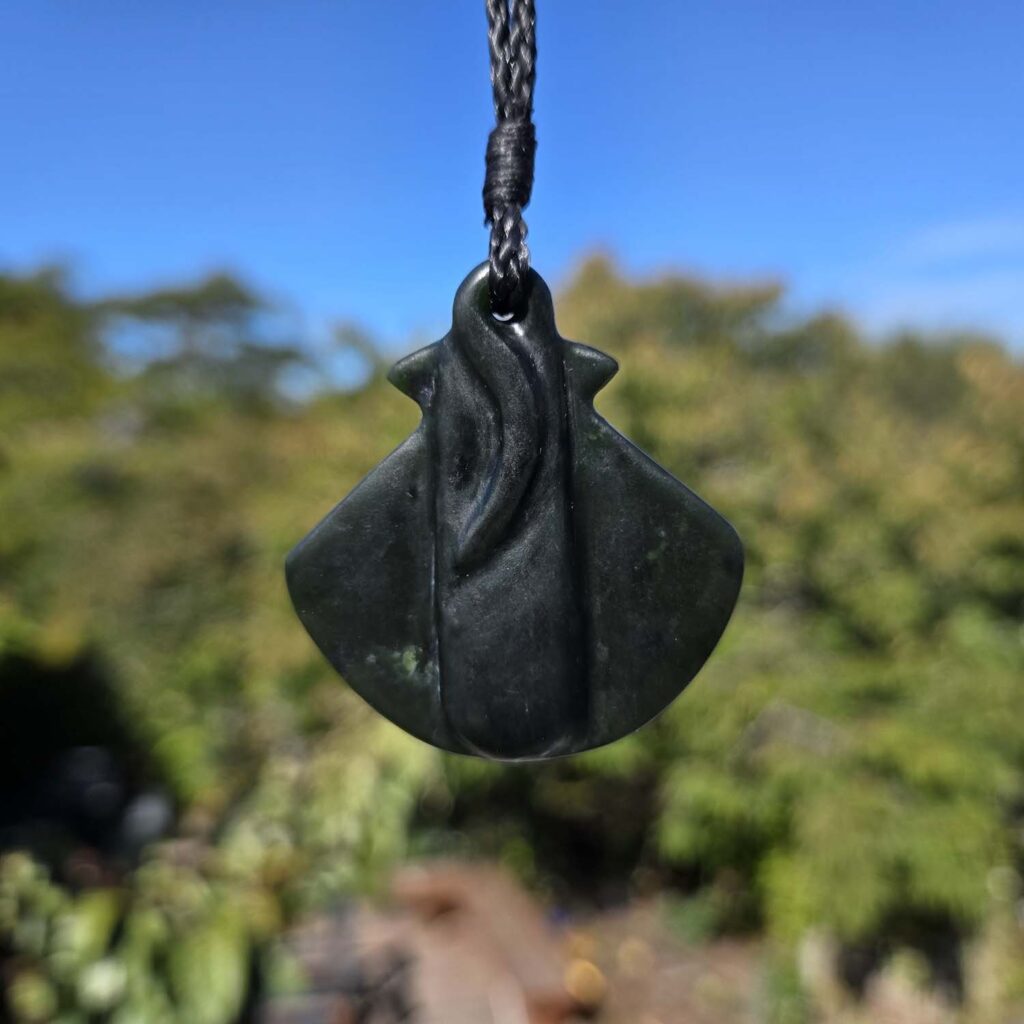
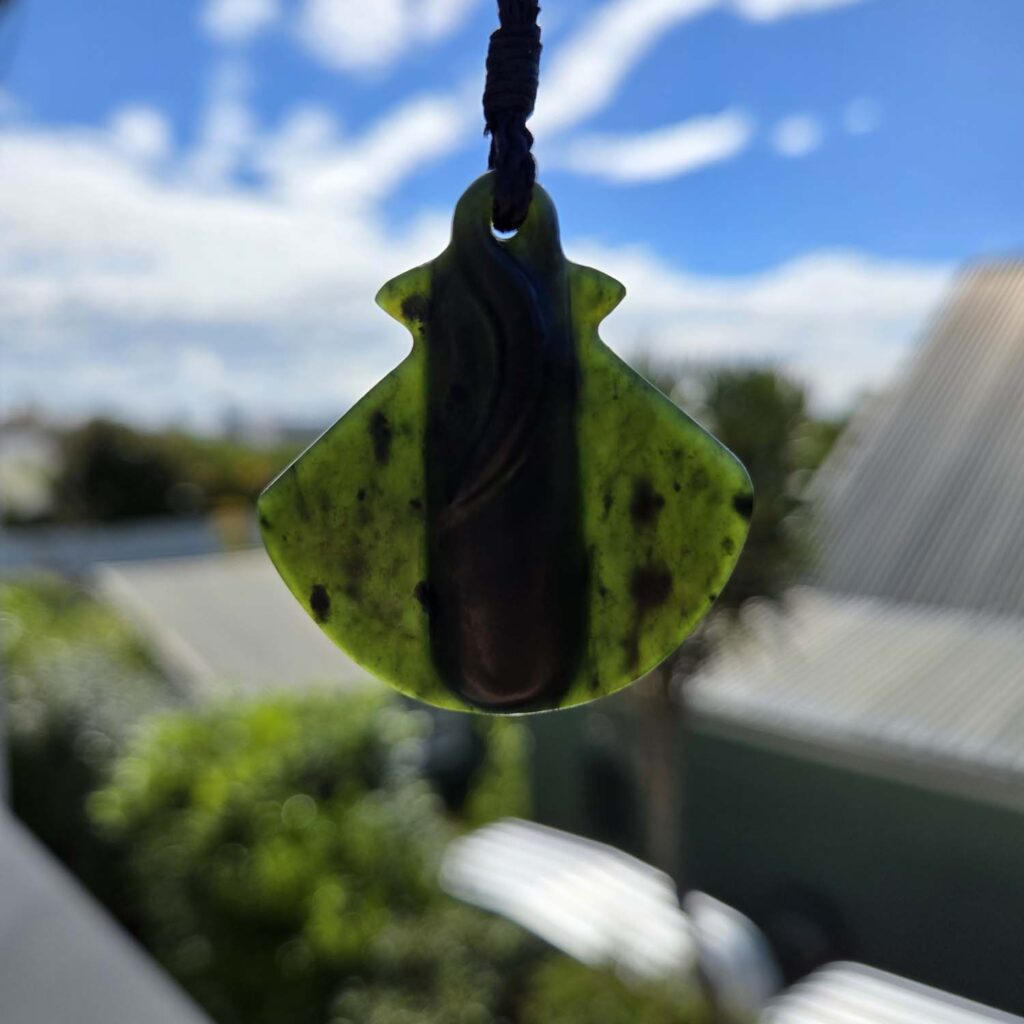
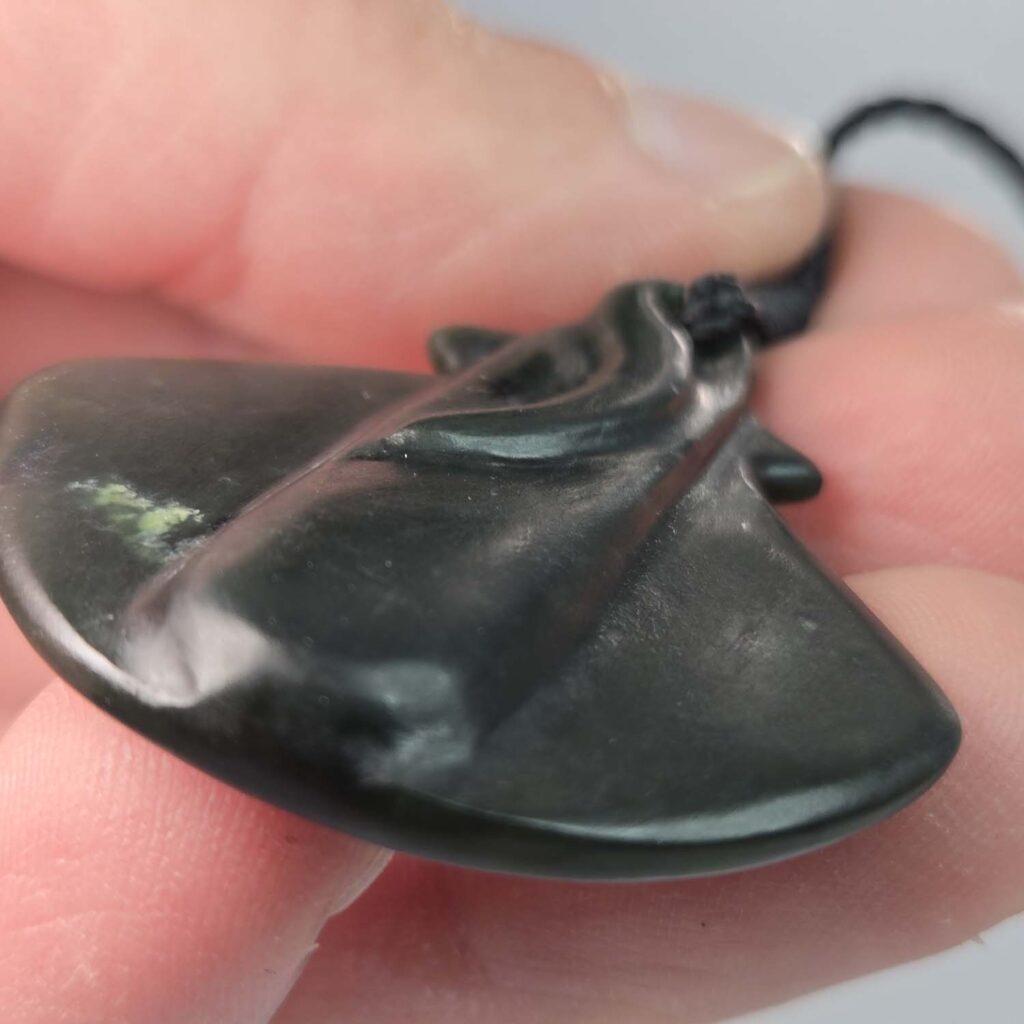
The form is 40mm long, compact yet strong in presence. The wings sweep outward in a smooth curve, giving the piece movement and life. The tail loops around and back over the body, and the taonga is suspended from that tail. This creates a natural flow through the piece, as if the ray is gliding through water. The looping tail also reinforces the idea of protection — encircling and guarding what sits within its reach.
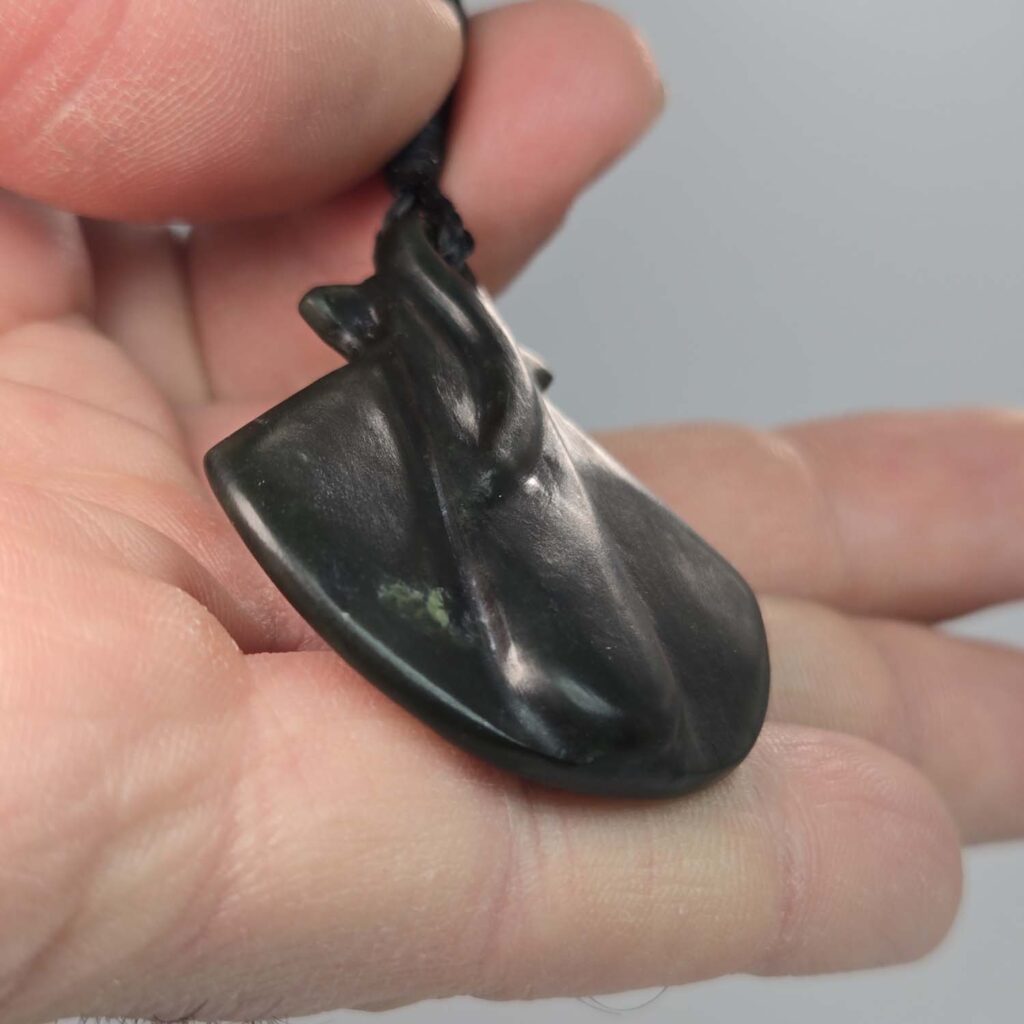
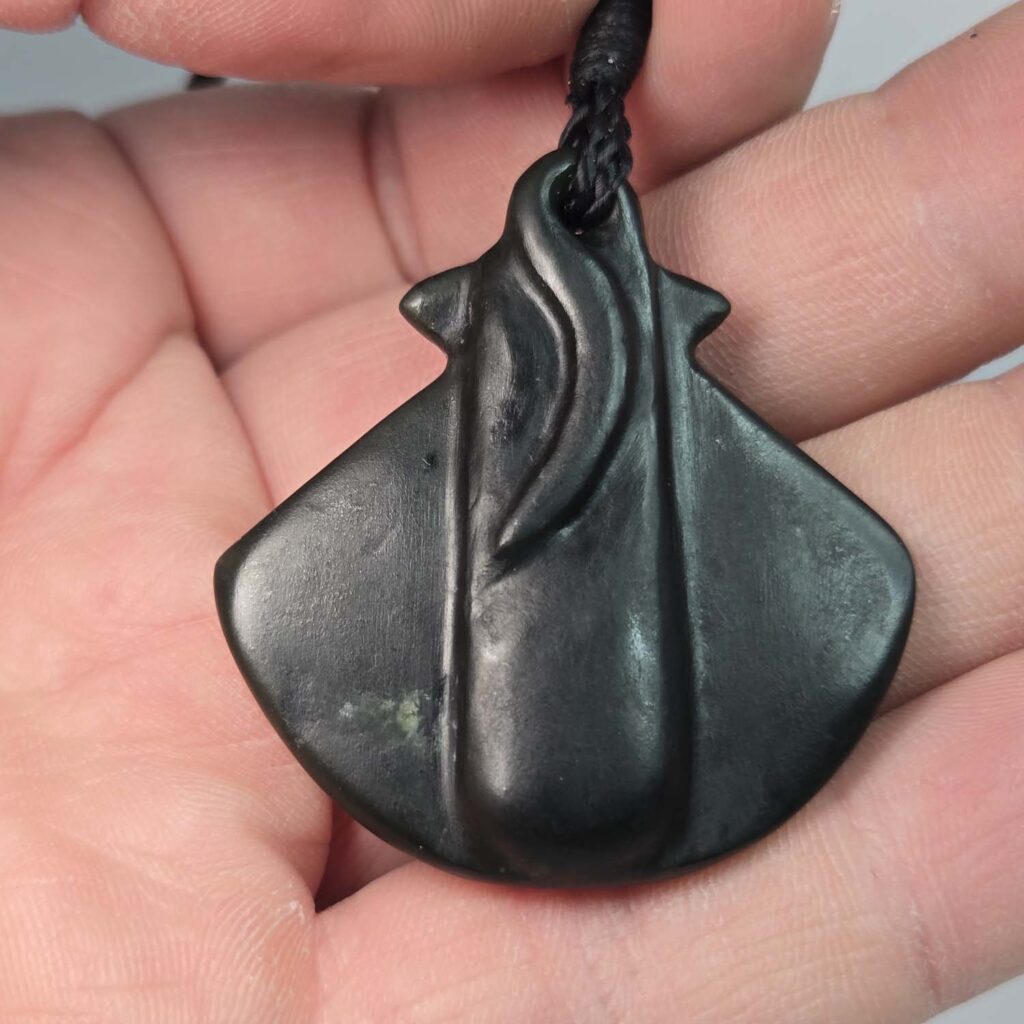
The whai as a kaitiaki symbolises protection, guidance, and guardianship. It represents someone who shields others, who carries responsibility with calmness rather than force. It reminds the wearer to move with intention, to be aware of their surroundings, and to protect what is important to them — their values, their people, and their path.
Carving this piece was about balance — allowing the wings to feel light and alive while keeping the body strong and grounded. There is something satisfying about shaping a form that feels both gentle and powerful at the same time.