Te Koru Ora
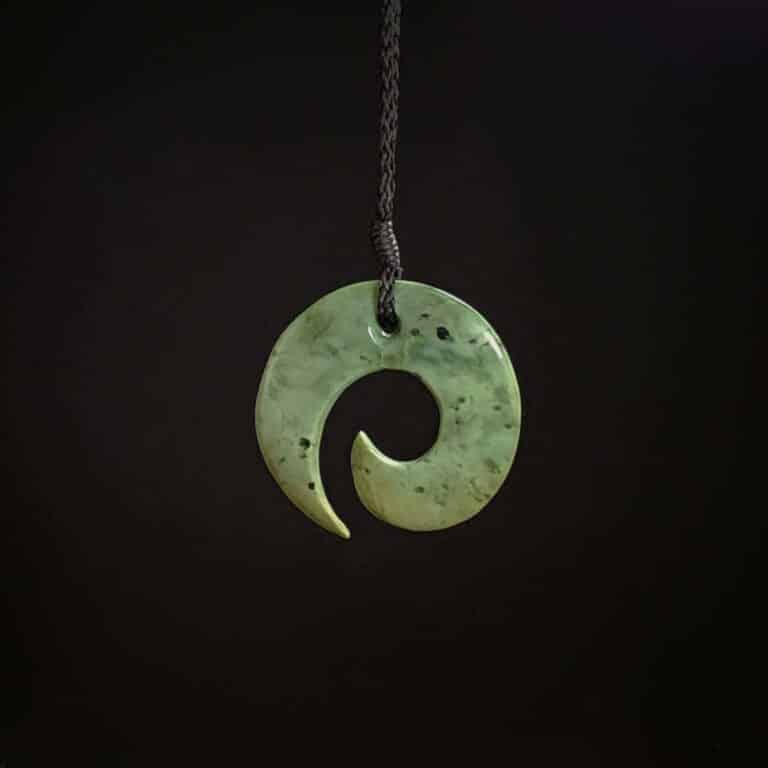
Te Koru Ora translates to “The Living Koru” or “The Koru of Life.” The name reflects the kaupapa behind this commission — growth, renewal, and the continuation of life through changing seasons. This taonga was carved to reconnect with a piece of Pounamu that had carried decades of meaning, memories, and connection to Aotearoa.
The original koru had been found during a honeymoon journey through New Zealand many years ago while the wearer was pregnant with her daughter. Over time it became deeply tied to family, love, movement through life, and the memories attached to that chapter. After the original taonga shattered, it was repaired and worn again, but the feeling of the piece had changed. Part of this commission was about restoring that sense of flow and openness that had originally drawn her to the koru.
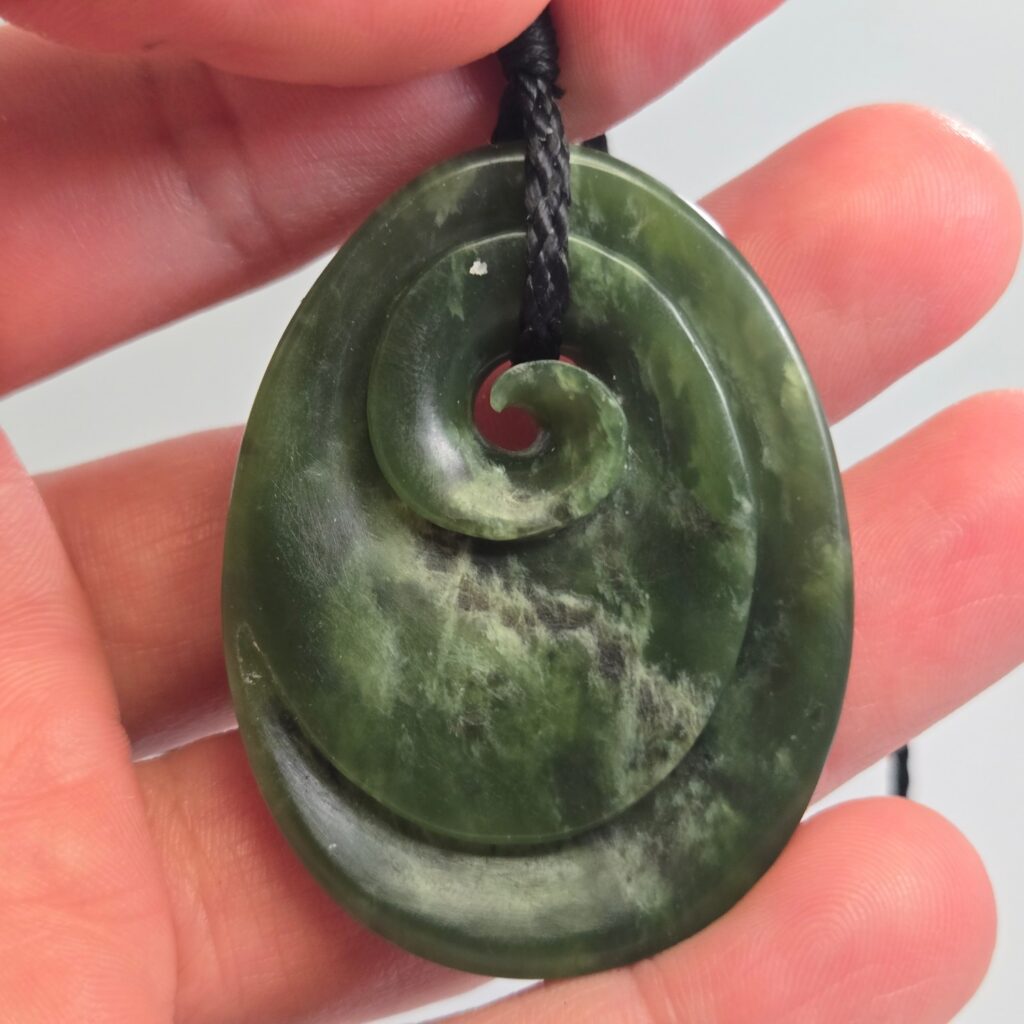
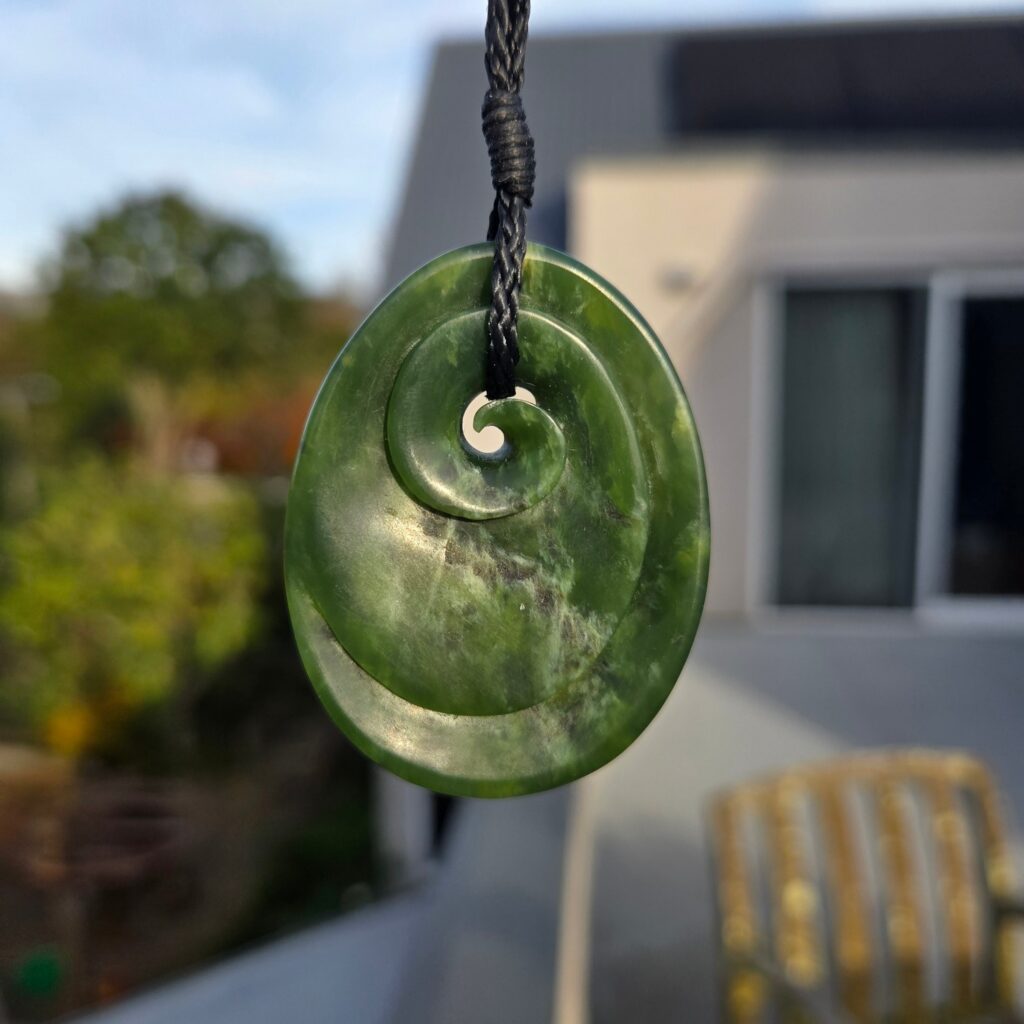
One of the strongest themes throughout the kōrero around this taonga was the repeating presence of circles and spirals through life. Running, cycling, golf, the unfolding koru, and even important family milestones all connected back naturally to that shape. The koru became a symbol not only of new beginnings, but of life continuing forward, carrying both joy and loss together as part of the same journey.
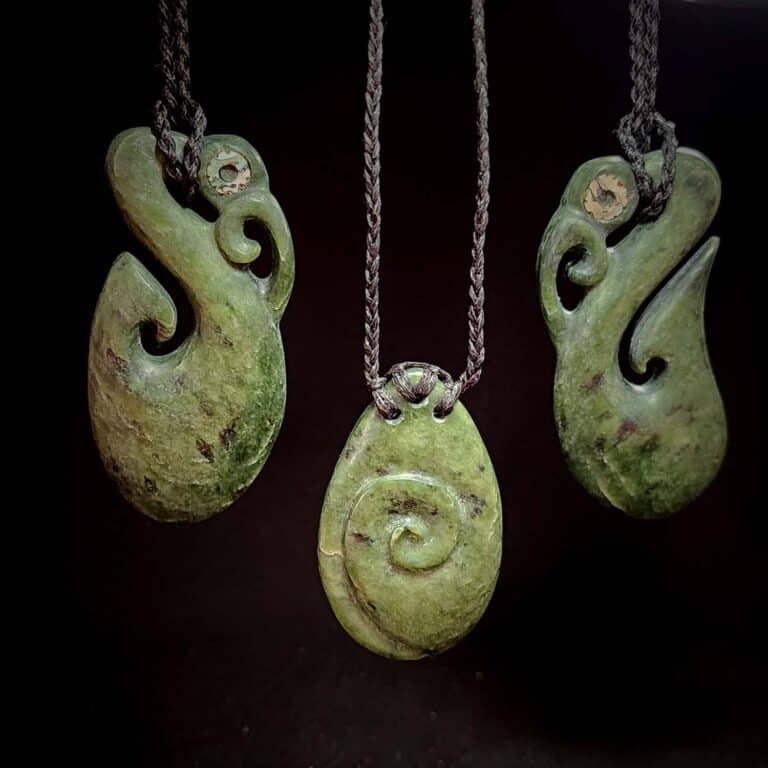
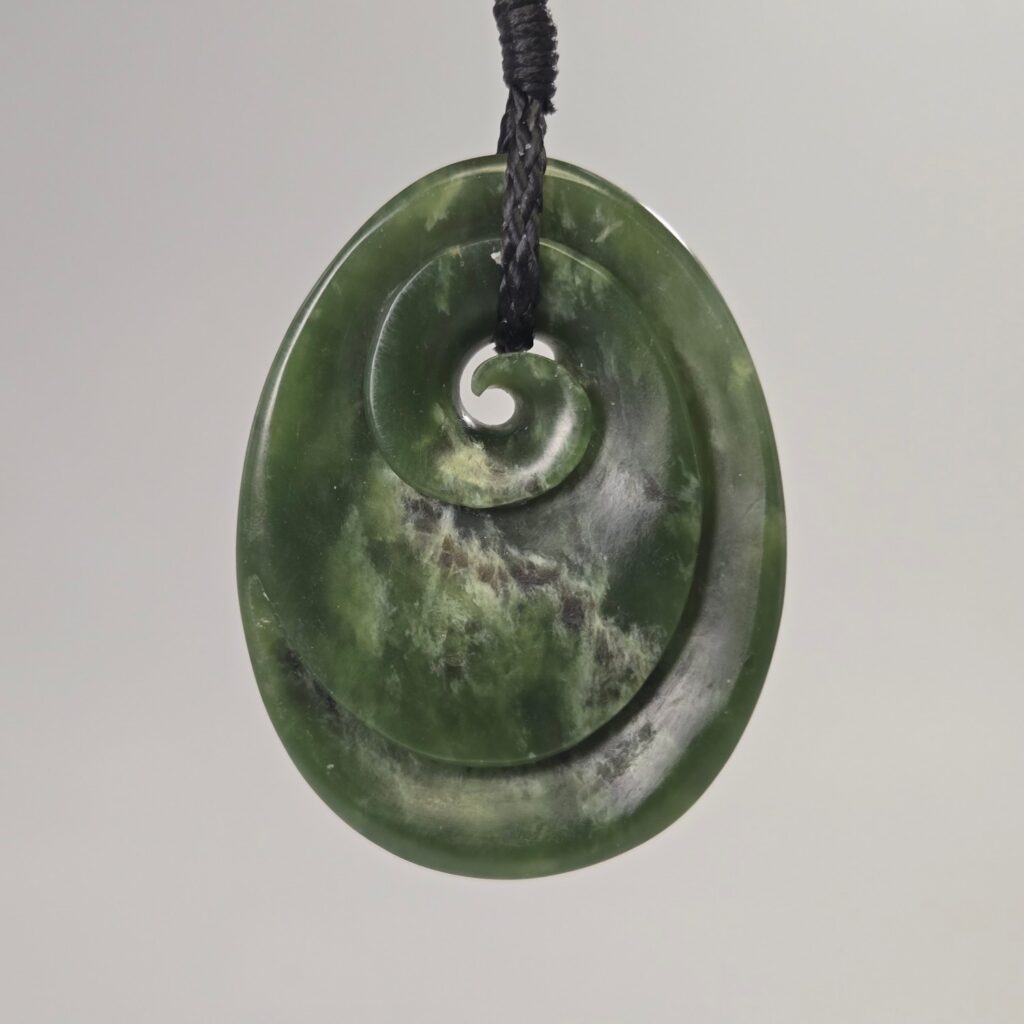
Because of that, simplicity became really important in the design. The suspension passes directly through the koru itself rather than through a separate drilled hole or heavy lashing. I wanted the carving to feel fluid and uninterrupted, with the cord and the form of the taonga working together naturally. The shape has a soft, organic āhua rather than rigid symmetry, which suited the story behind it.
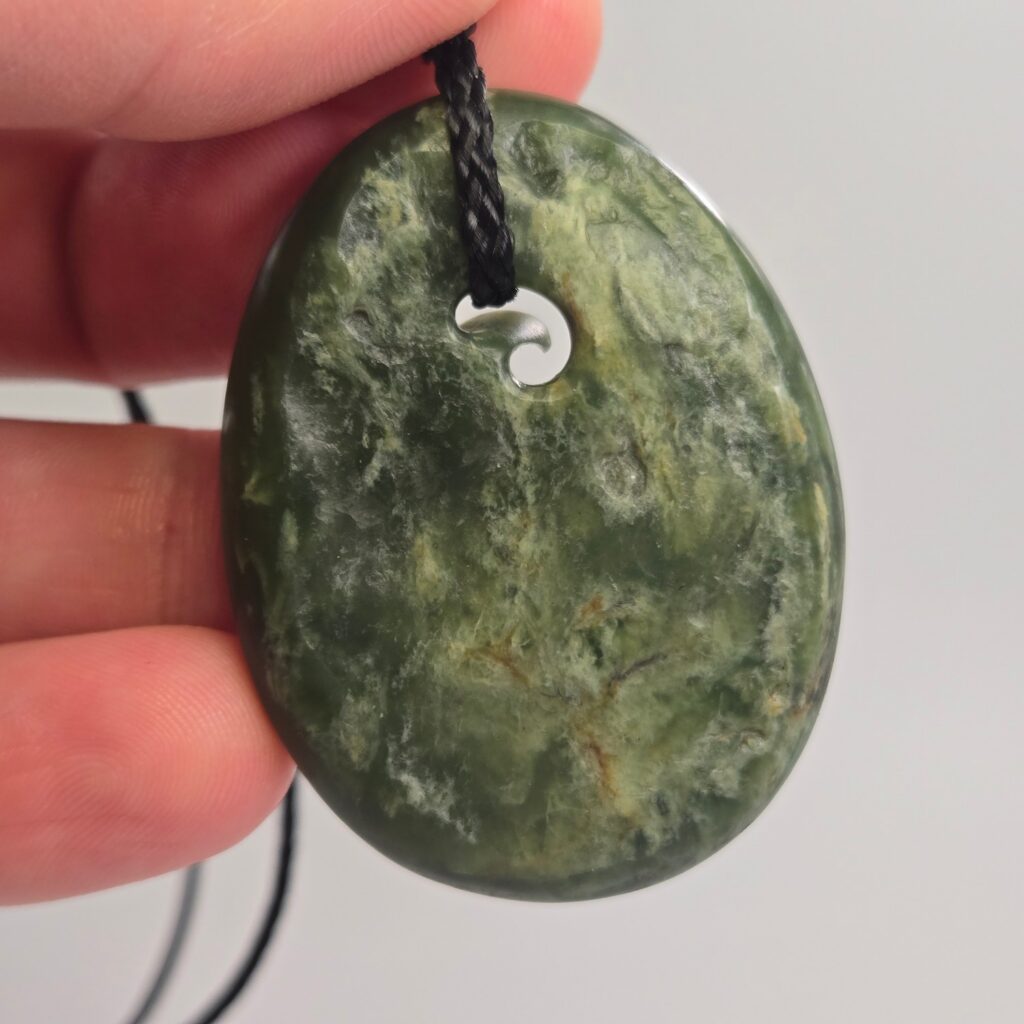
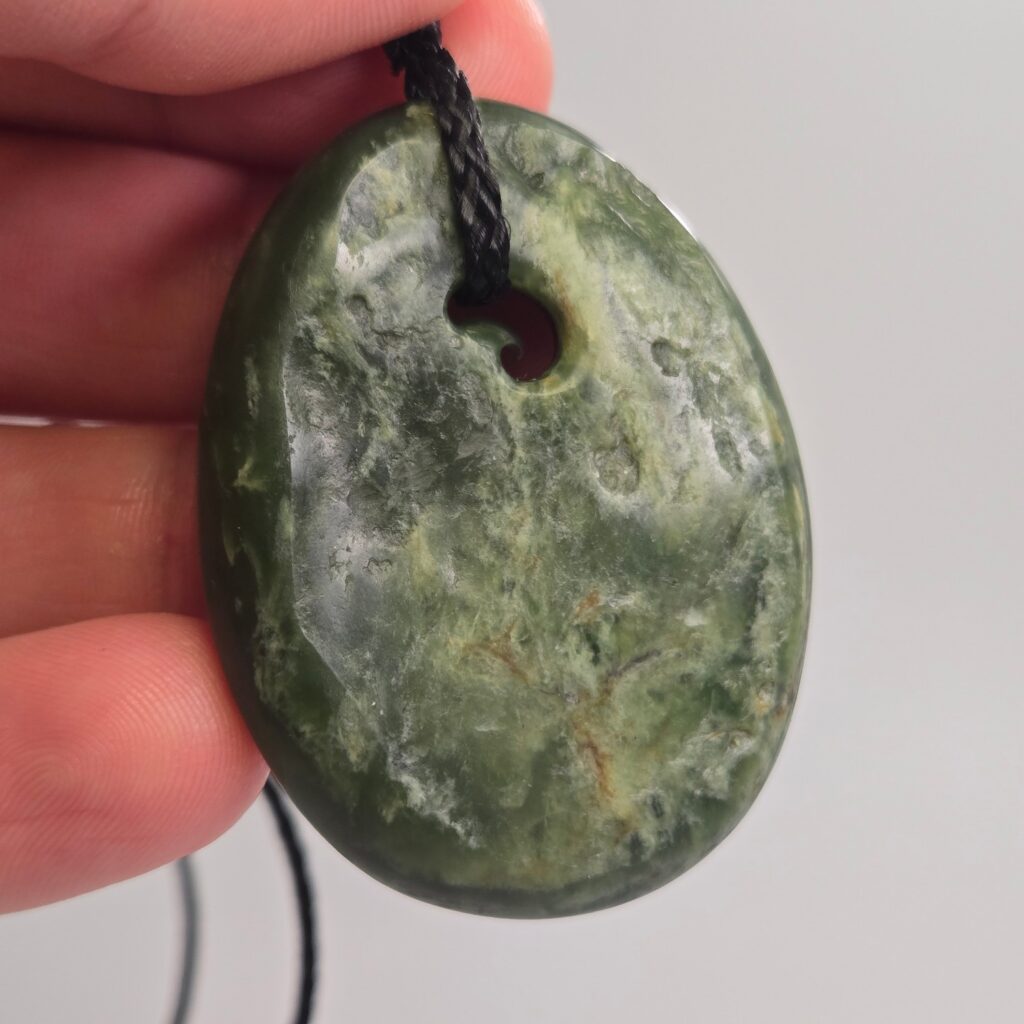
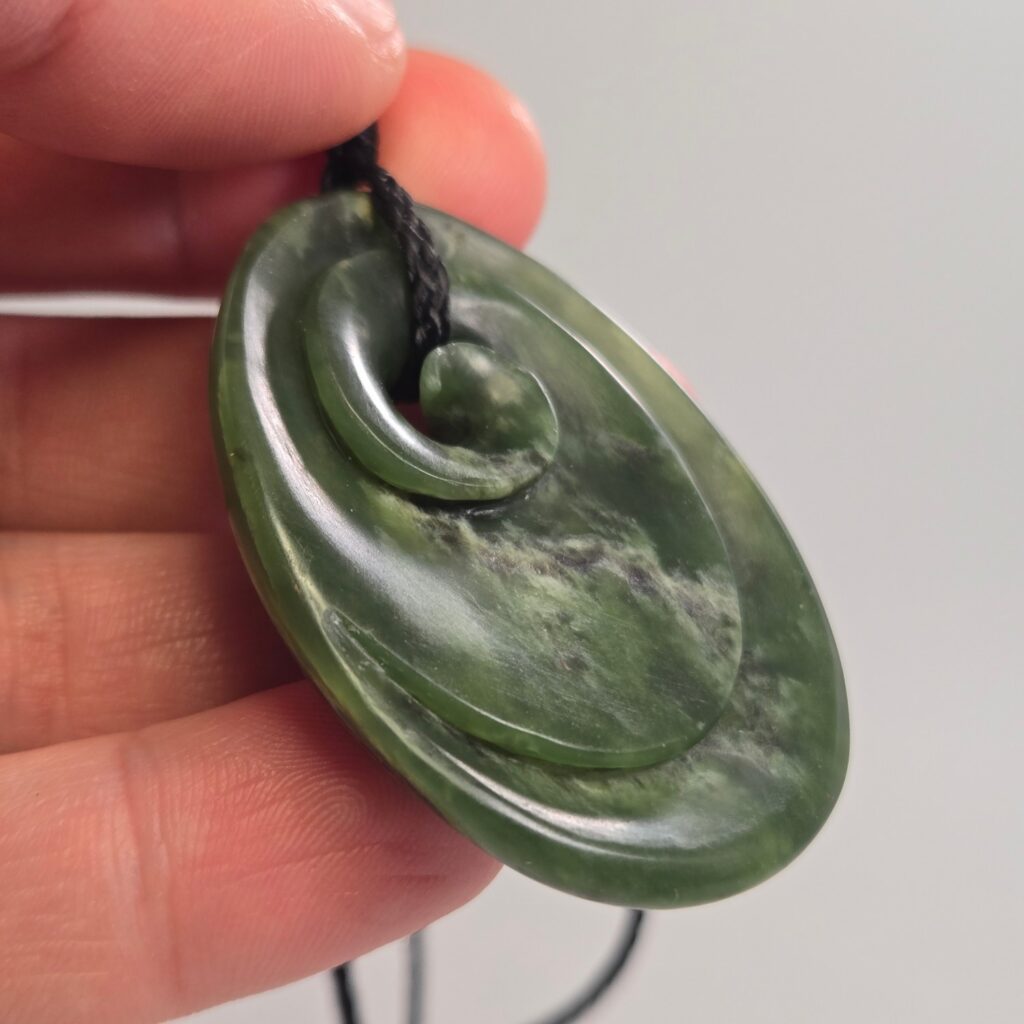
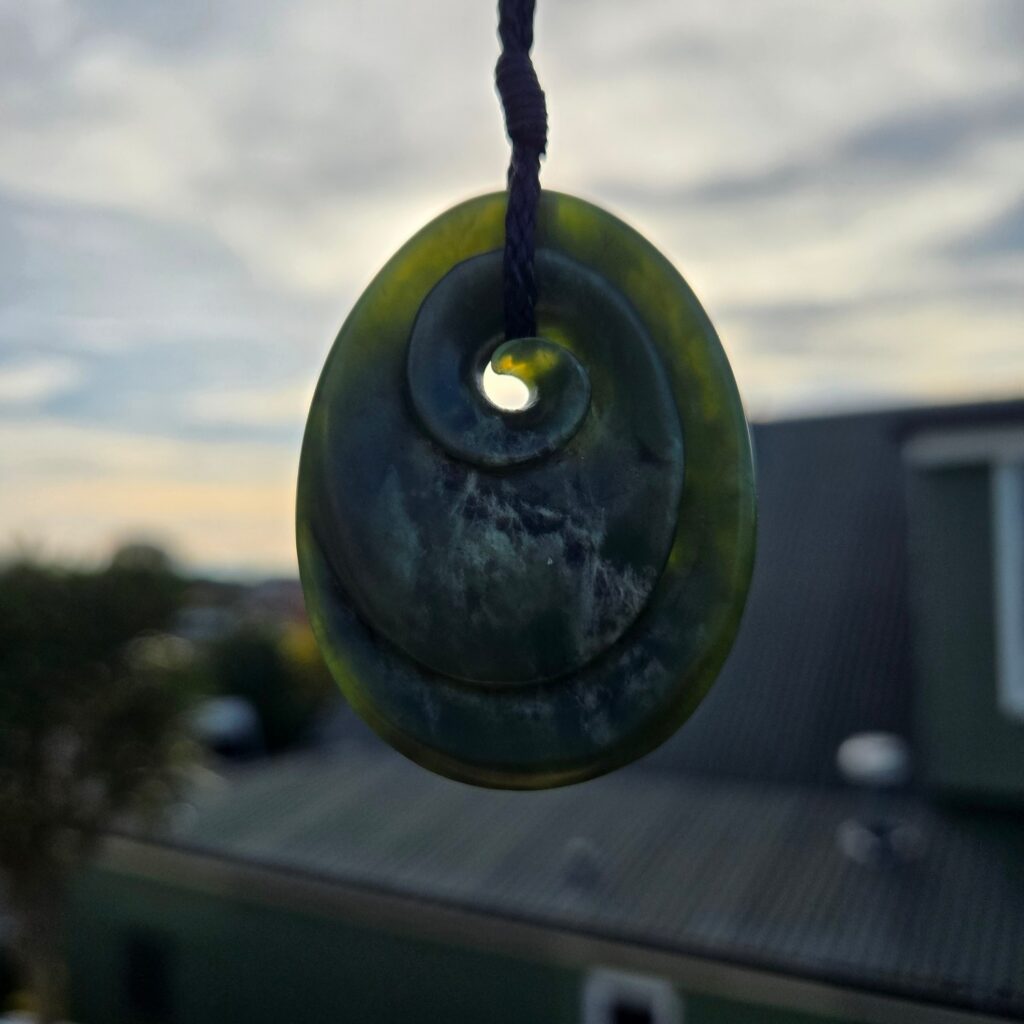
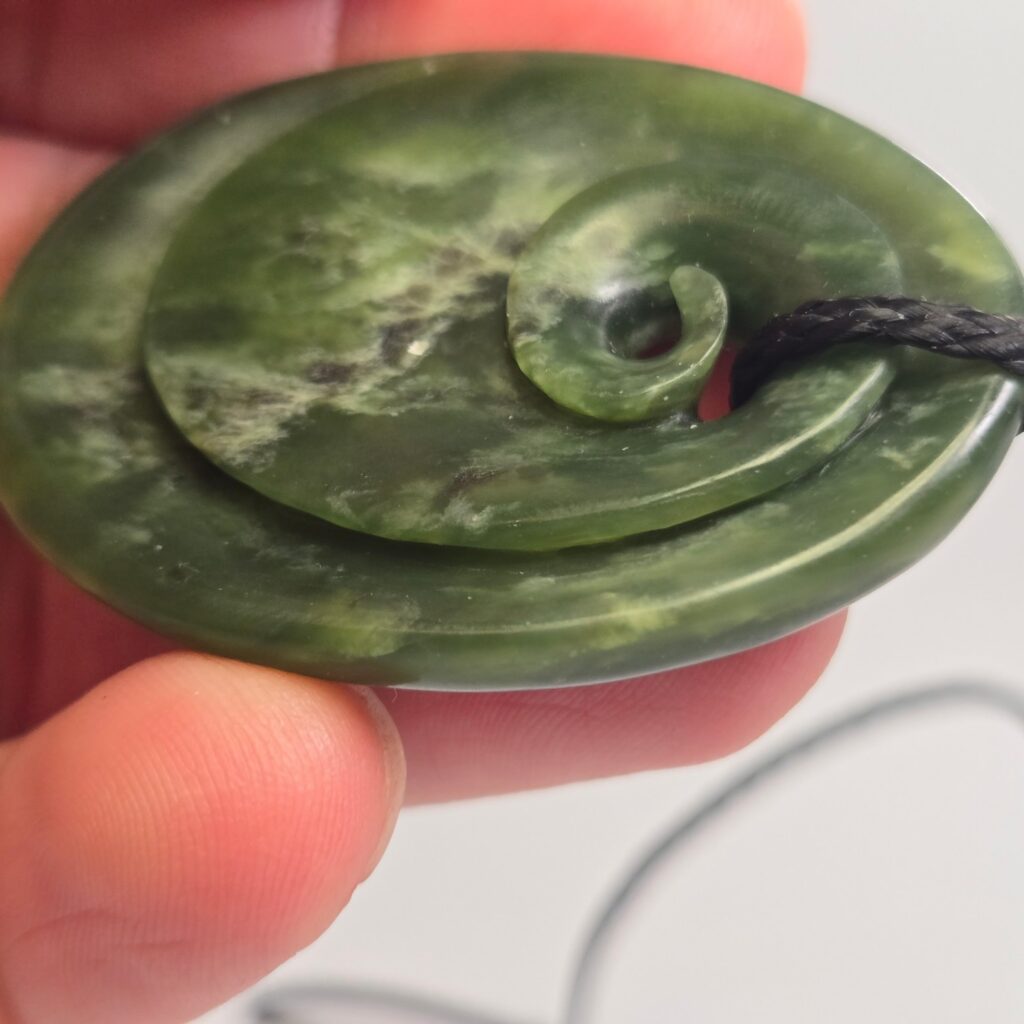
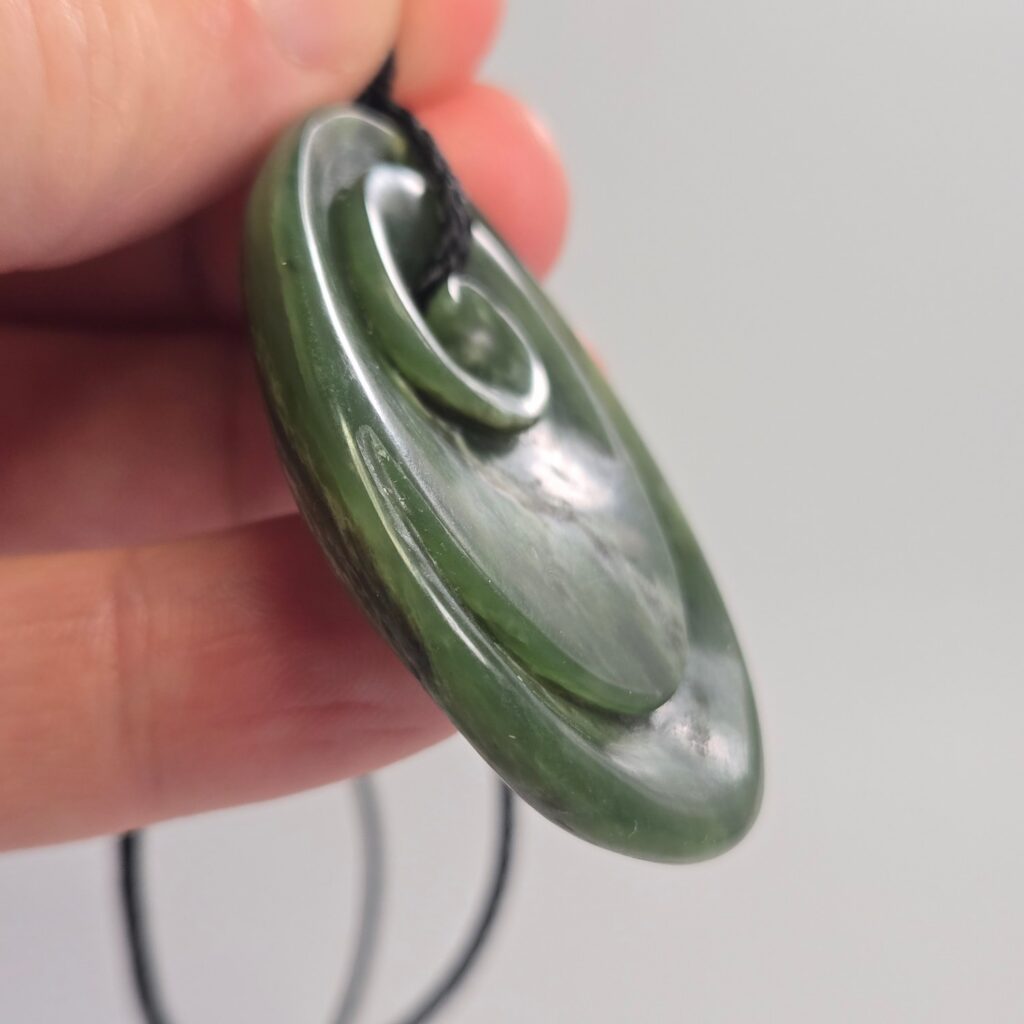
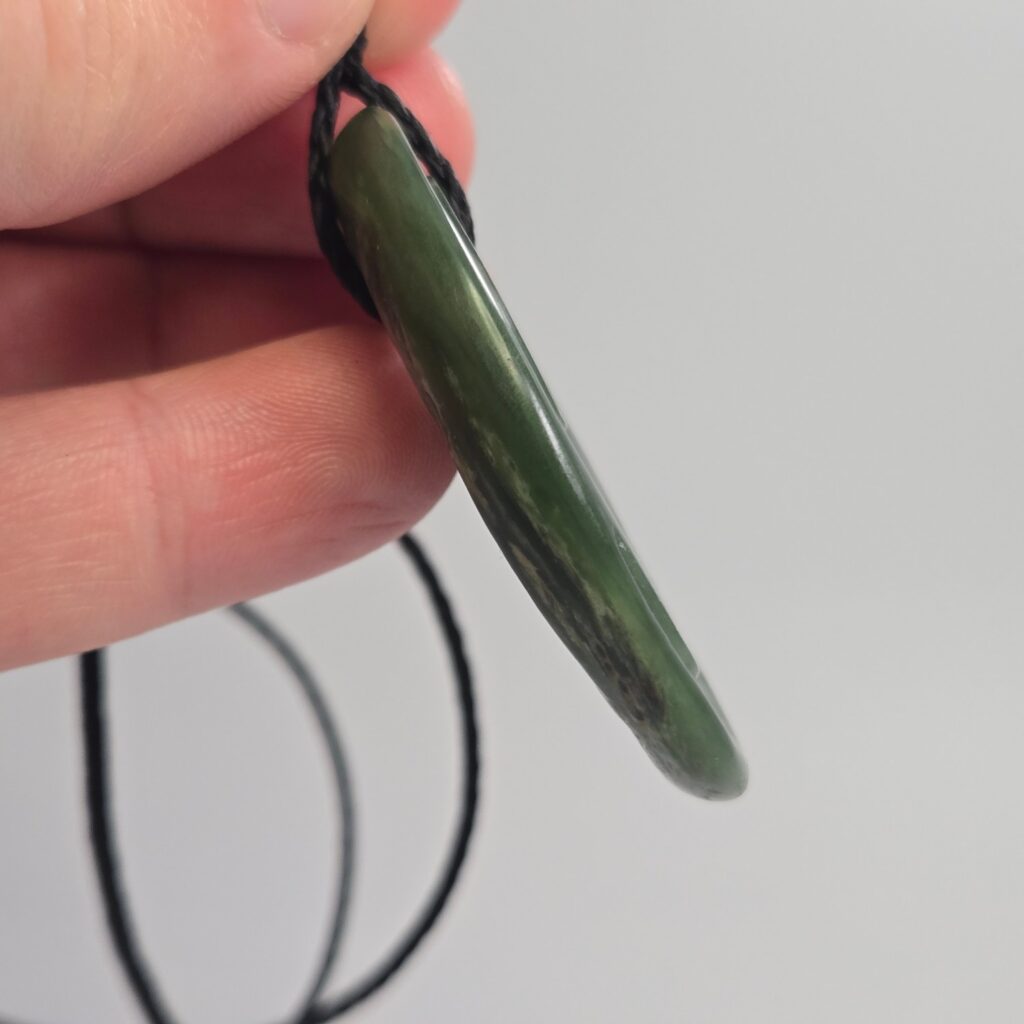
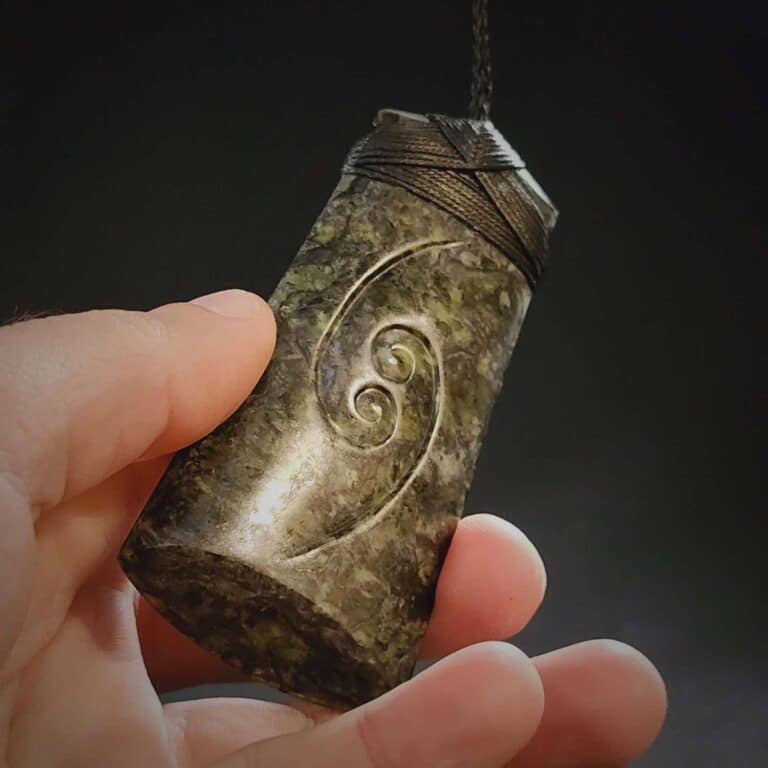
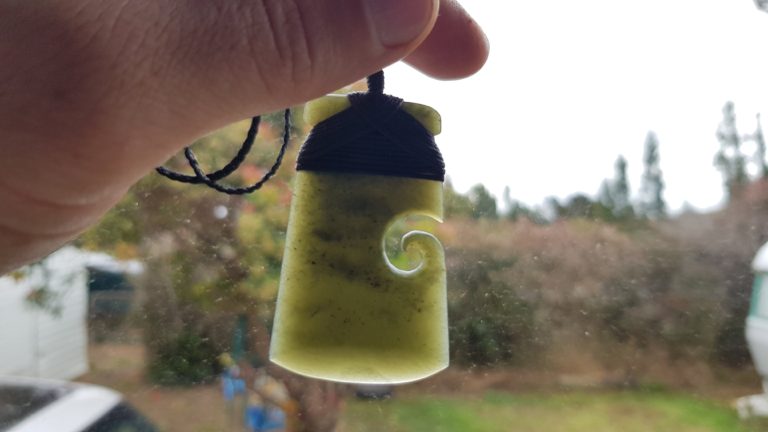
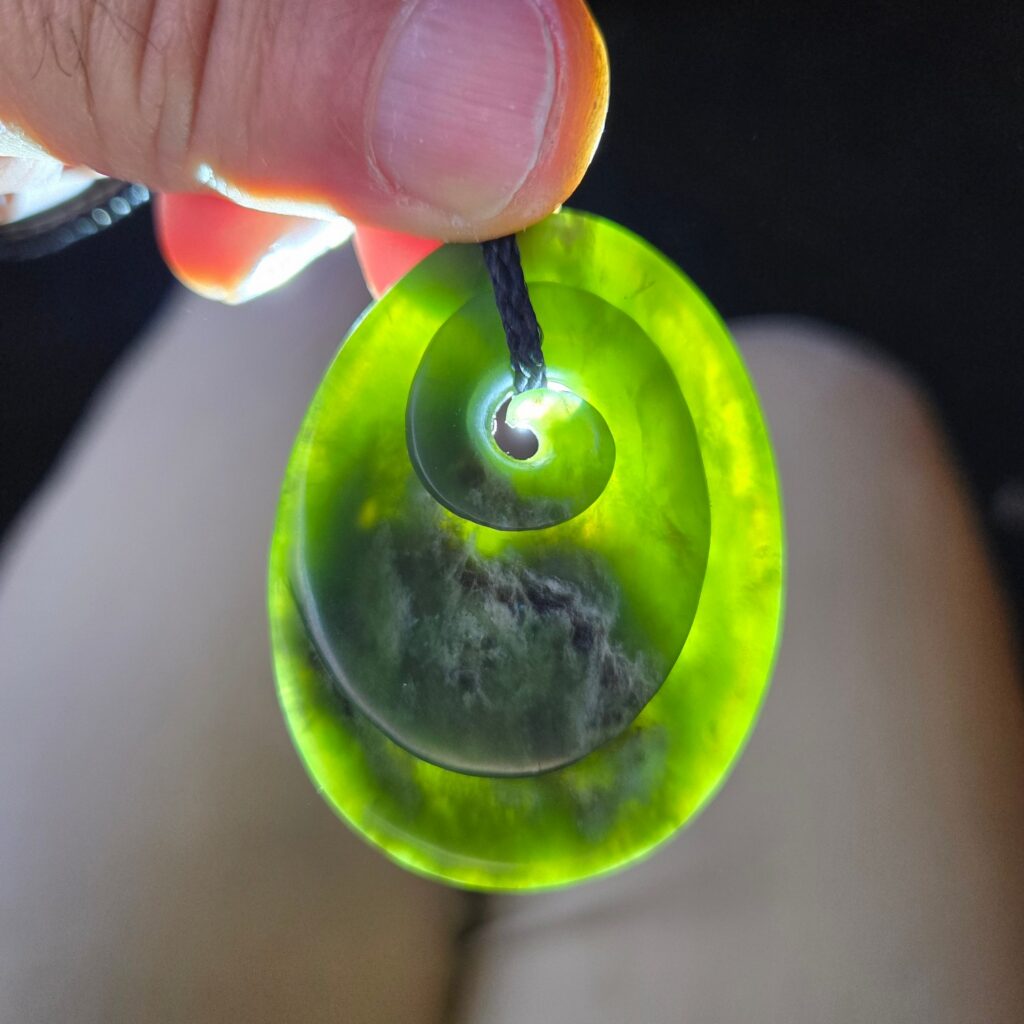
The taonga itself was carved from bright green Kahurangi Pounamu with beautiful translucency and natural darker inclusions running through the stone. The back was left natural, preserving the original rind and pale oxidised patterns from the outside of the stone. That contrast between the polished front and untouched back felt fitting for a taonga carrying both history and new beginnings together.
What I enjoy most about this piece is that it does not try to recreate the original exactly. Instead, it acknowledges the journey that has happened since, while still holding onto the feeling and meaning that made the first taonga so important.