Ngā Manawa Kotahi — The United Hearts
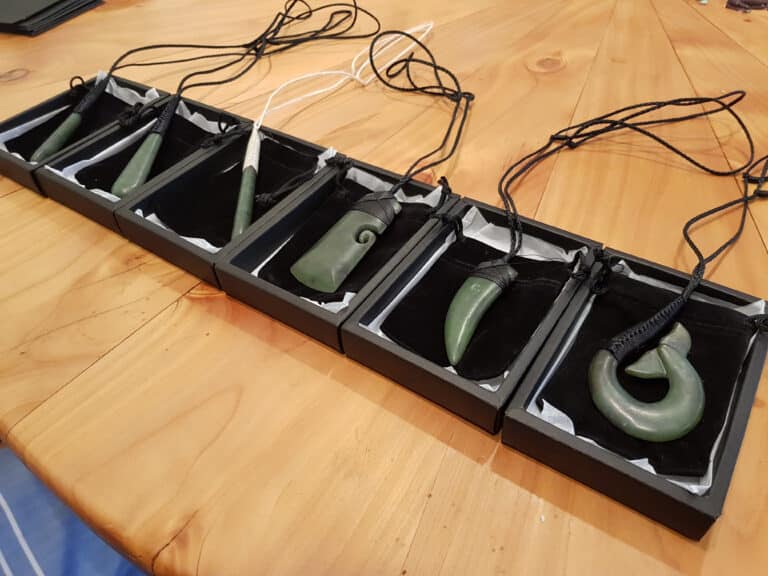
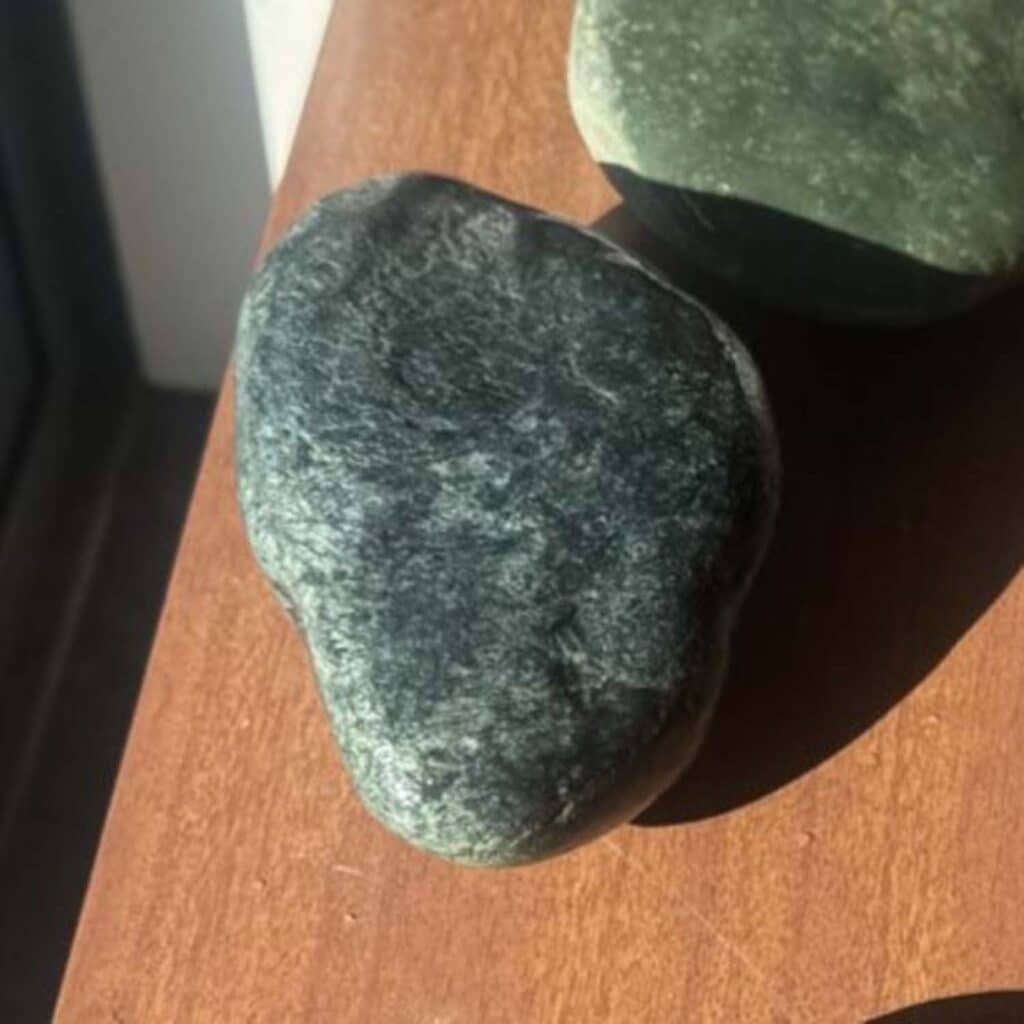
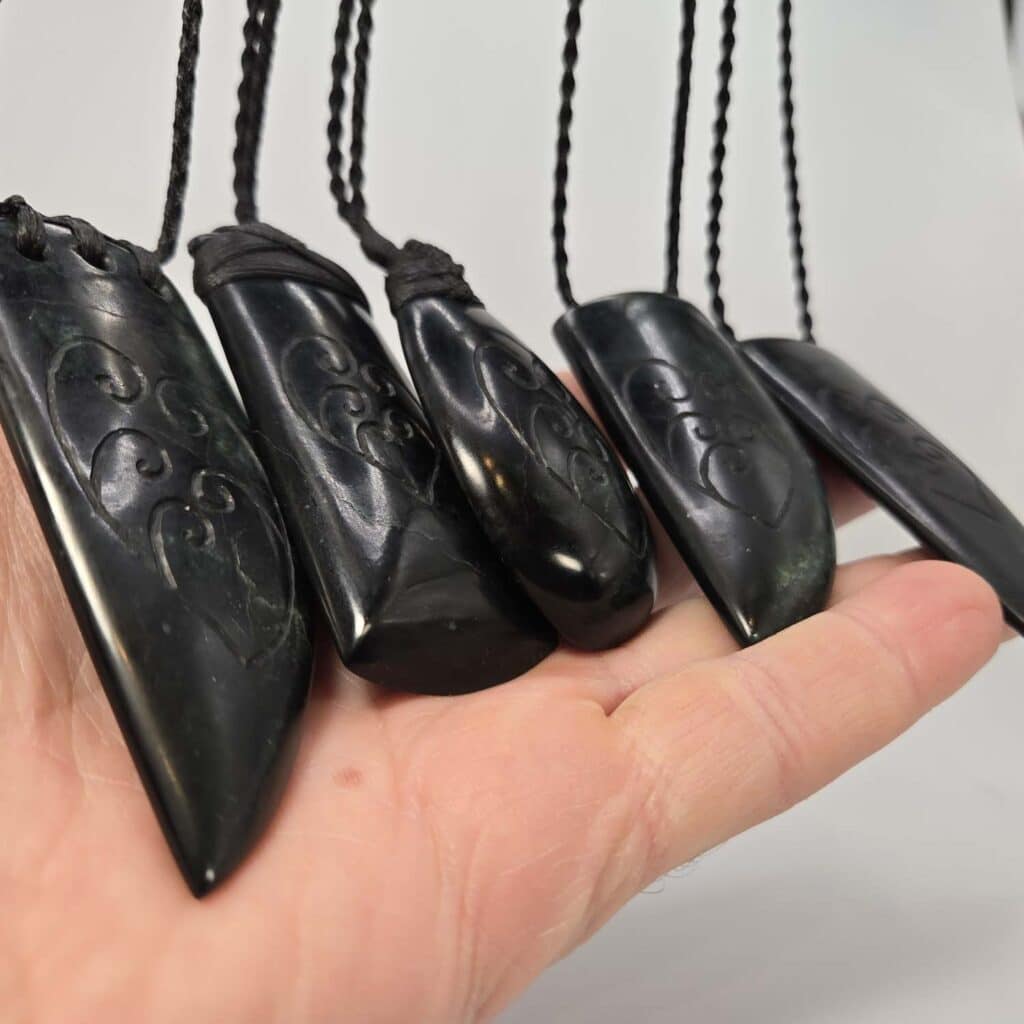
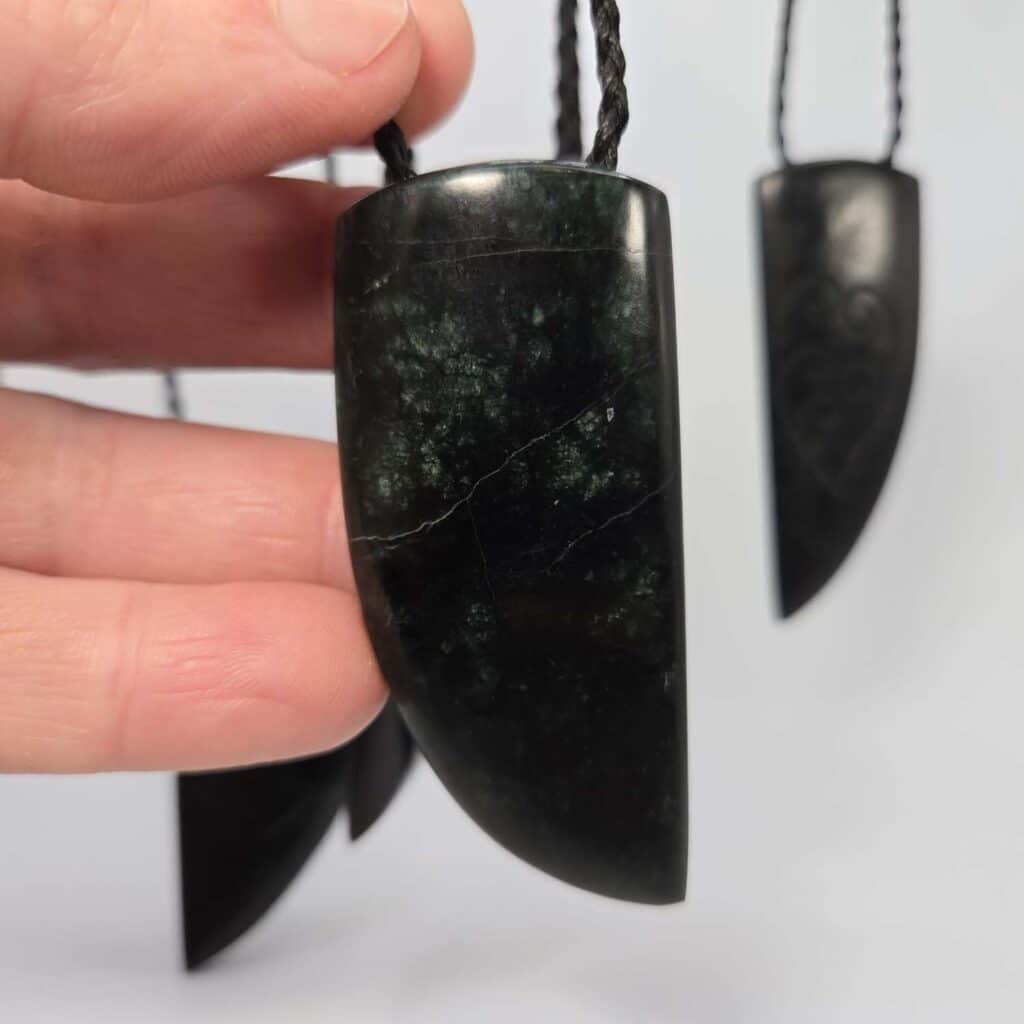
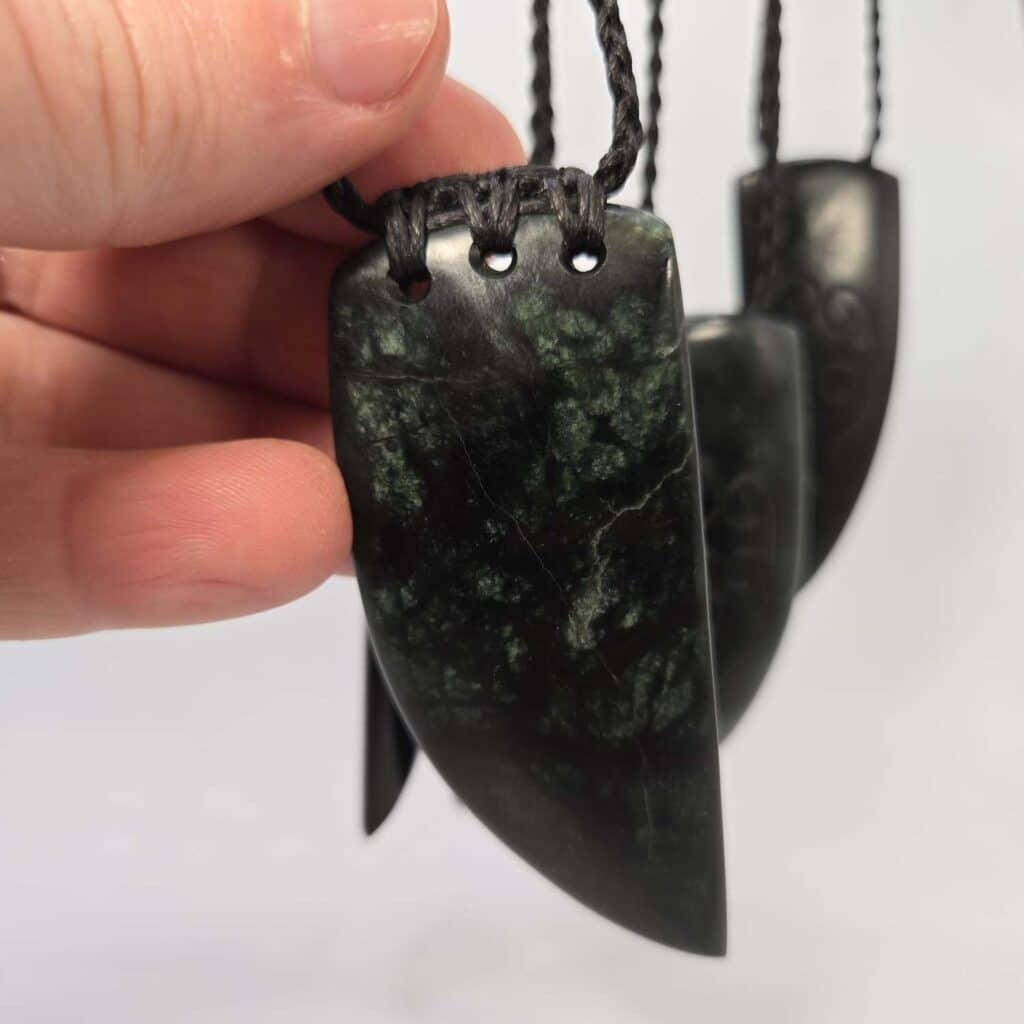
This beautiful set of five taonga, named Ngā Manawa Kotahi (The United Hearts), was carved from a single piece of beach serpentine Pounamu that the whānau found themselves while travelling Te Waipounamu. It was important to them that the stone come from this whenua—a place they feel rooted in, even while living far across the seas in Australia and Canada. It felt like such a privilege to work with their Pounamu and transform it into something that could carry that connection across the generations.

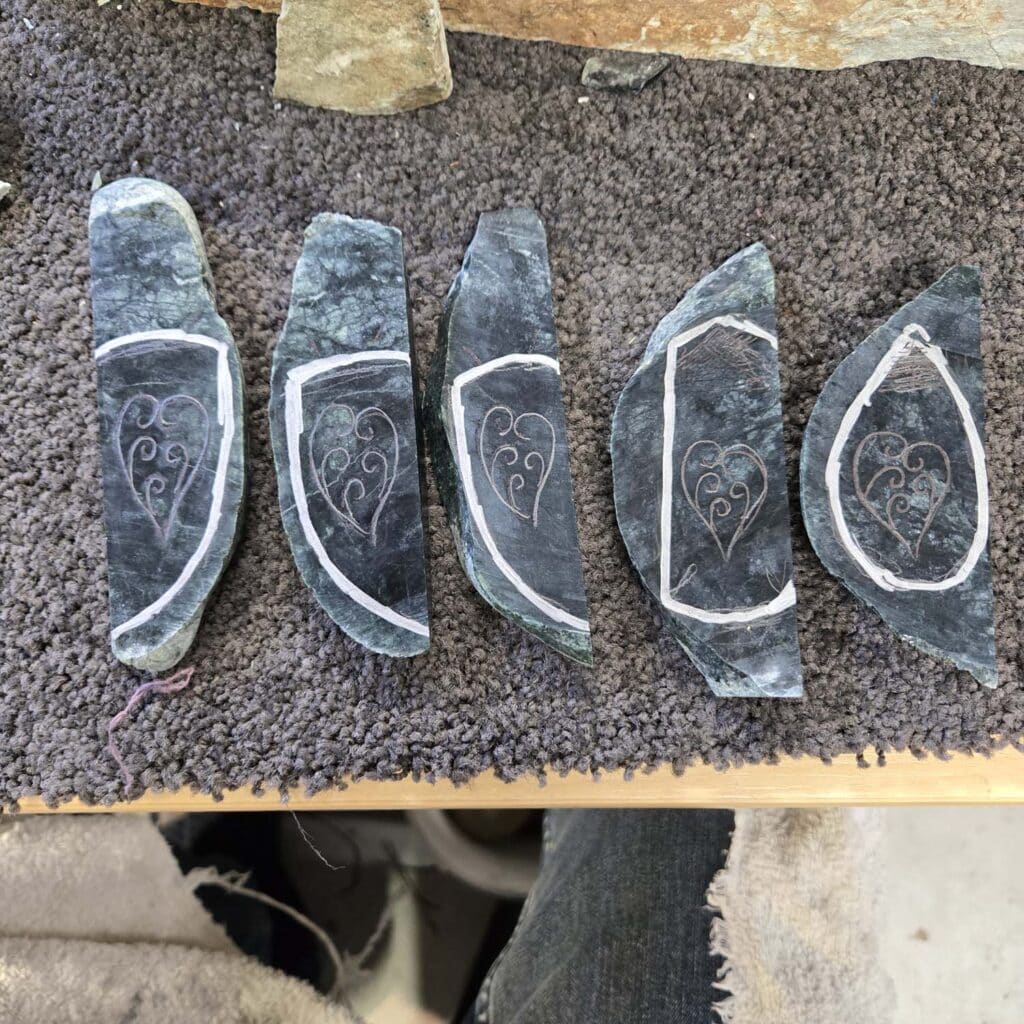
Before carving began, I took a photo of the raw stone, still intact, and later, another of the slices cut and marked with the designs for each taonga. The process of seeing a single piece of stone become five connected forms is always powerful, but especially here, where the kaupapa was so focused on whānau and shared identity.
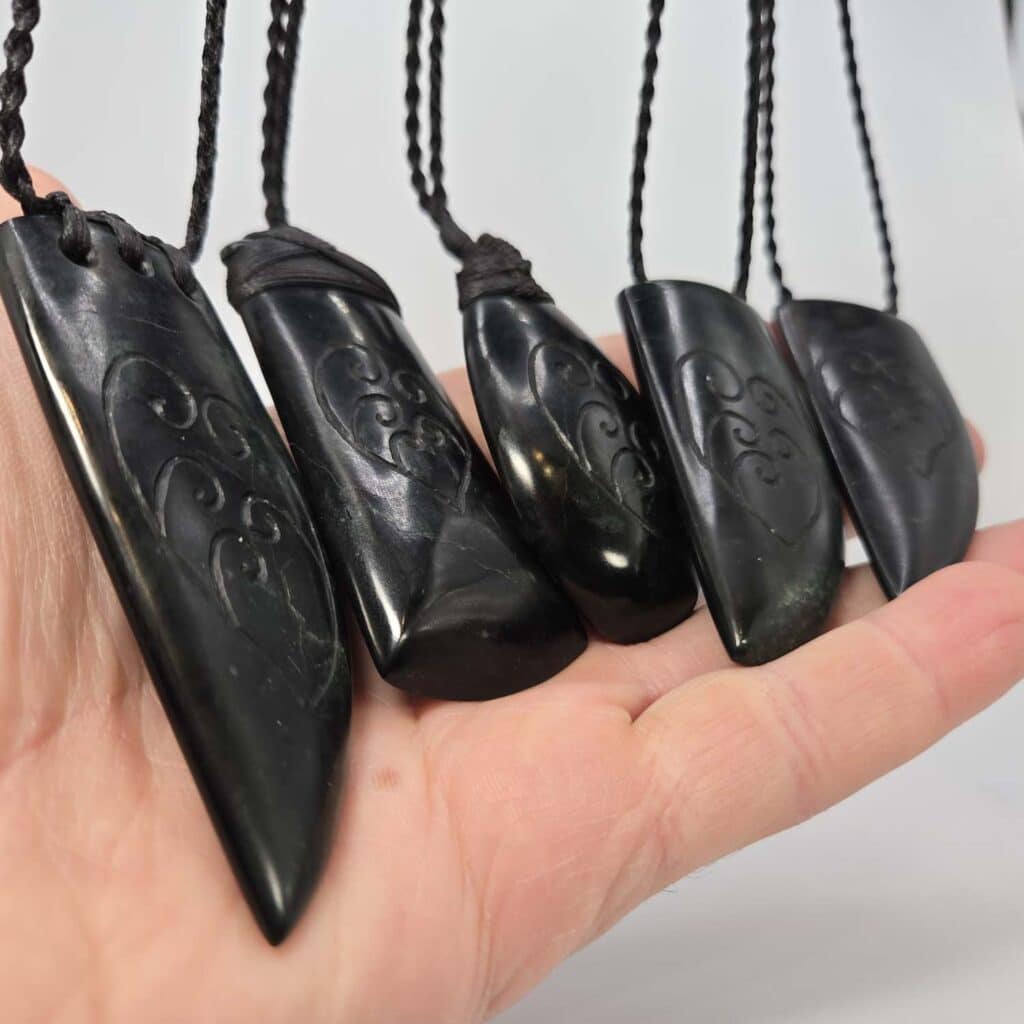
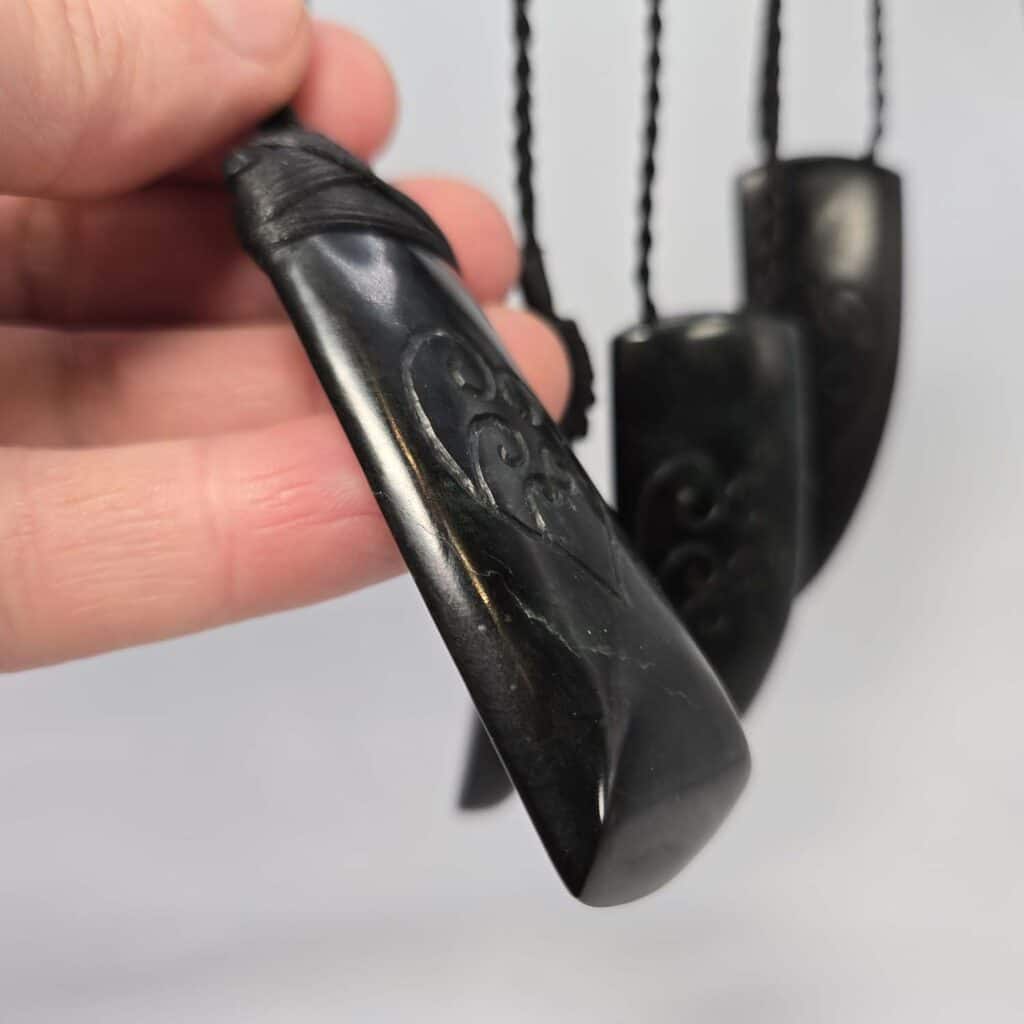
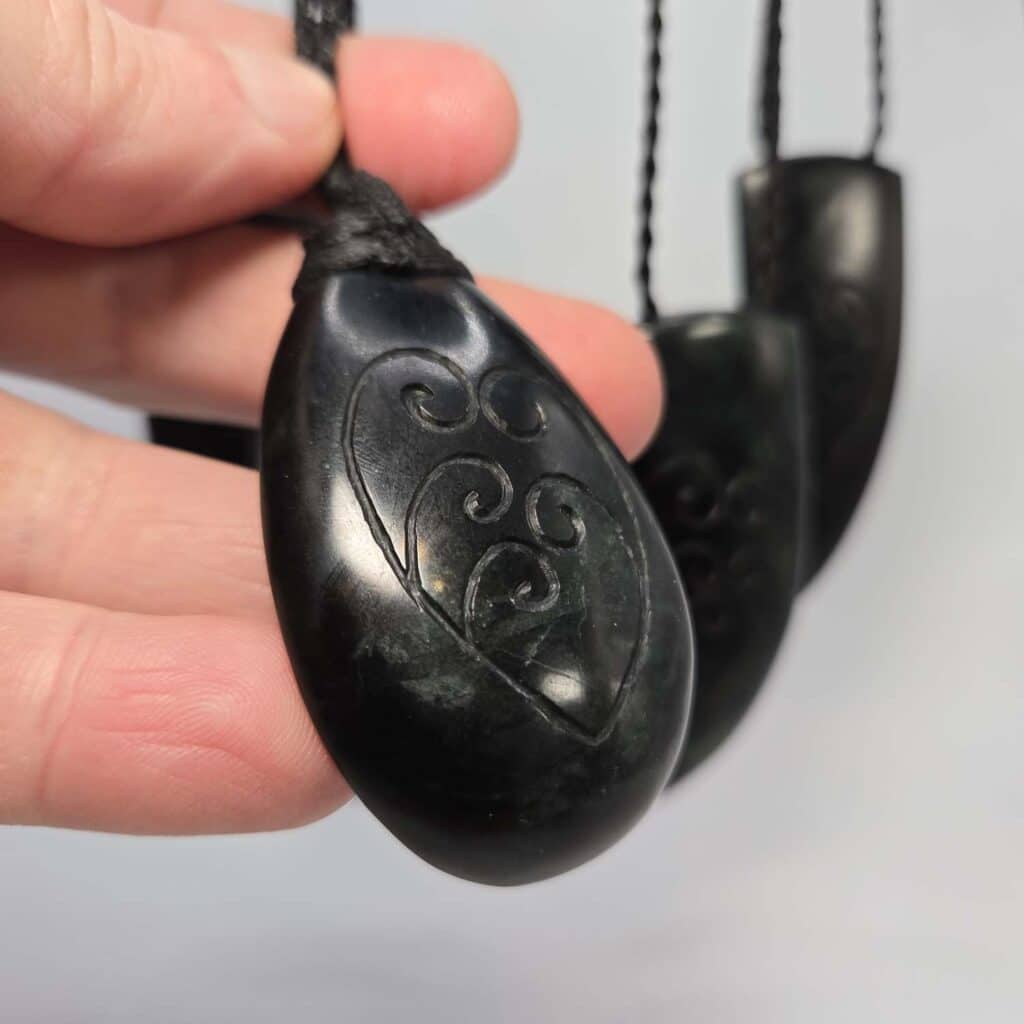
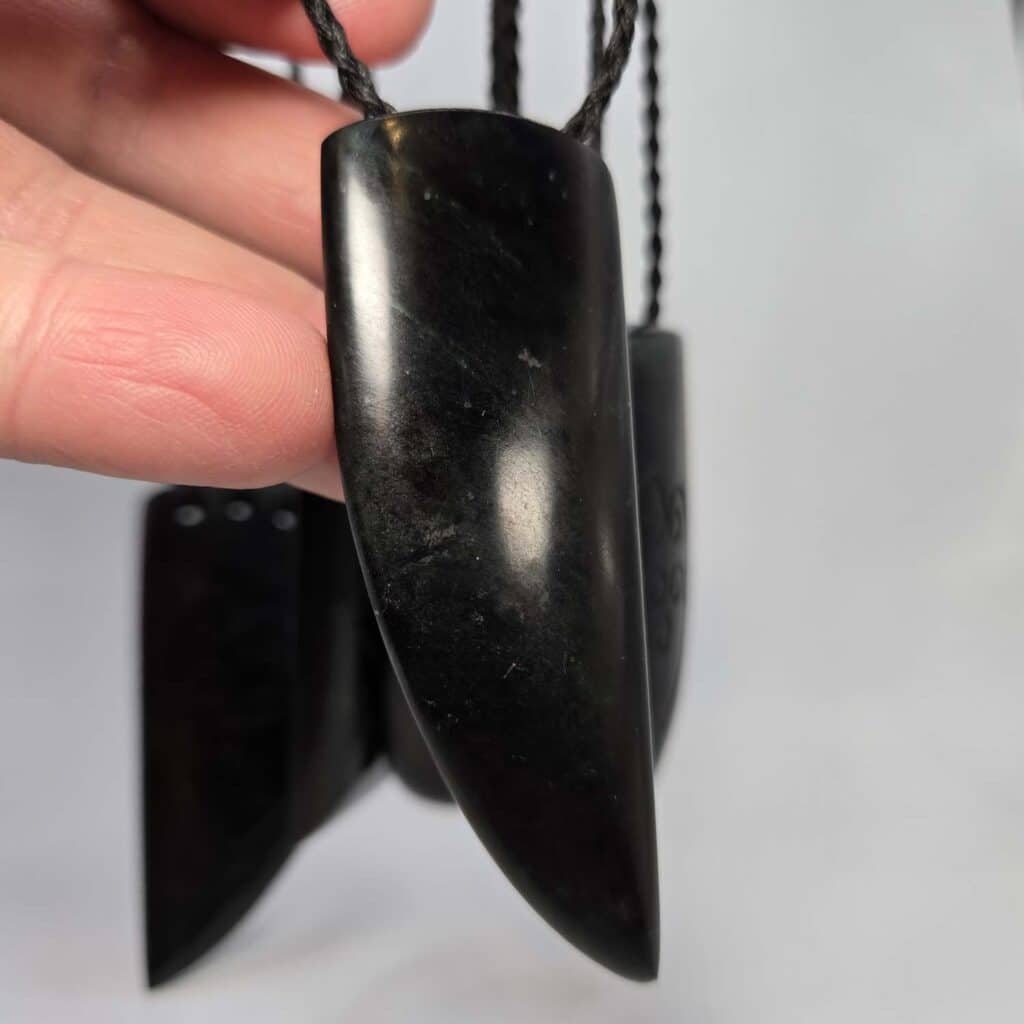
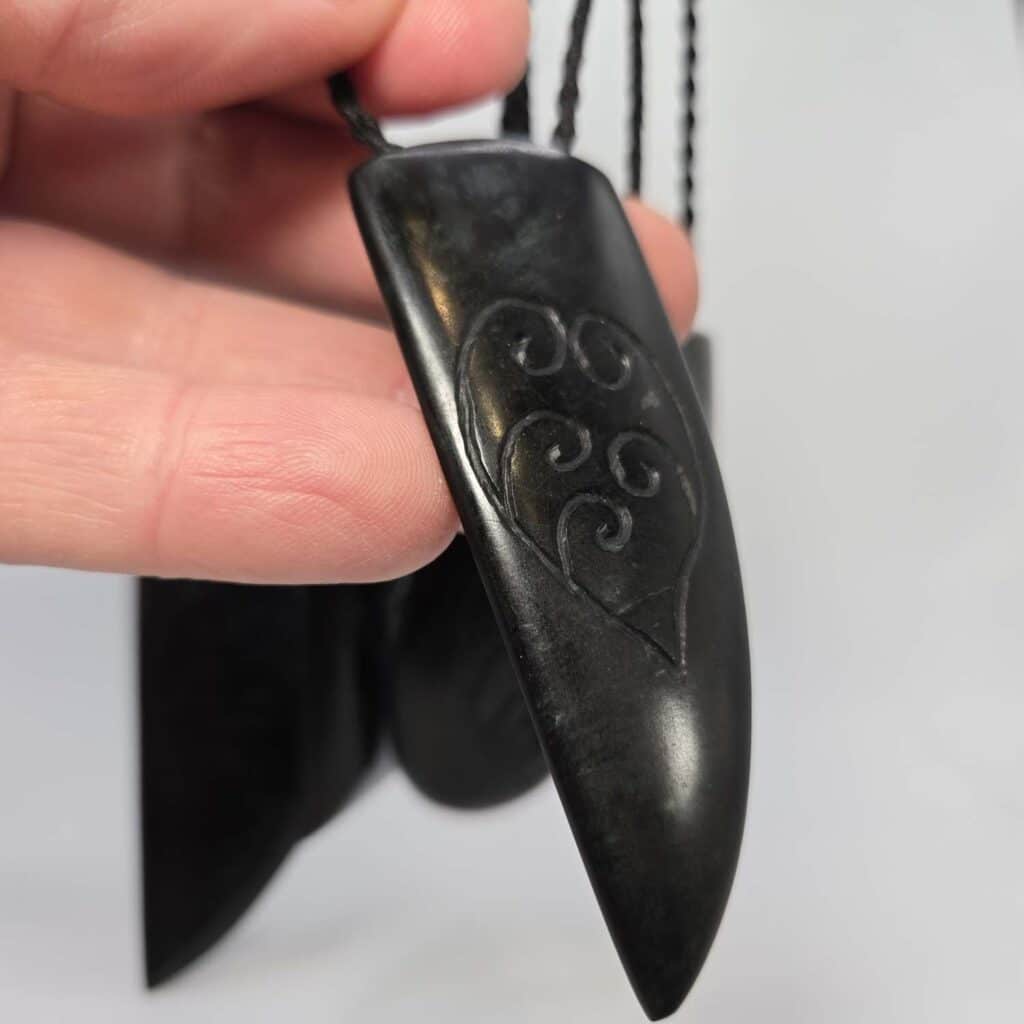
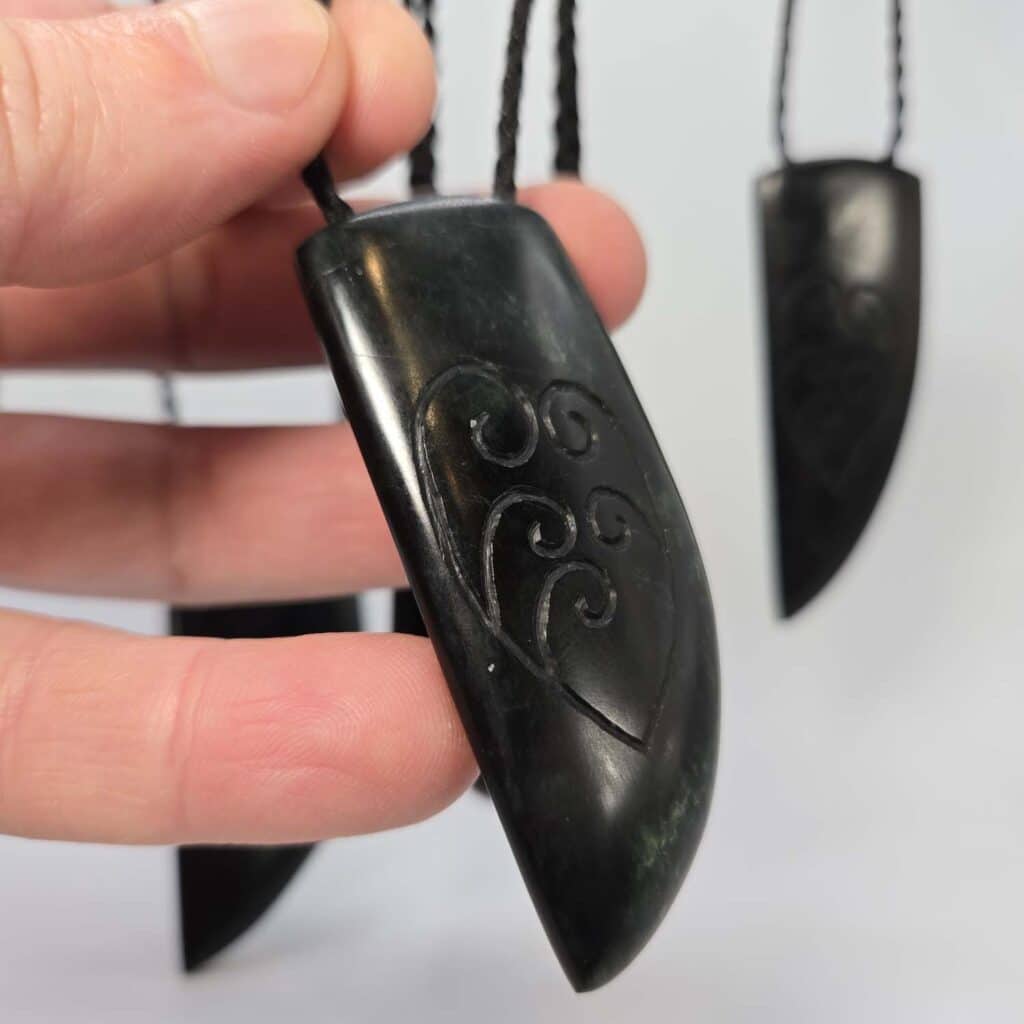
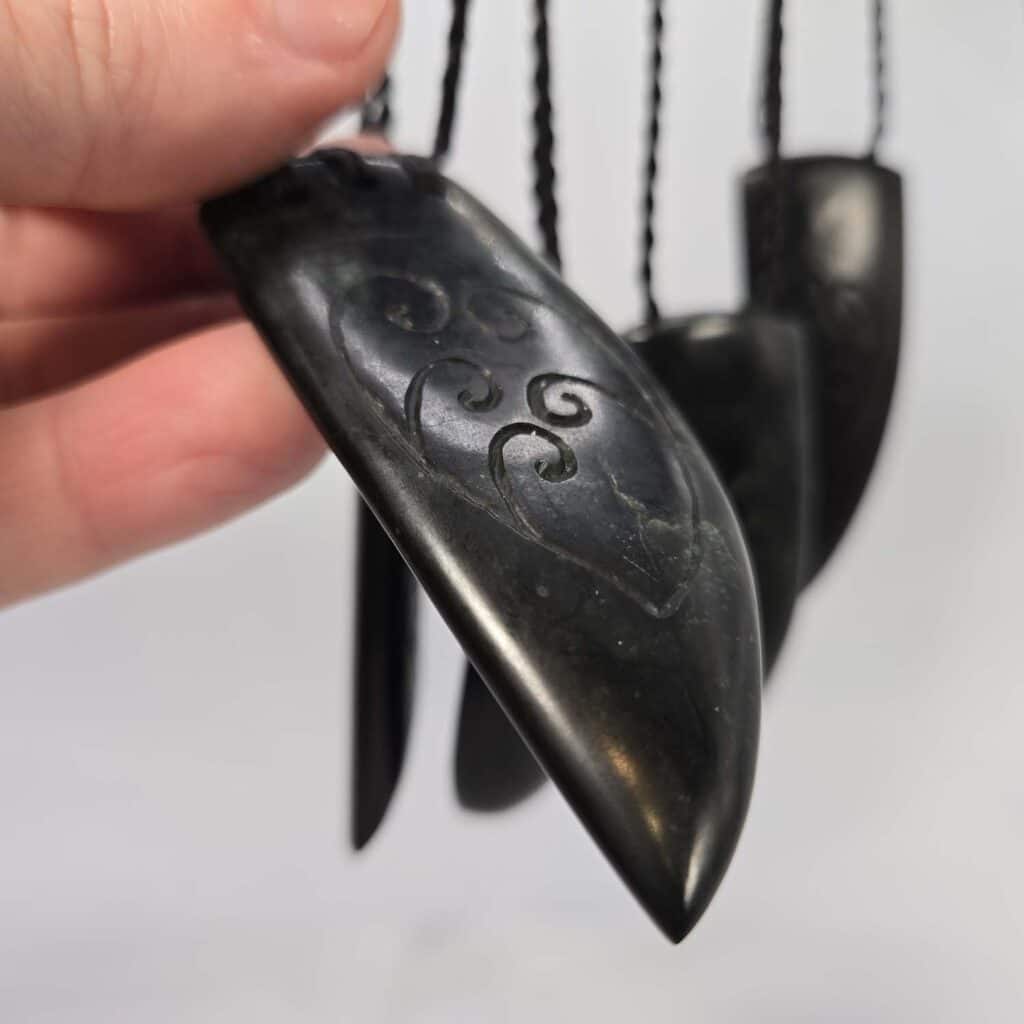
There are five taonga in the set: three Niho for the tamariki, a Toki for the father, and a Roimata for the mother. Each one carries the same central design motif — five koru flowing together in the shape of a manawa or heart. The five koru represent the five members of the whānau, each contributing their own strength, aroha, and wairua. The manawa shape symbolises the collective heart of the family — beating together even when apart.
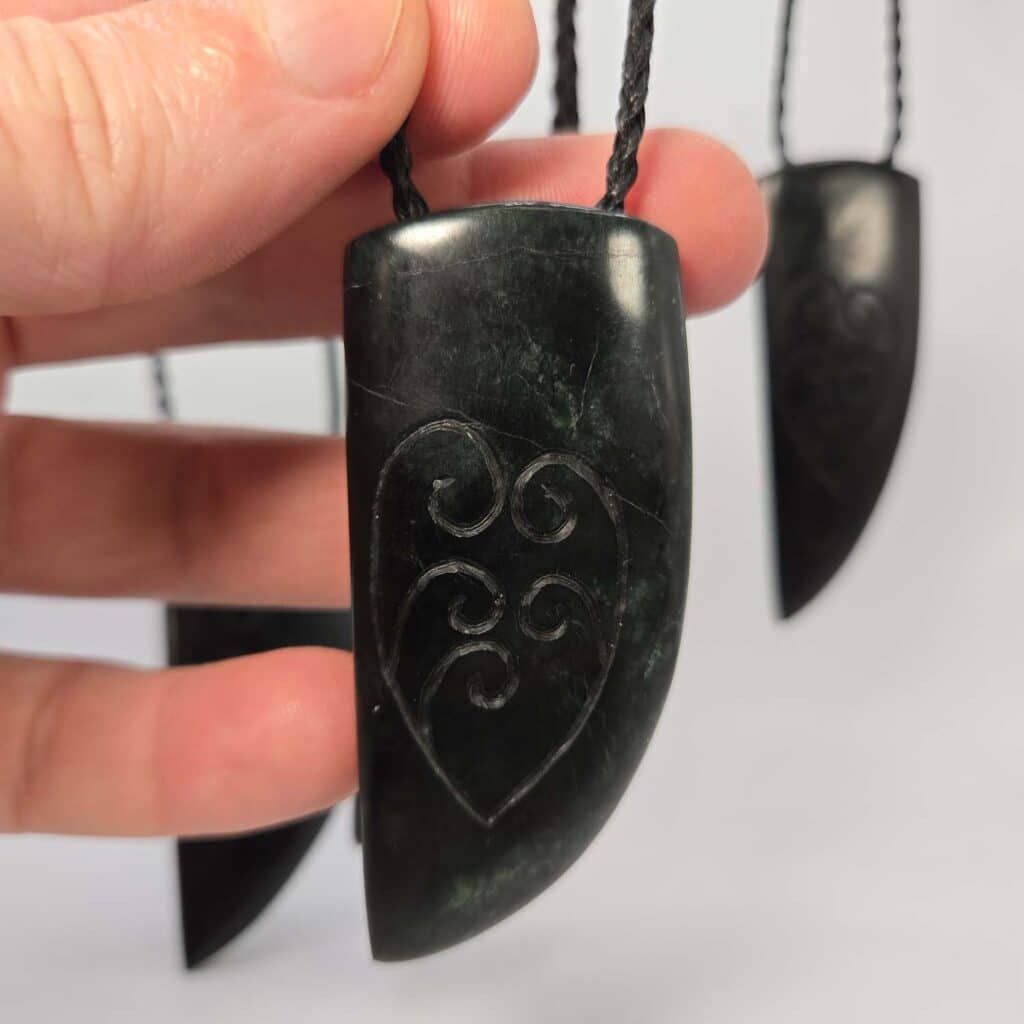
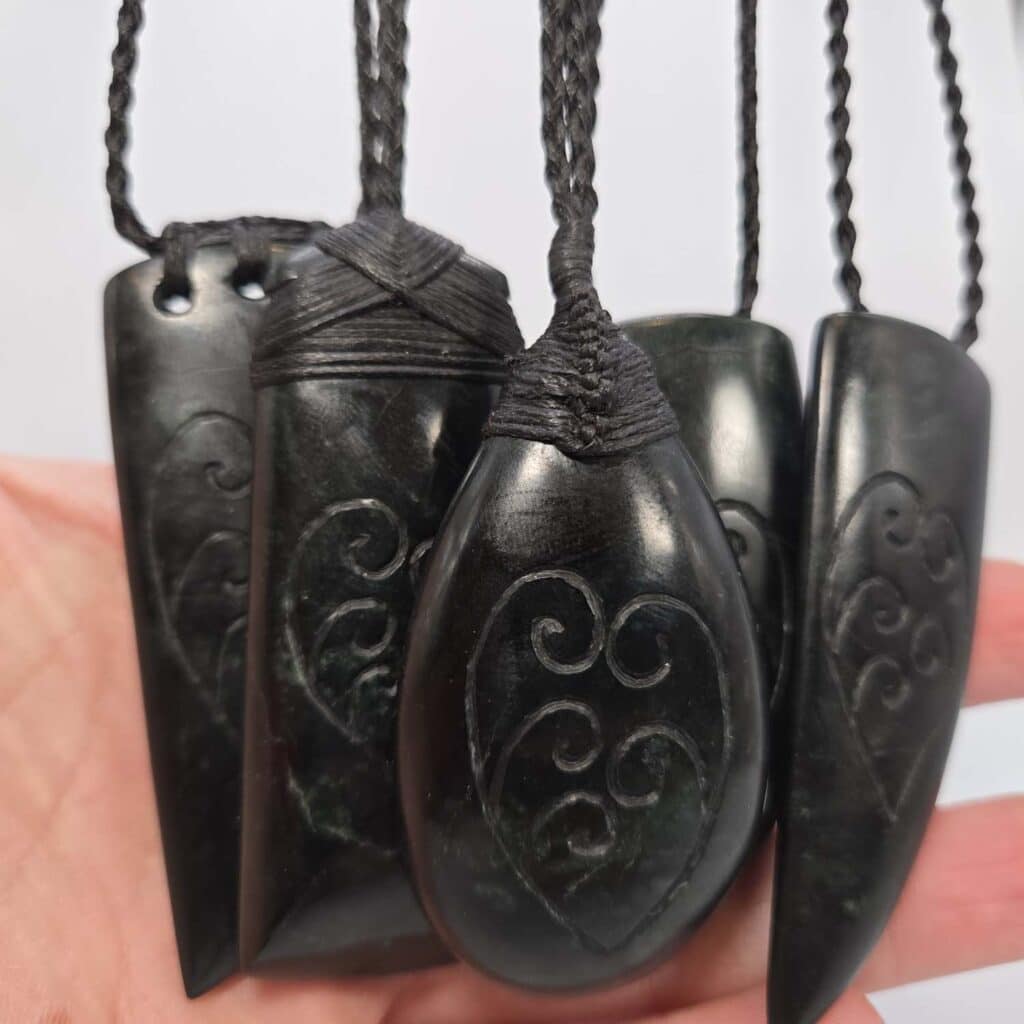
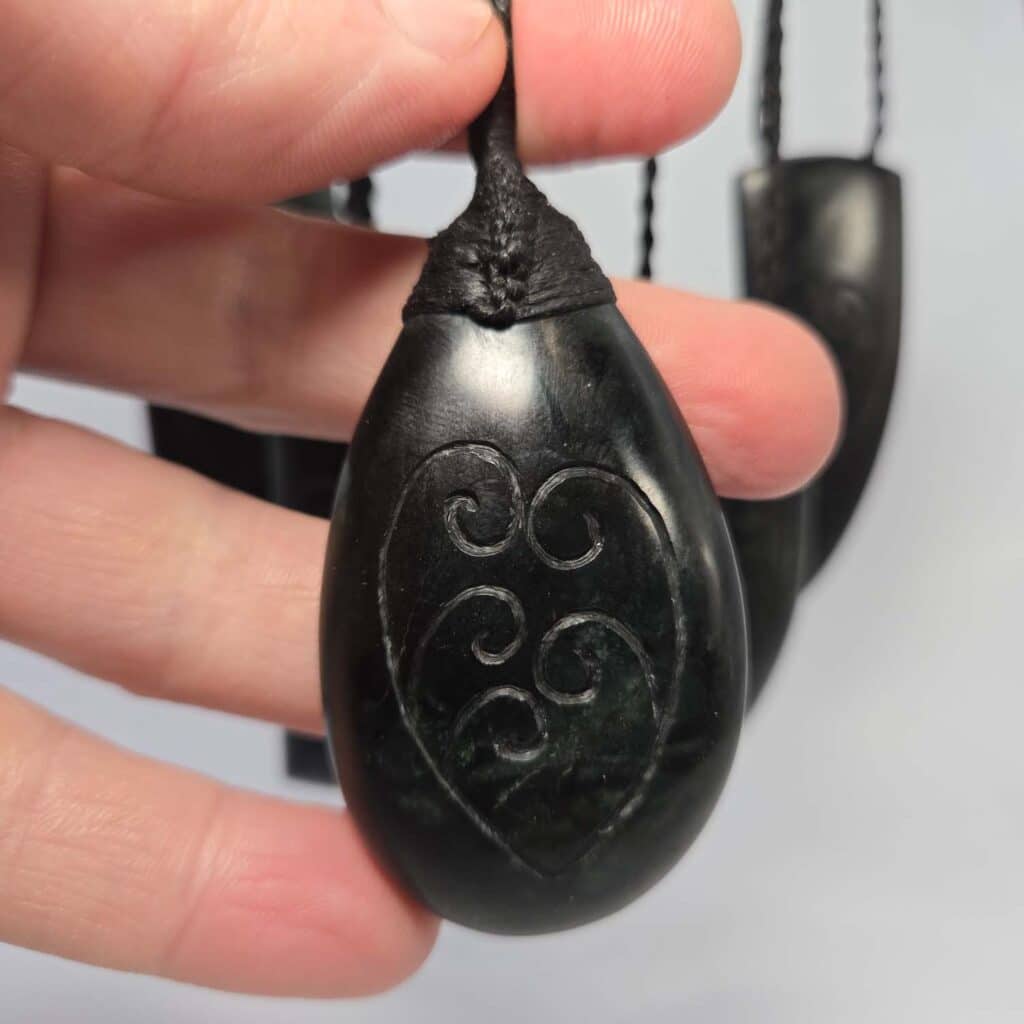
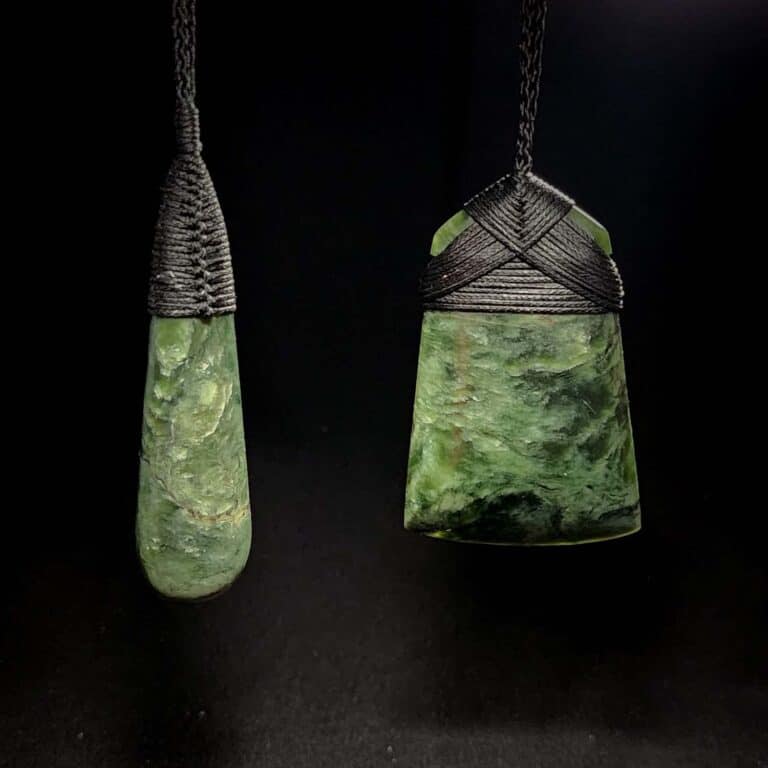
The Niho, with its traditional tooth-like form, symbolises strength, protection, and leadership. It carries the idea of being grounded and resilient, like the niho of a great whale. Giving this form to the tamariki acknowledges the strength they already hold, and the mana they will continue to grow into.
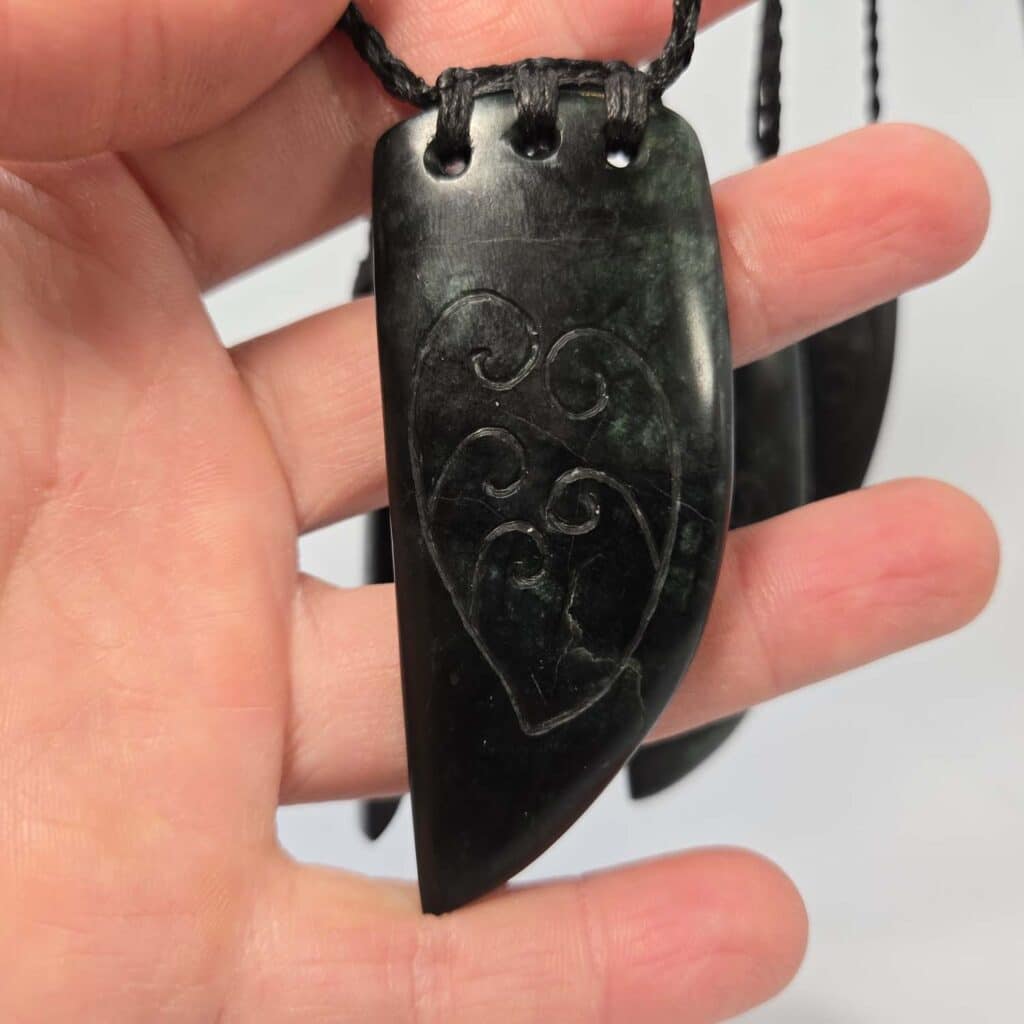
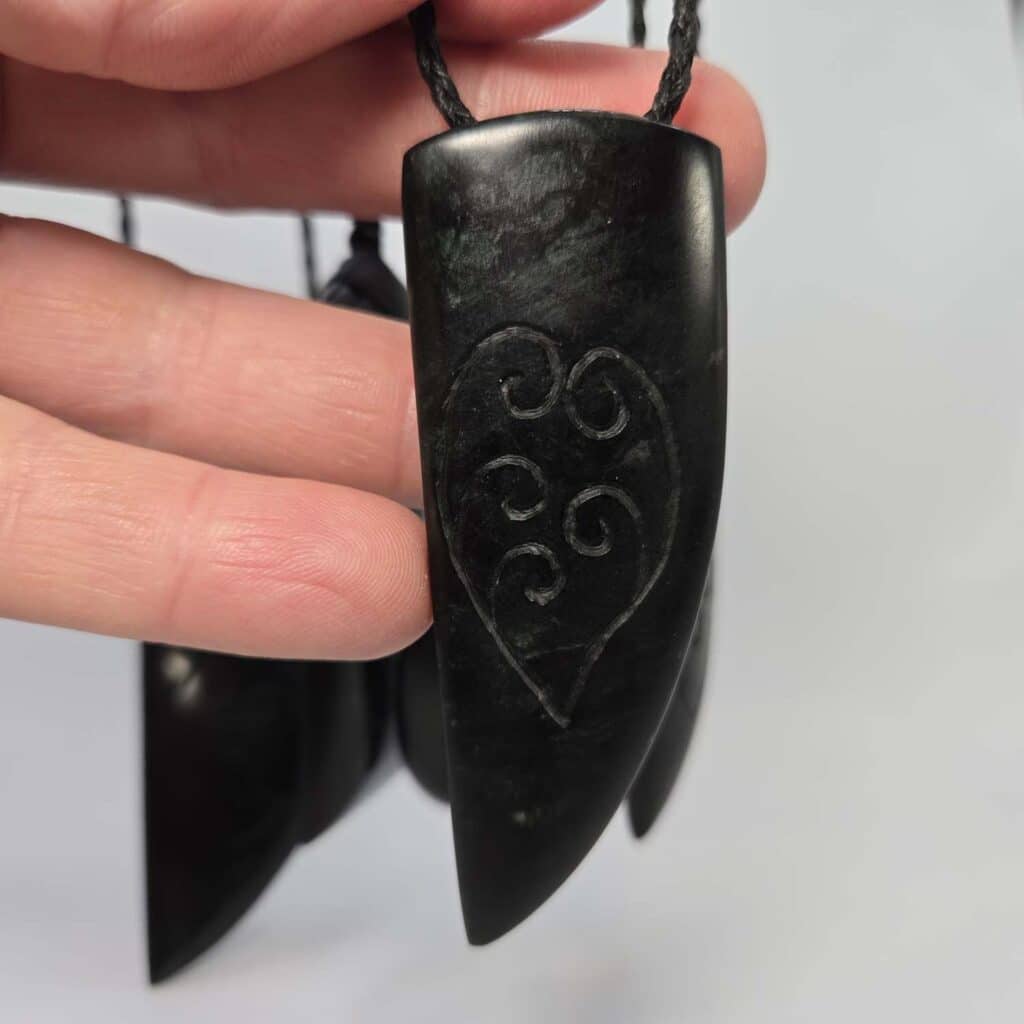
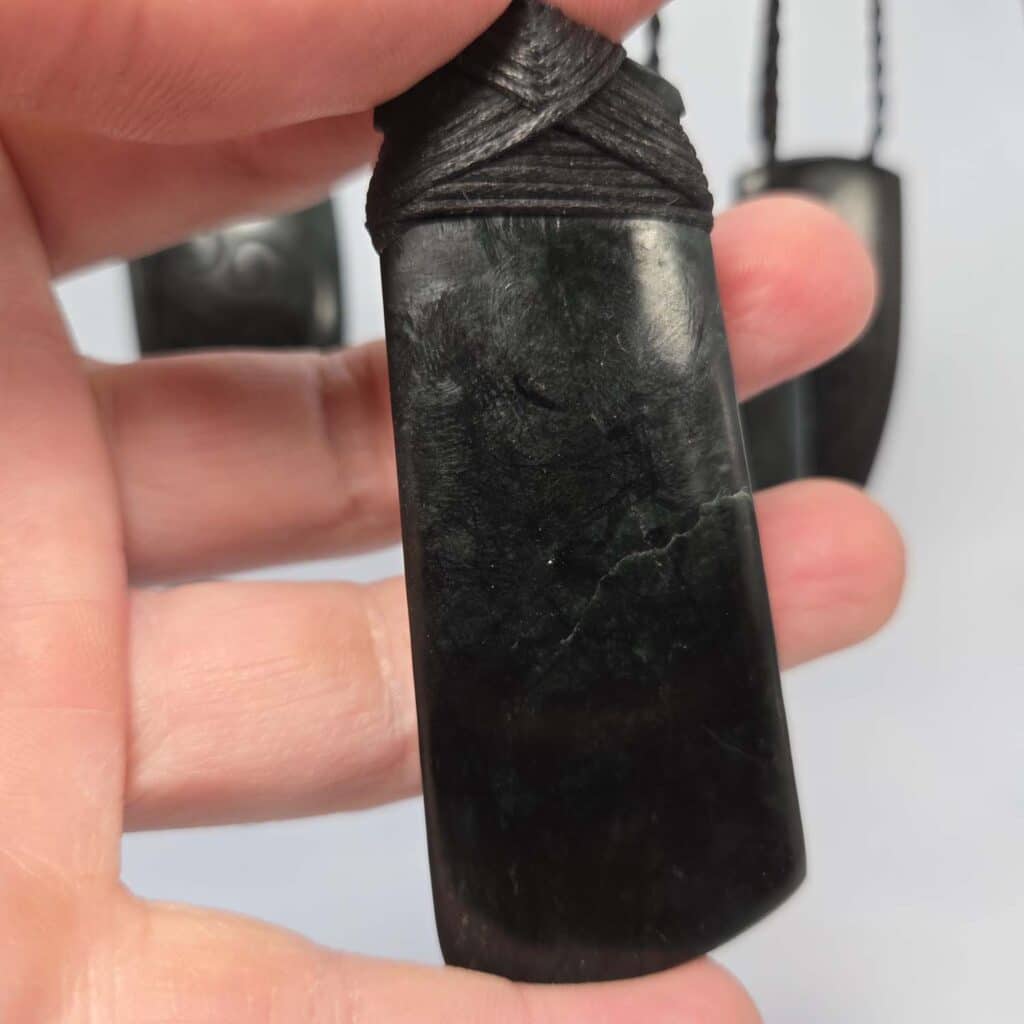
The Toki, carved for the father, speaks to courage, determination, and the ability to shape one’s world. Traditionally a tool of great purpose, it honours his role as a guide and provider, someone who leads with both strength and care.
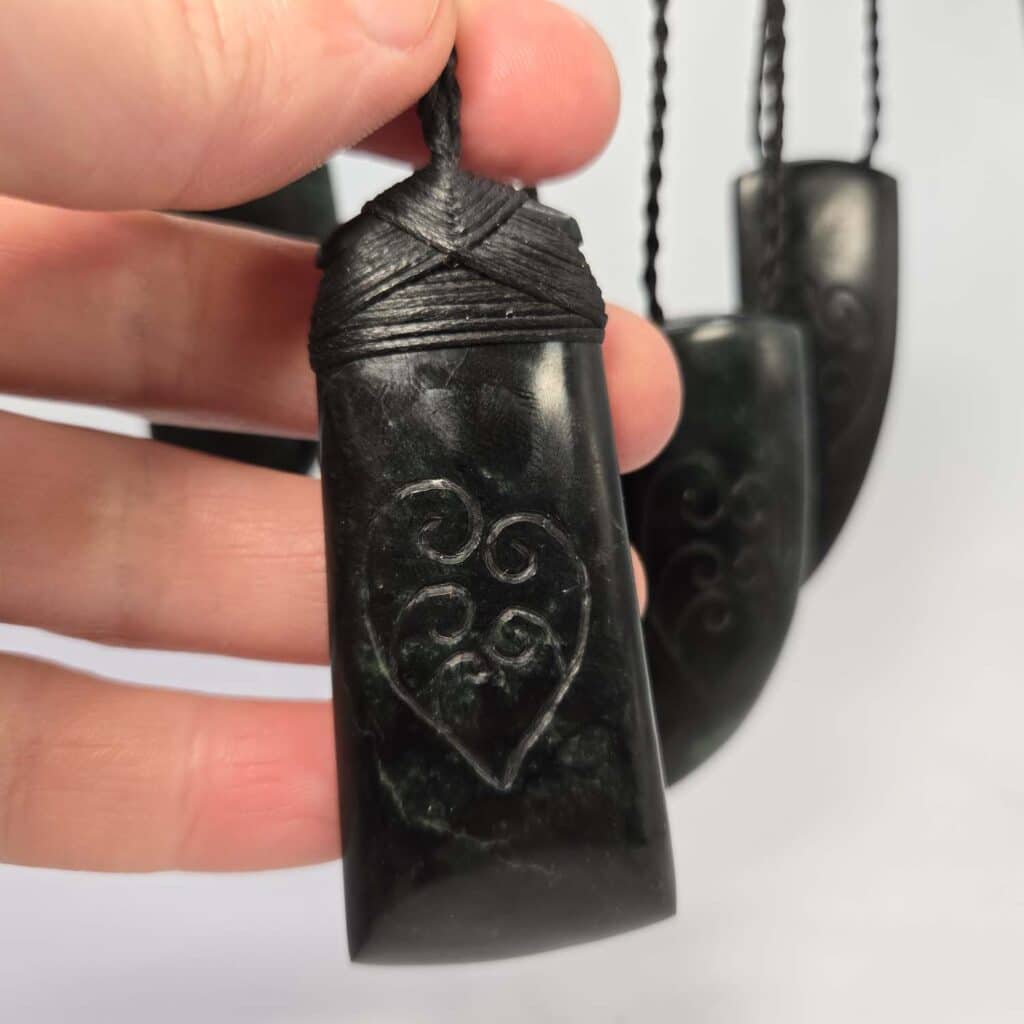
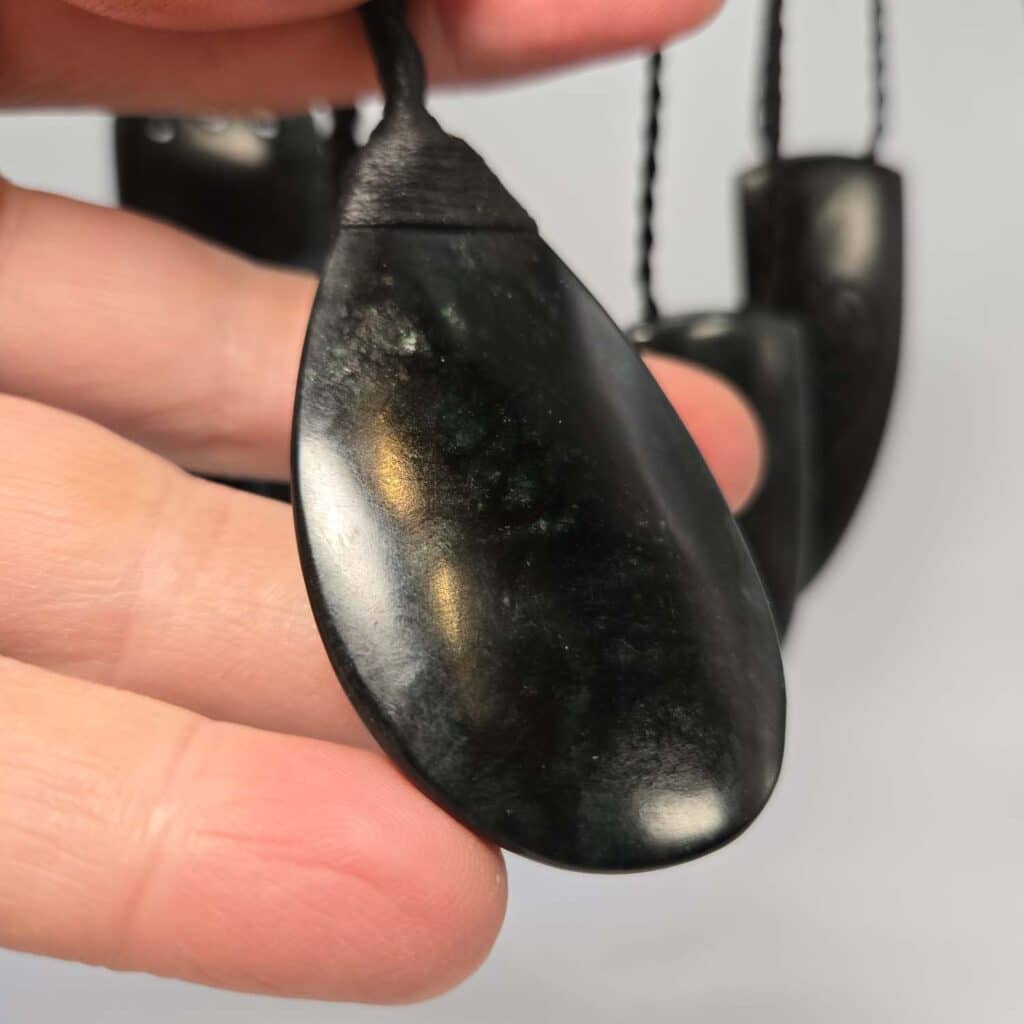
And the Roimata, for the mother, carries the form of flowing emotion — tears, rain, or the nourishing waters of aroha. It symbolises compassion, healing, and deep empathy. It felt fitting for someone at the centre of a family, holding others close even across distance.
Working on this set reminded me again of how taonga can hold not just form and beauty, but meaning, story, and connection. I know this Pounamu came from a special place, and now it carries with it the shape of a whānau’s love — woven into the design, the stone, and the hands that gave and received it.
Wherever these taonga travel, they’ll carry with them the essence of home, of whakapapa, and of being part of something greater than oneself. That’s the beauty of Pounamu — it binds people to place, to one another, and to memory.