Kōuma Breastplate
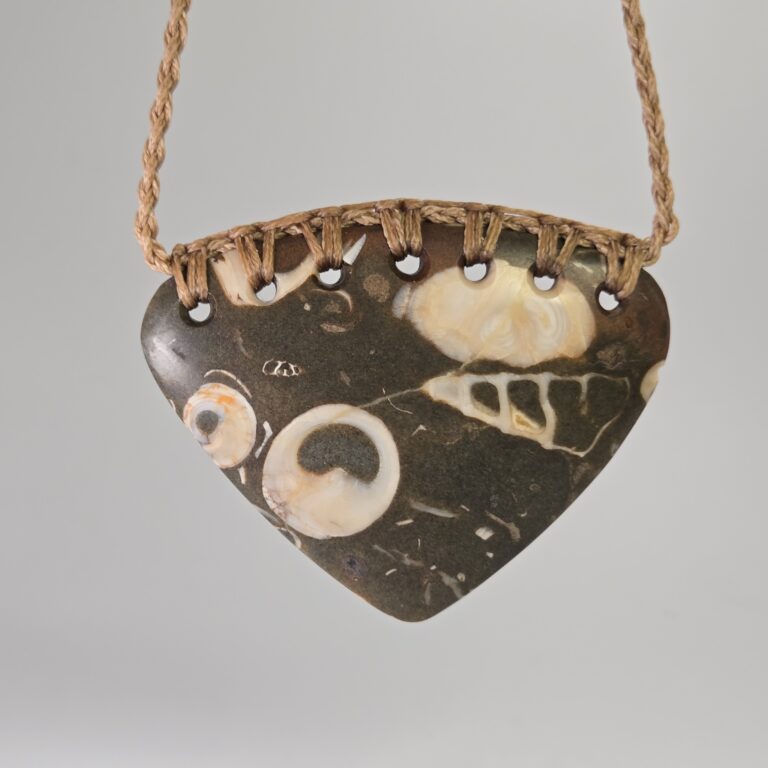
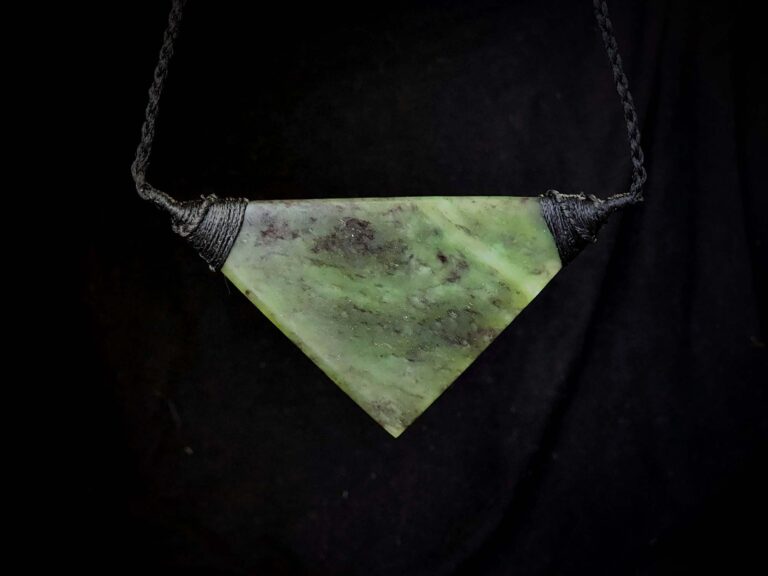
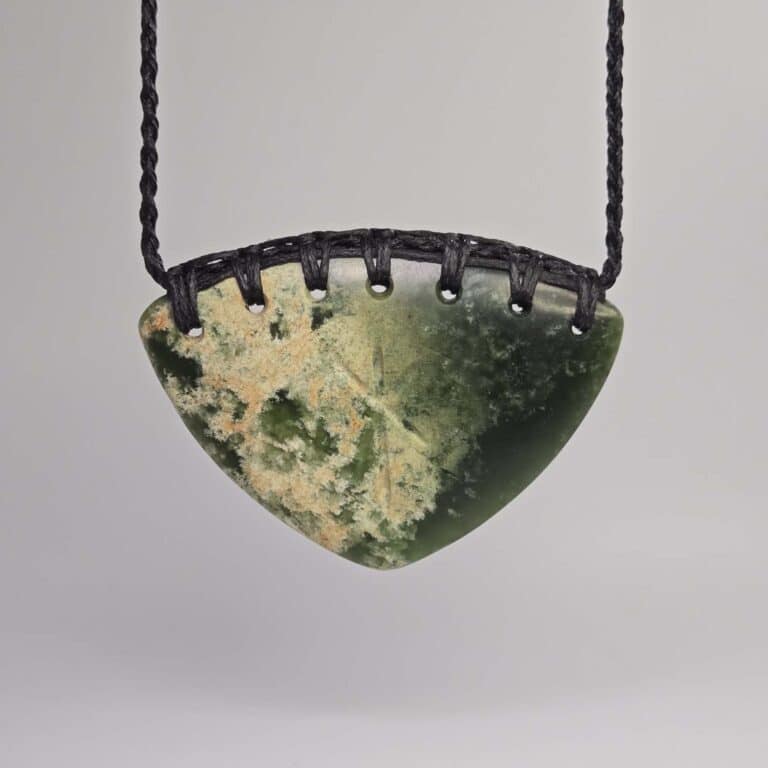
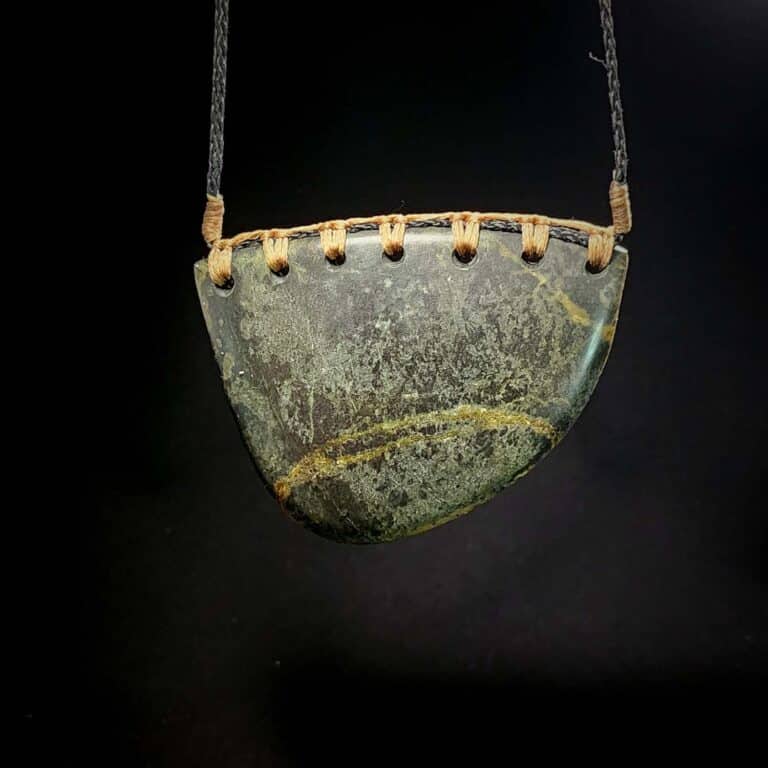
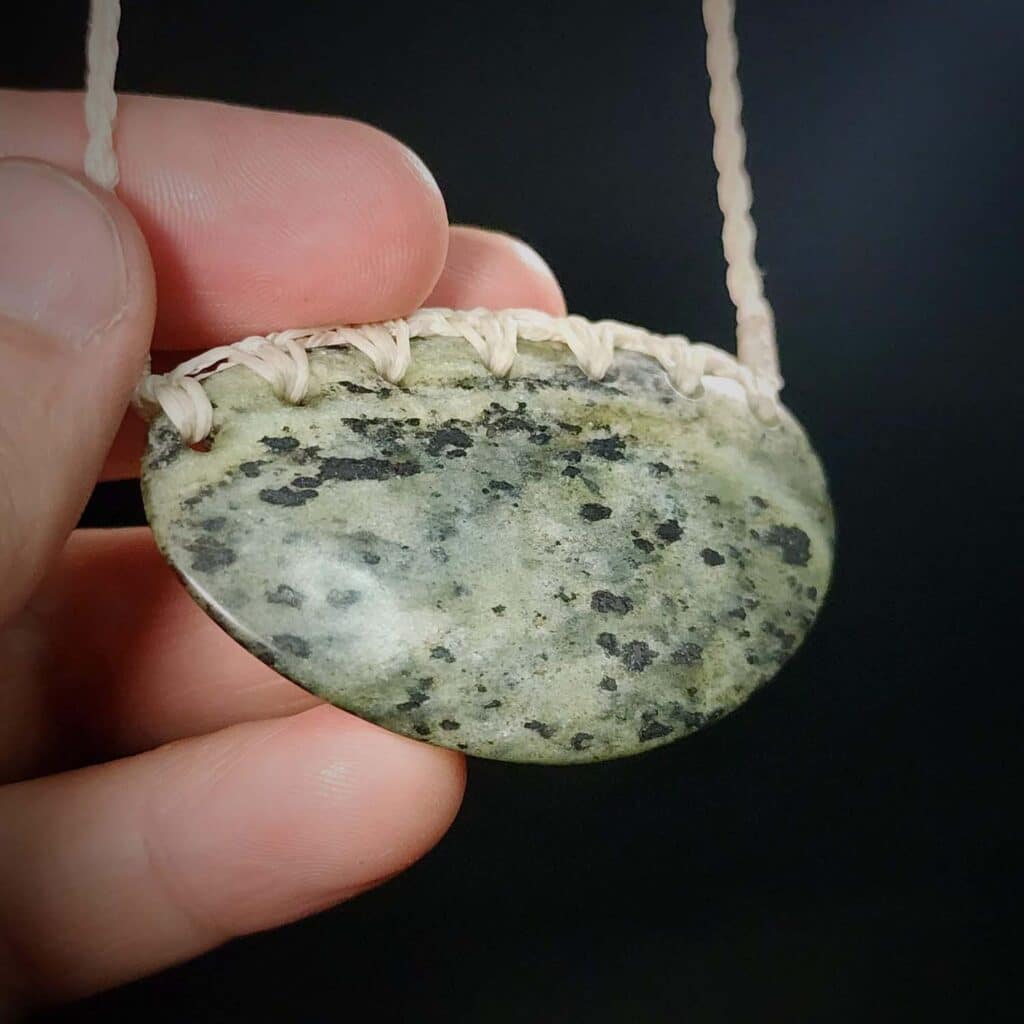
This taonga is a Kōuma, a breastplate carved from Kokopu Pounamu. Measuring 6cm wide and 4cm high, it carries deep significance as a symbol of inner strength, resilience, and guardianship. Resting against the chest, the Kōuma protects the wearer, much like the sternum shields the heart.
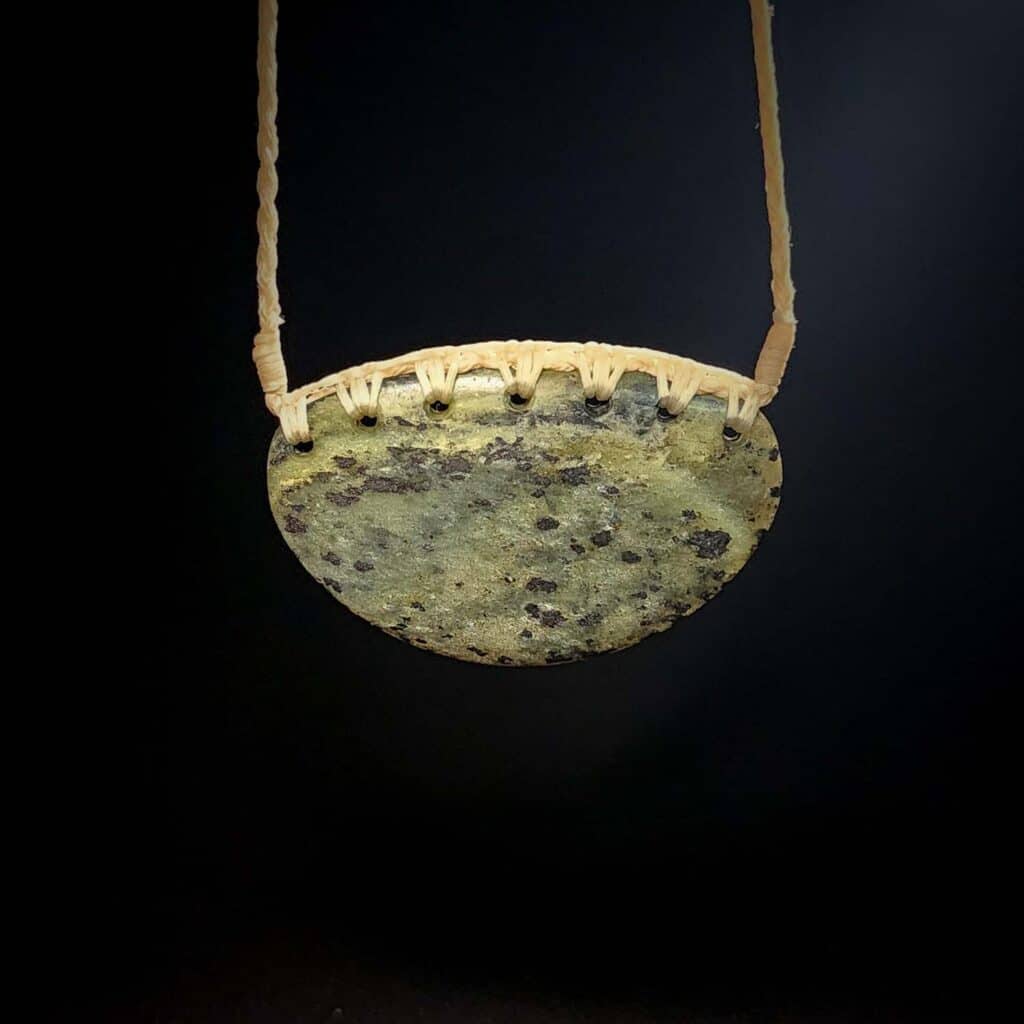
Kokopu Pounamu is named for its resemblance to the native Kokopu fish, with its dappled patterns of deep greens, earthy golds, and speckled dark spots. This stone is known for its grounding presence, connecting the wearer to Te Taiao, the natural world, and the wairua (spirit) of the whenua from which it comes.
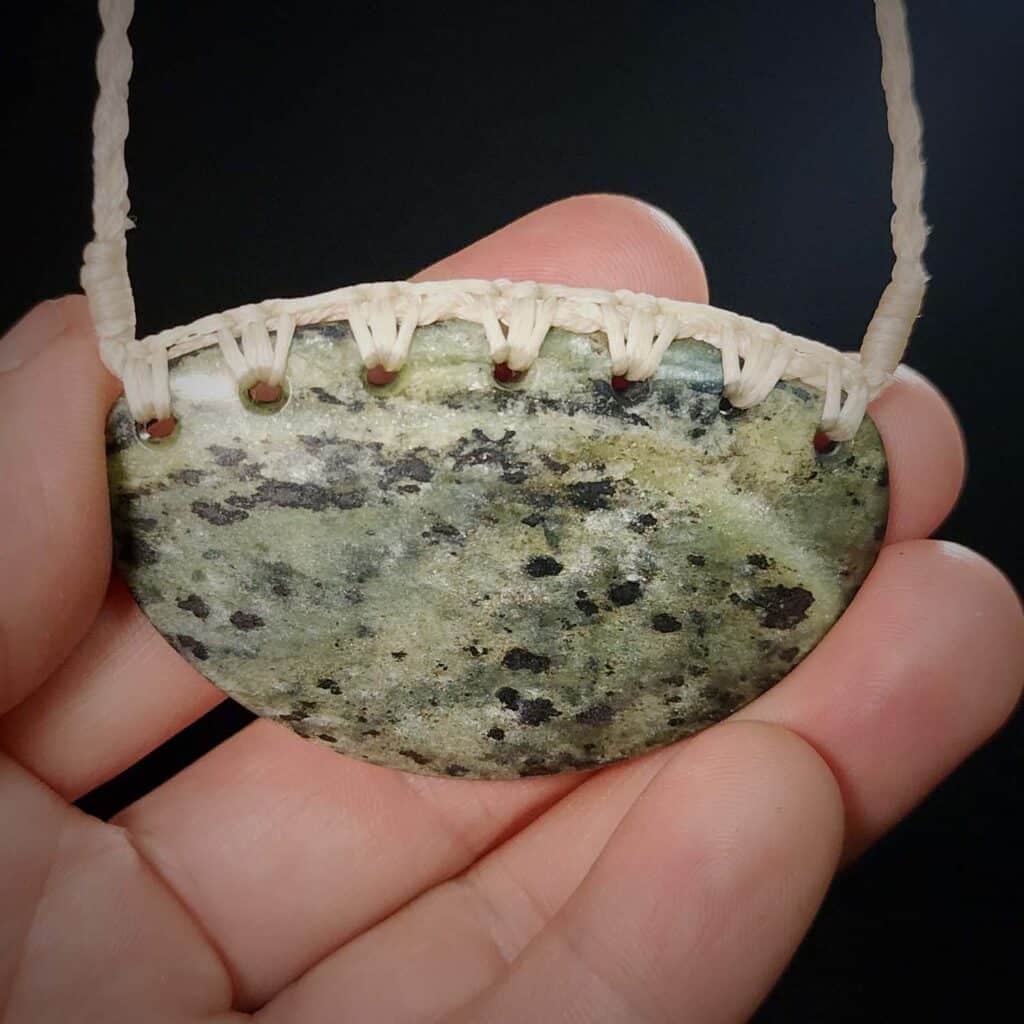
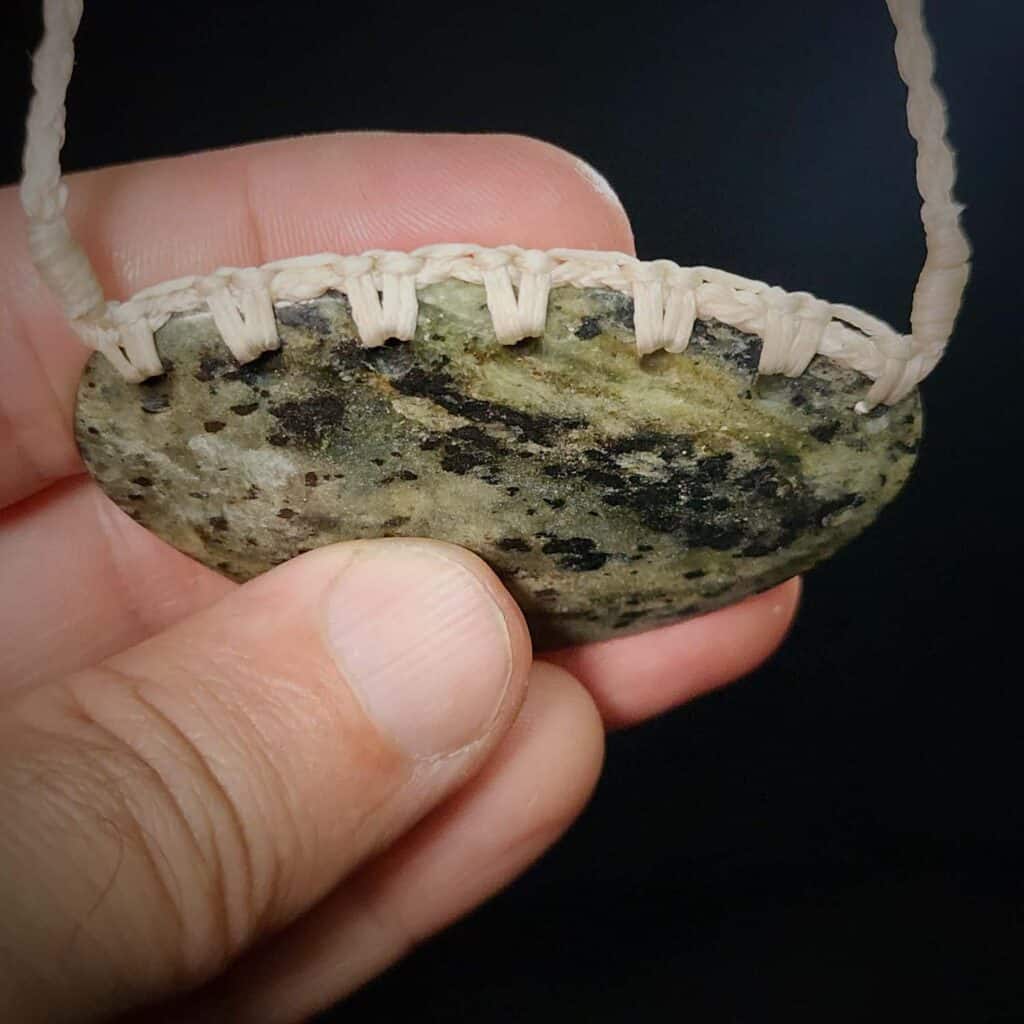
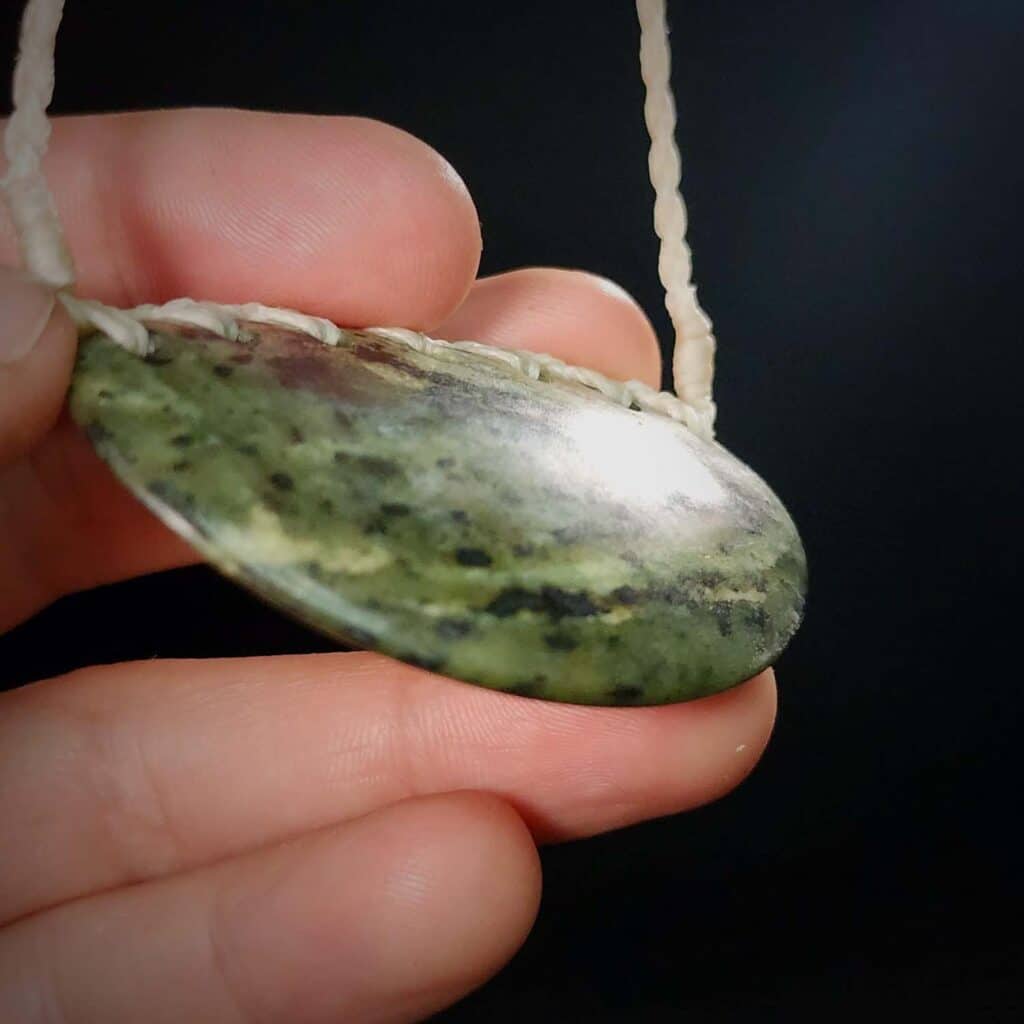
The lashing across the top features a white ringbolt design, a striking contrast against the stone’s natural depth. This technique is both strong and intricate, symbolising connection—each thread binding the past, present, and future together. The four-braid cord reinforces this idea of unity, resilience, and whakapapa, ensuring this taonga remains steadfast and enduring.
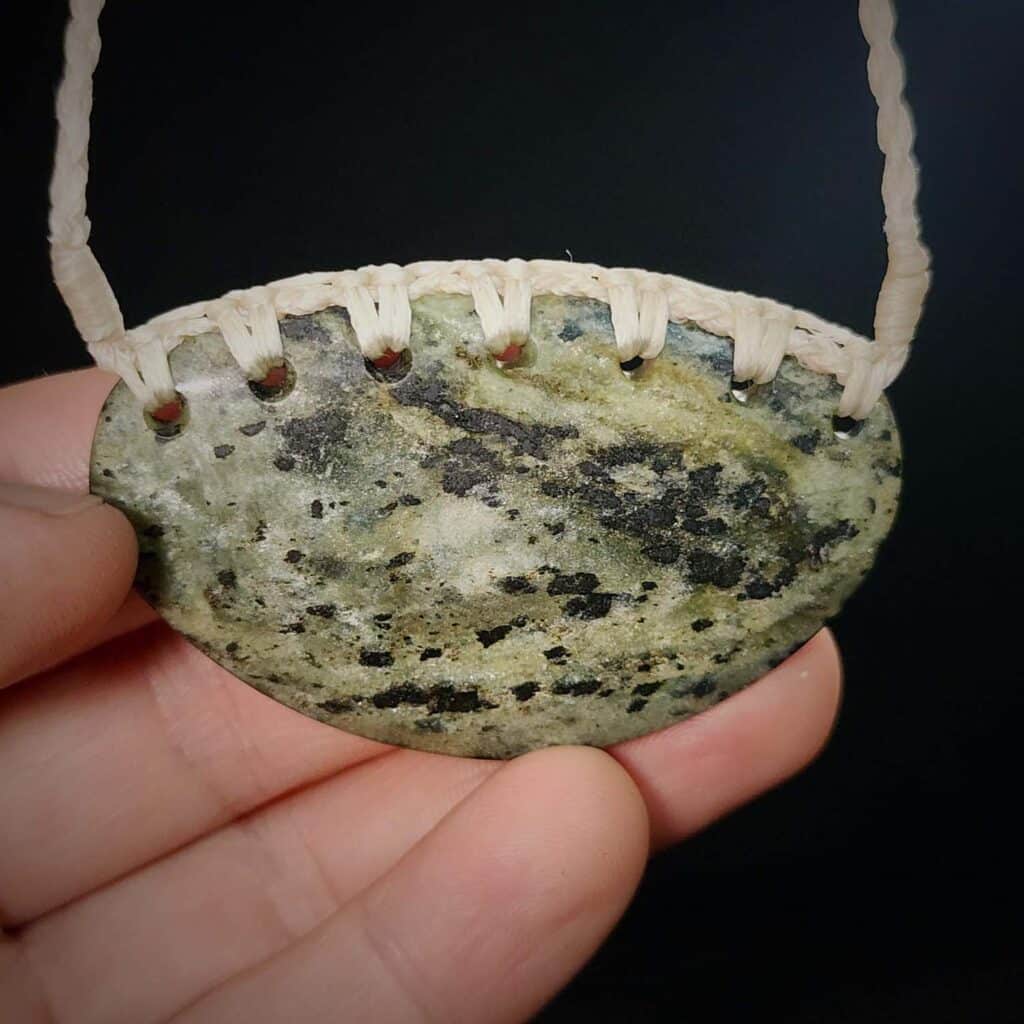
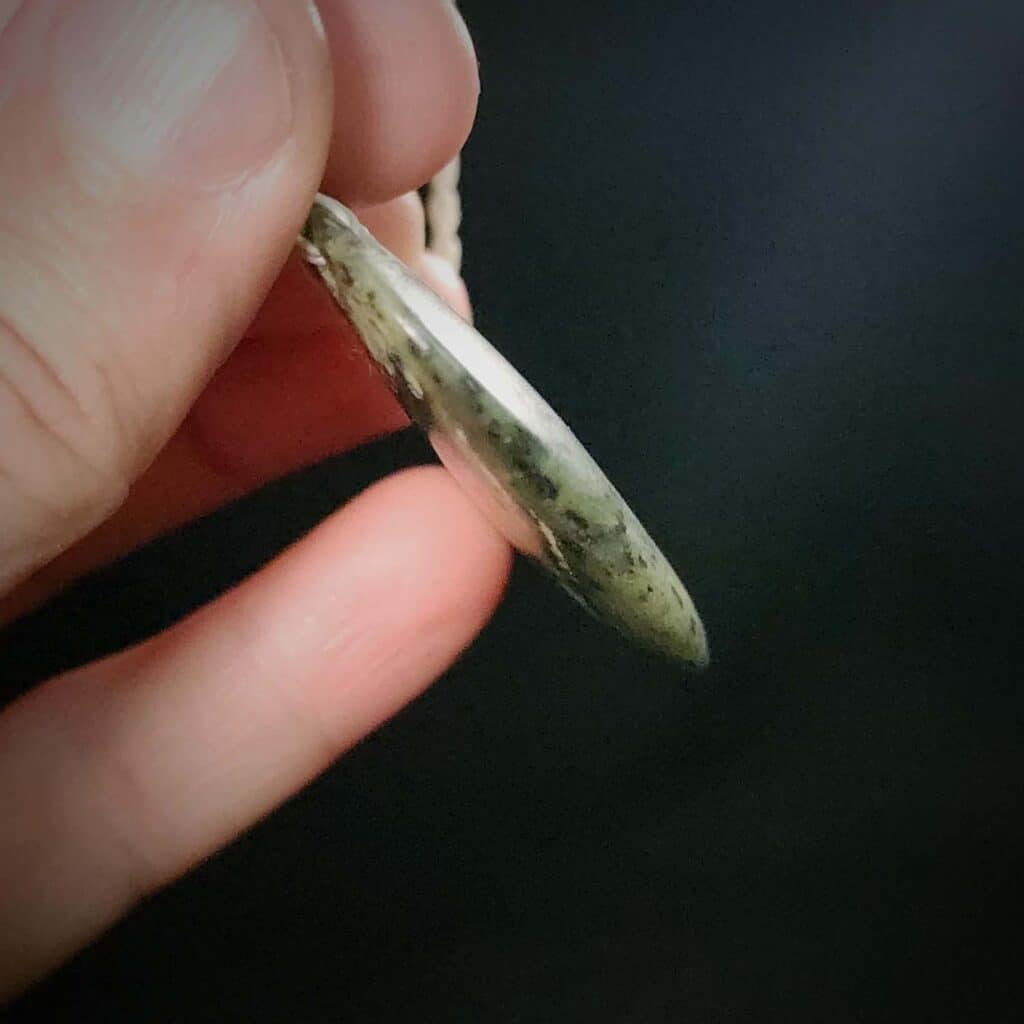
For the wearer, this Kōuma is more than adornment. It is a shield, a connection to tūpuna (ancestors), and a statement of courage. It reminds us to stand firm in who we are, to protect what we value, and to move through life with both strength and grace.