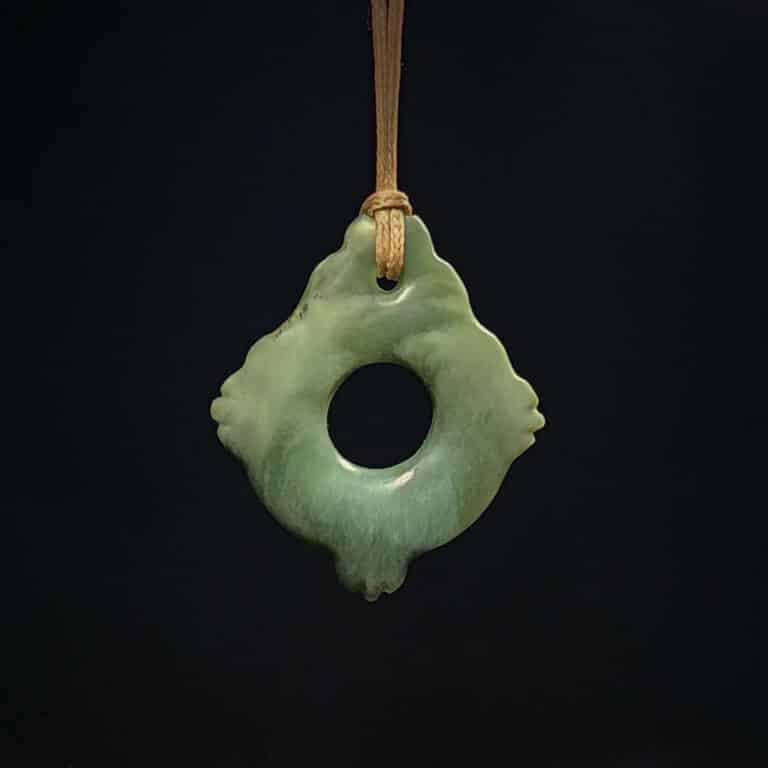
Ko John Tēnei – Hei Tiki
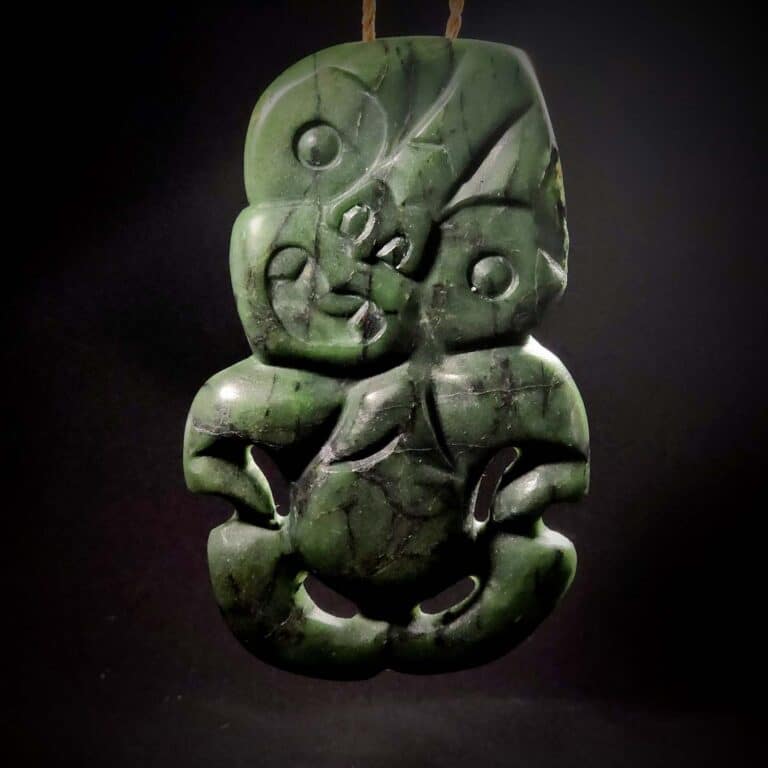
John got in touch with me because he had a strong desire to carve a Hei Tiki. He had never carved pounamu before, but he had done some wood carving and had a clear creative vision. He knew what he wanted the finished taonga to look and feel like, and together we spent a good amount of time planning out the design and deciding which features mattered most.
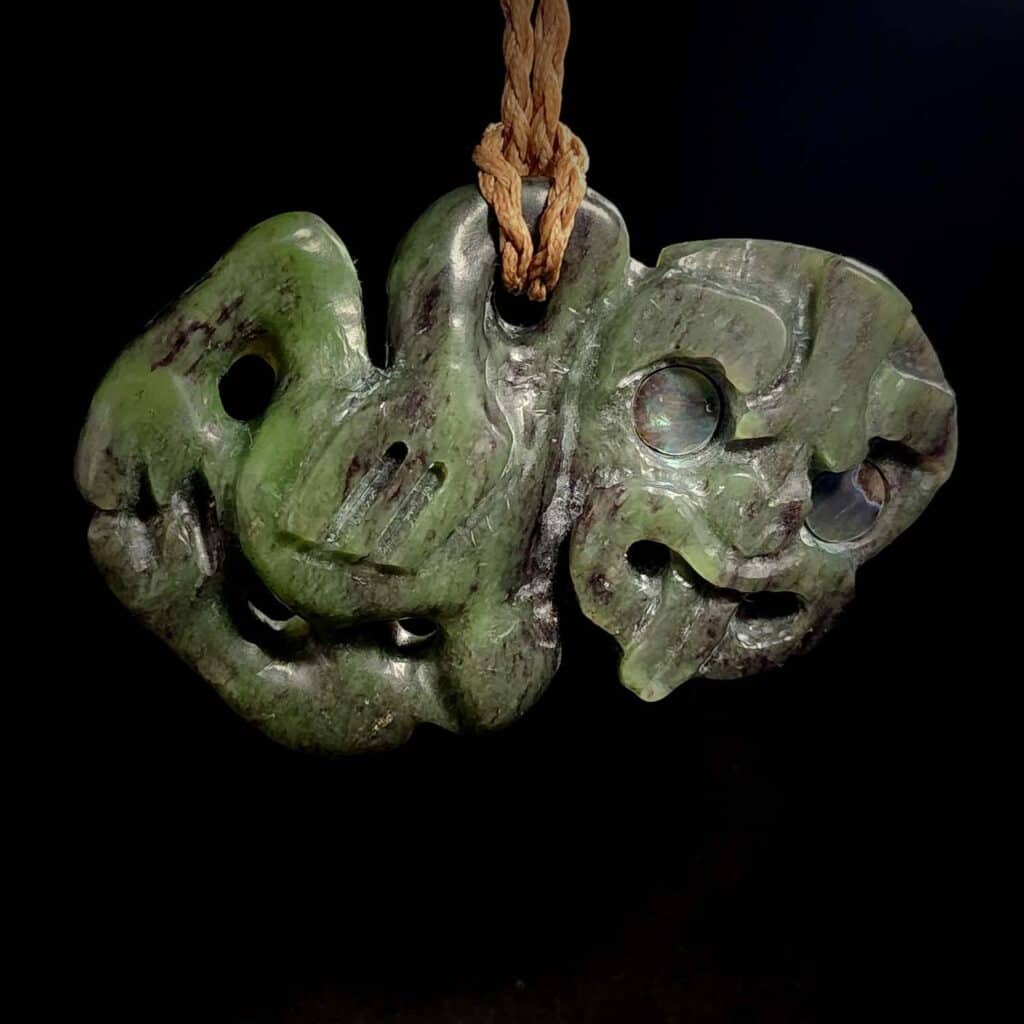
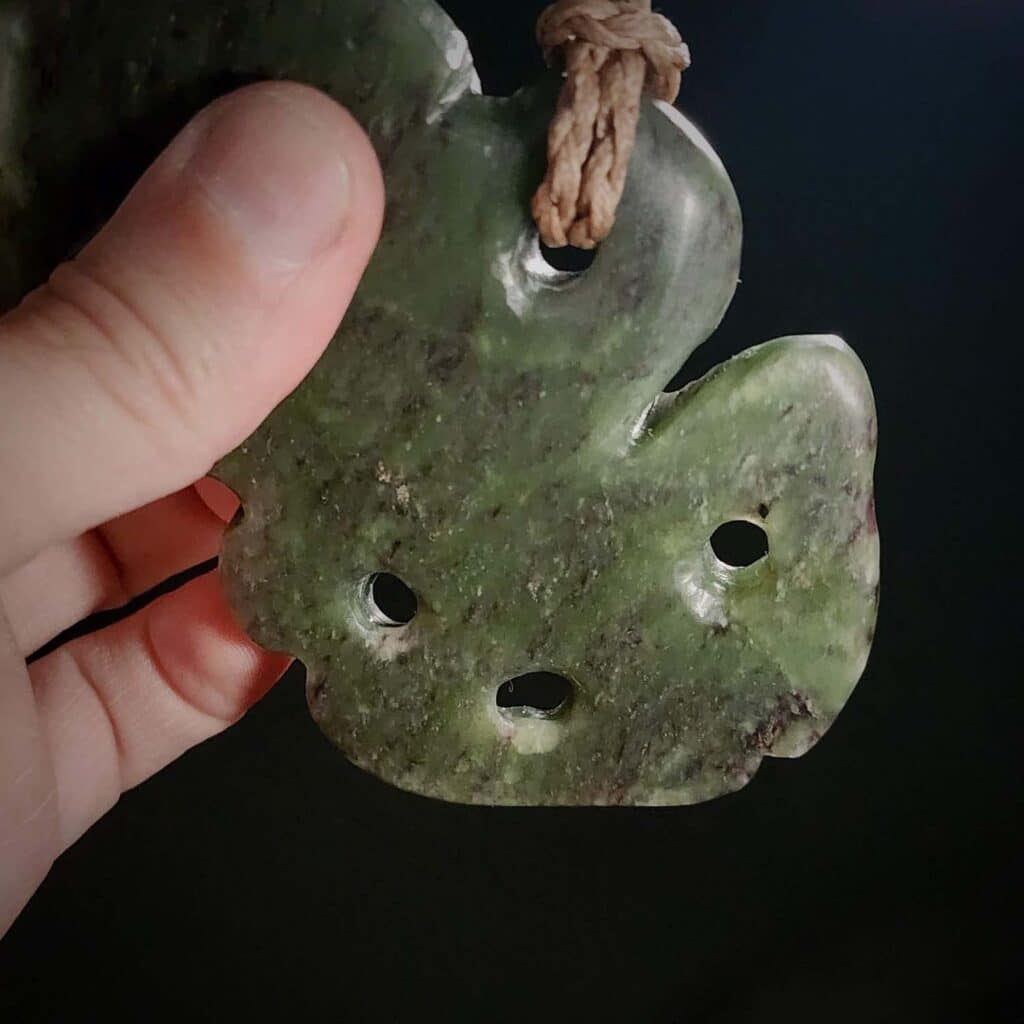
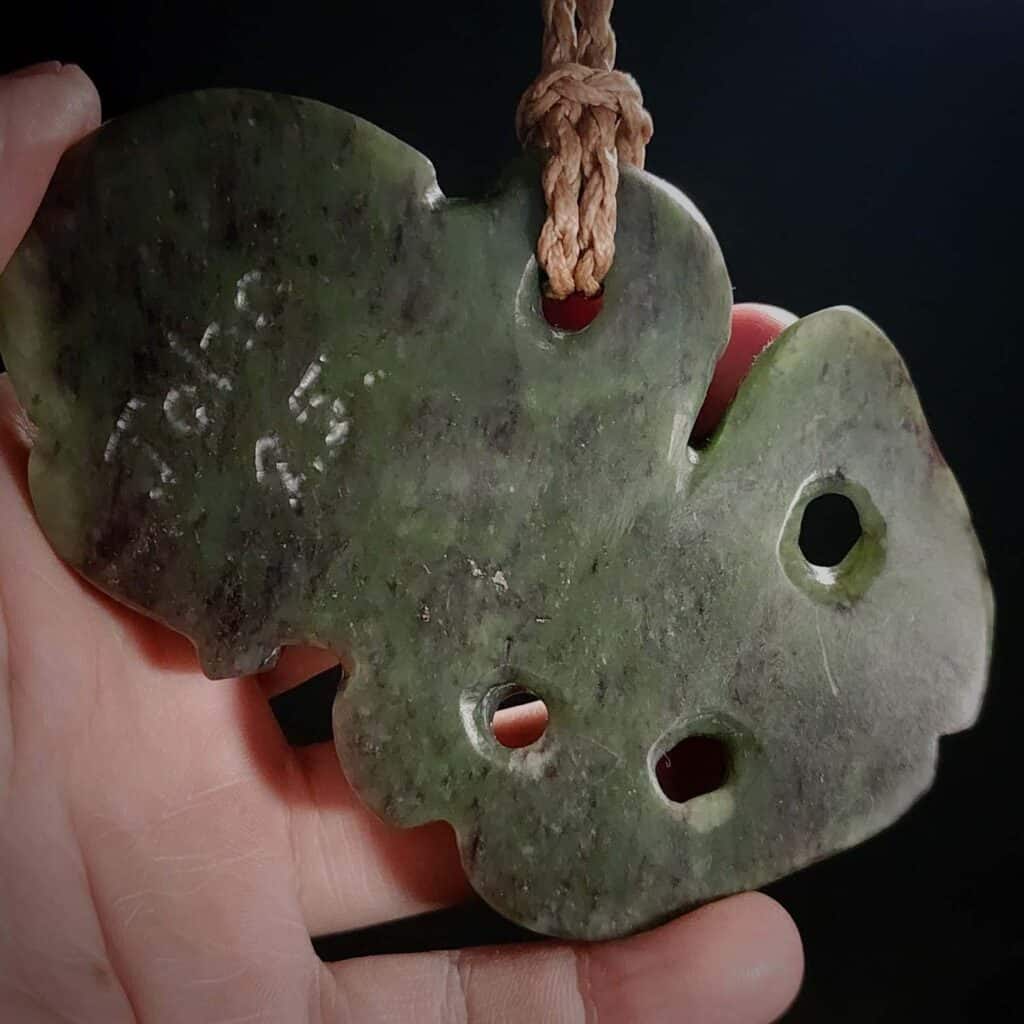
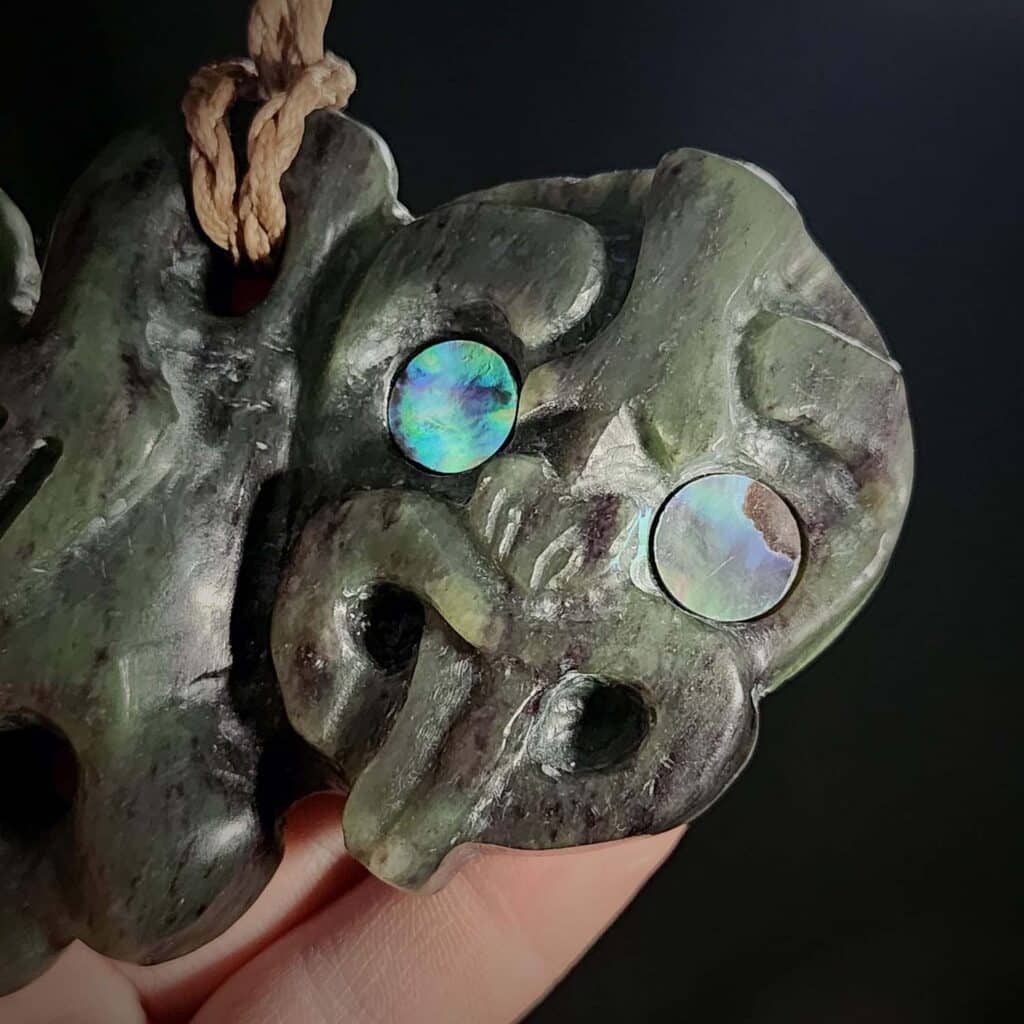
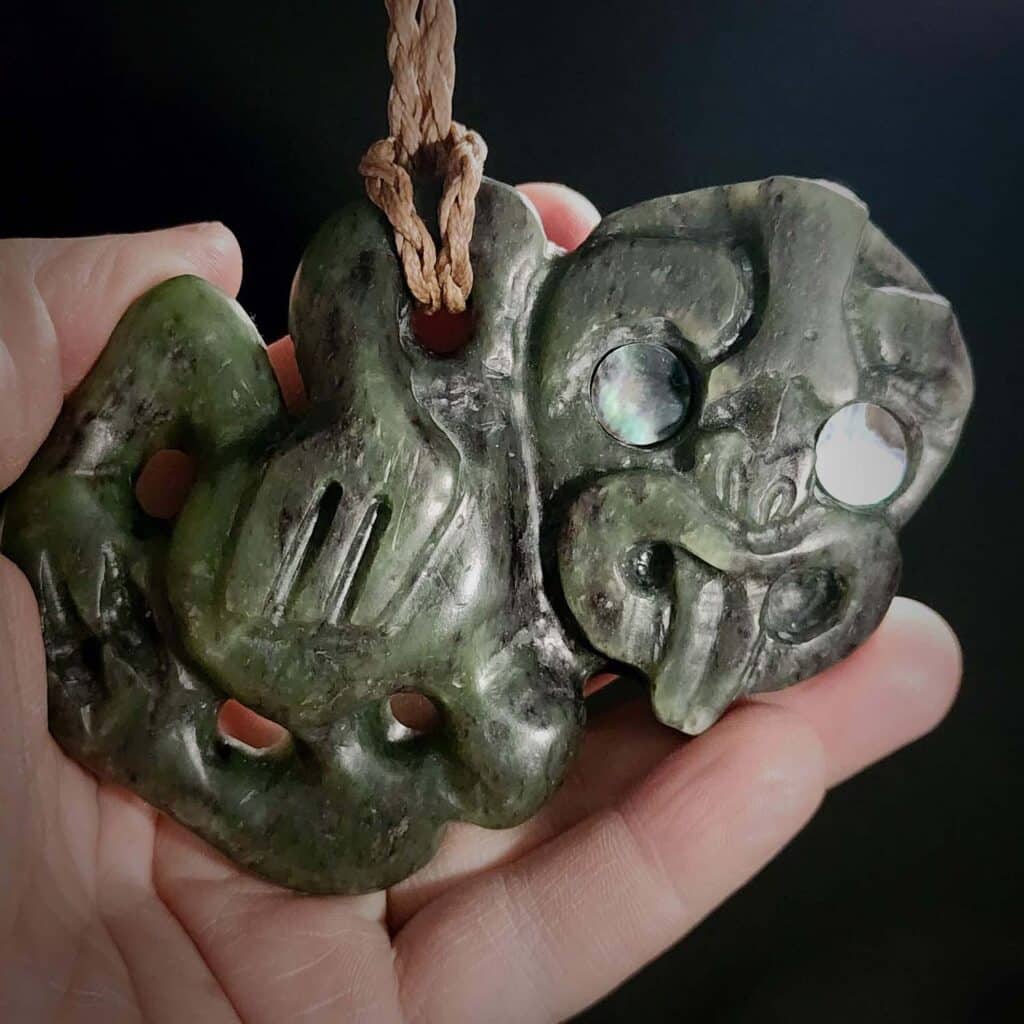
We started with a thick slice of Kawakawa Pounamu from South Westland – also known as Hapopo. It’s a rich green stone with deep reddish-brown Totoweka colouring that shows through when held up to the light. This gave us enough depth to carve strong, bold features that really stand out.
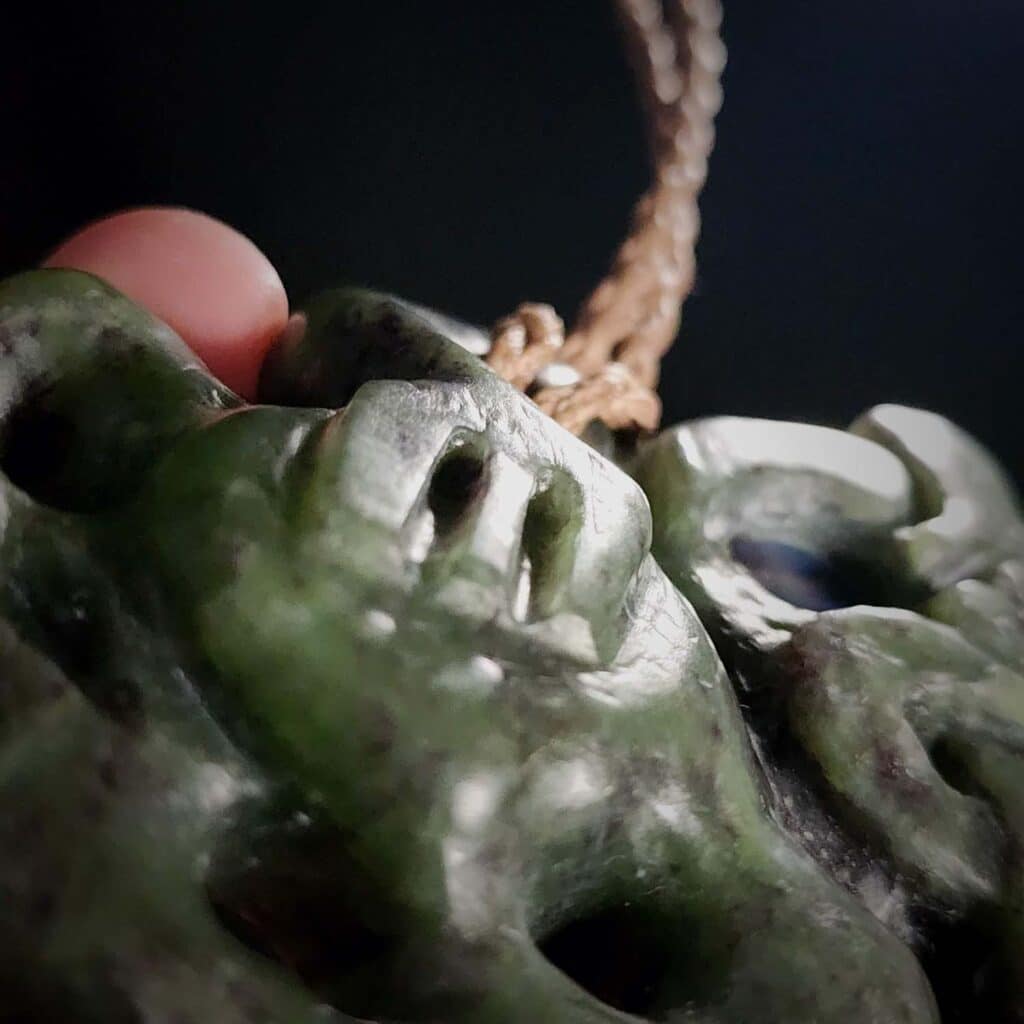
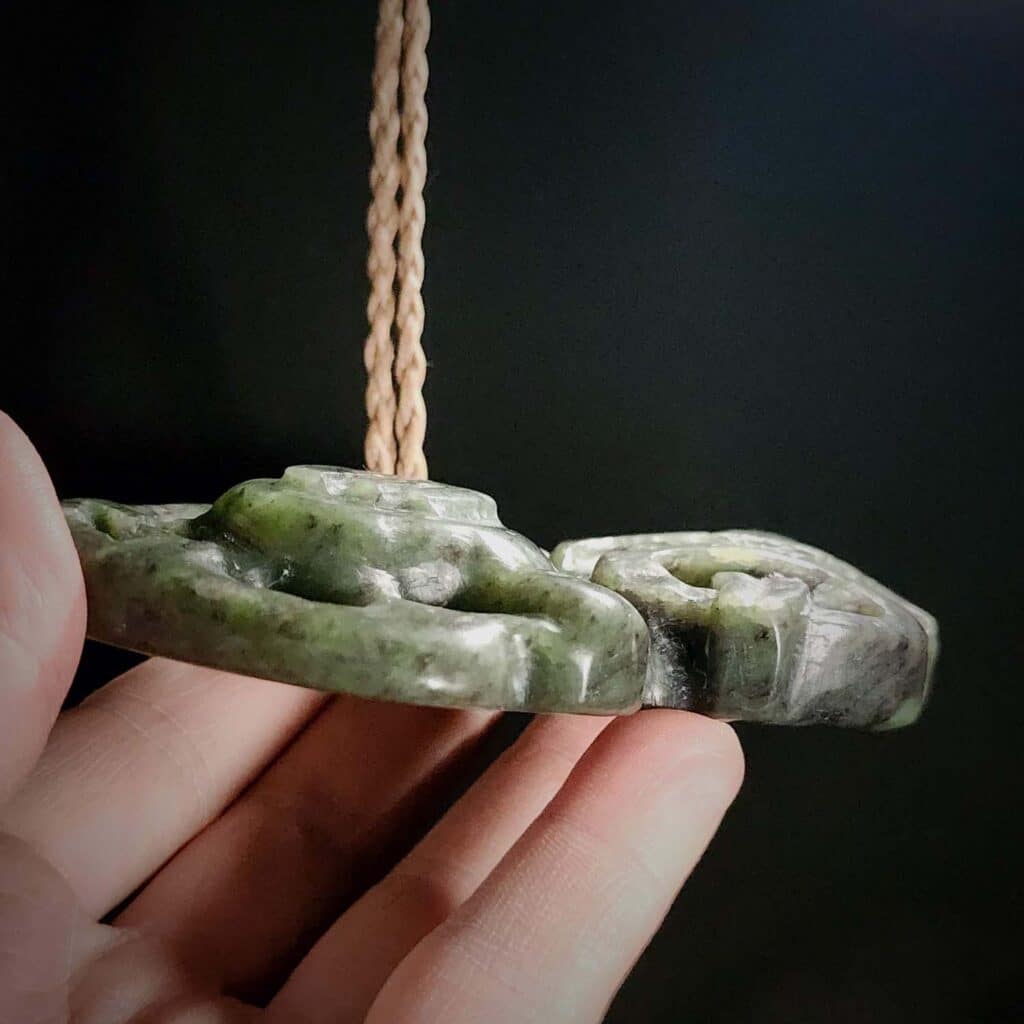
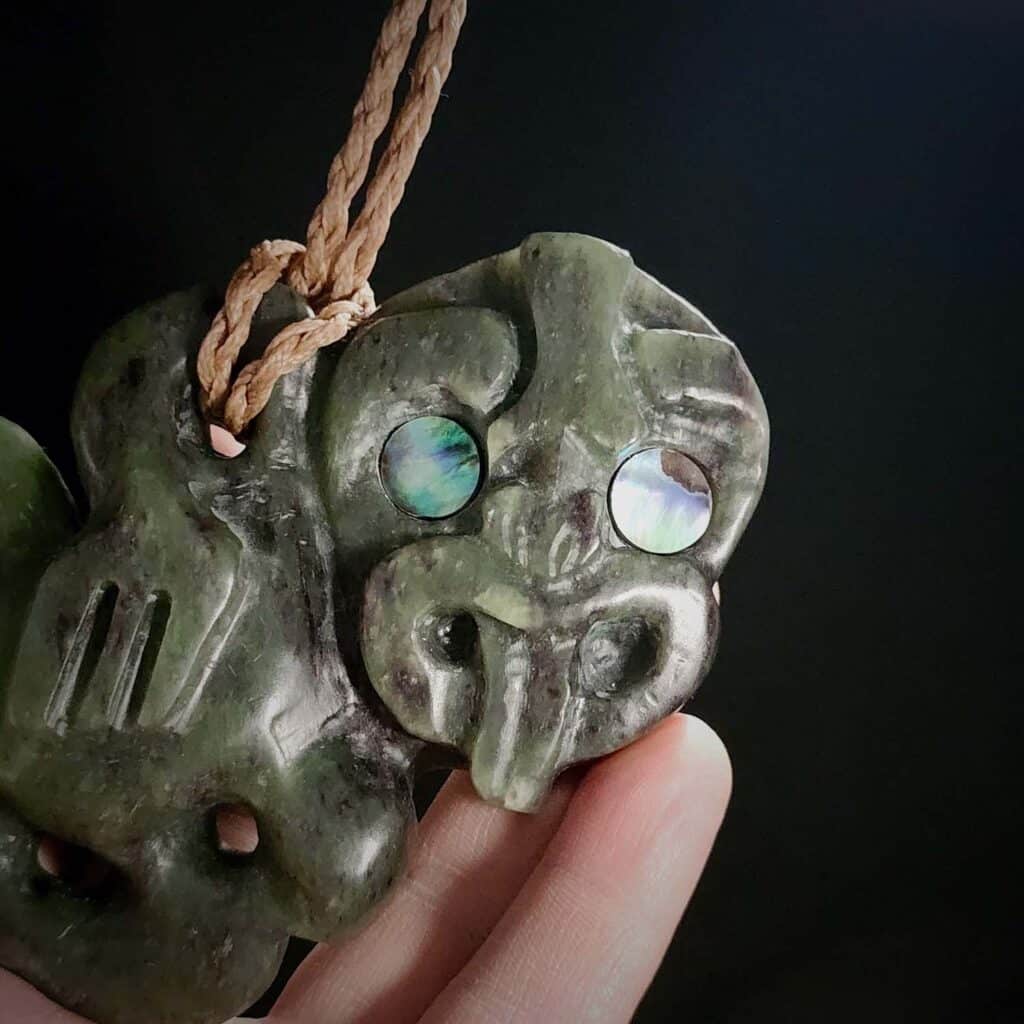
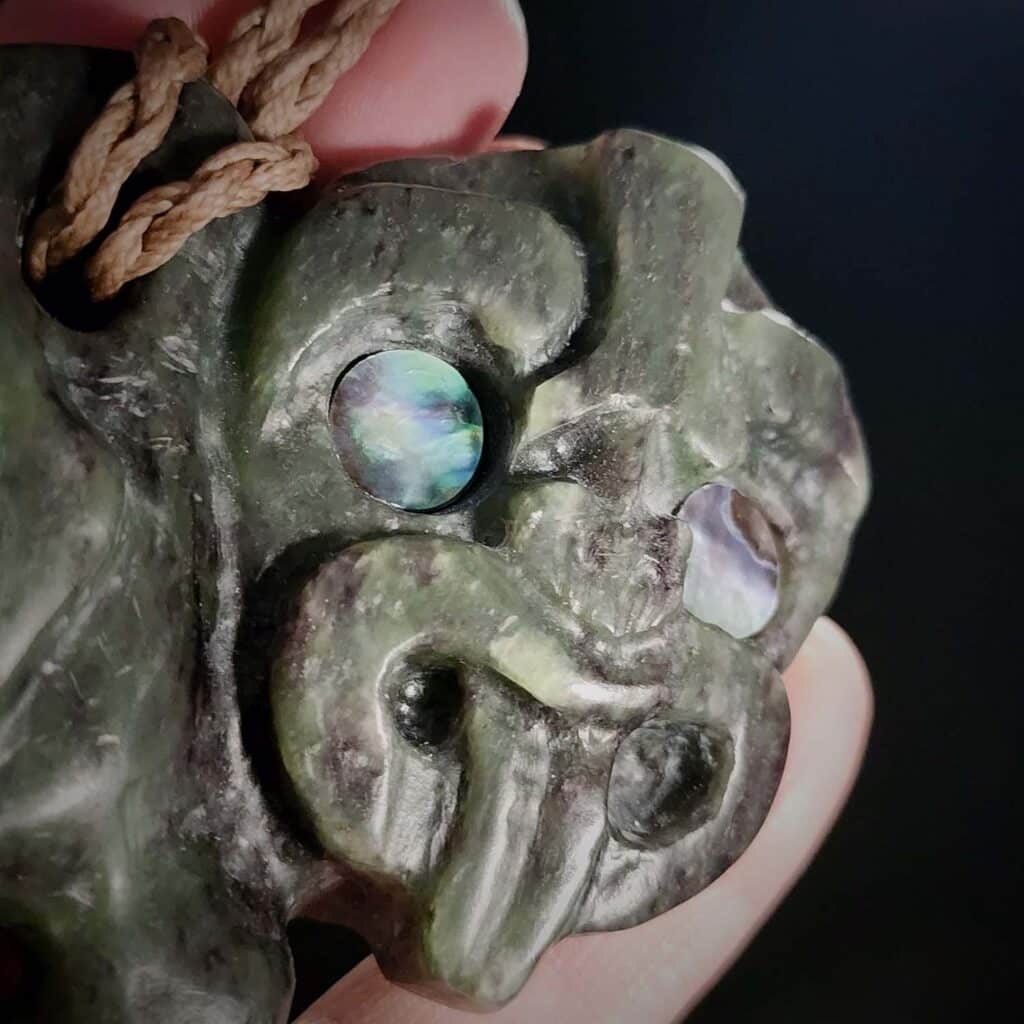
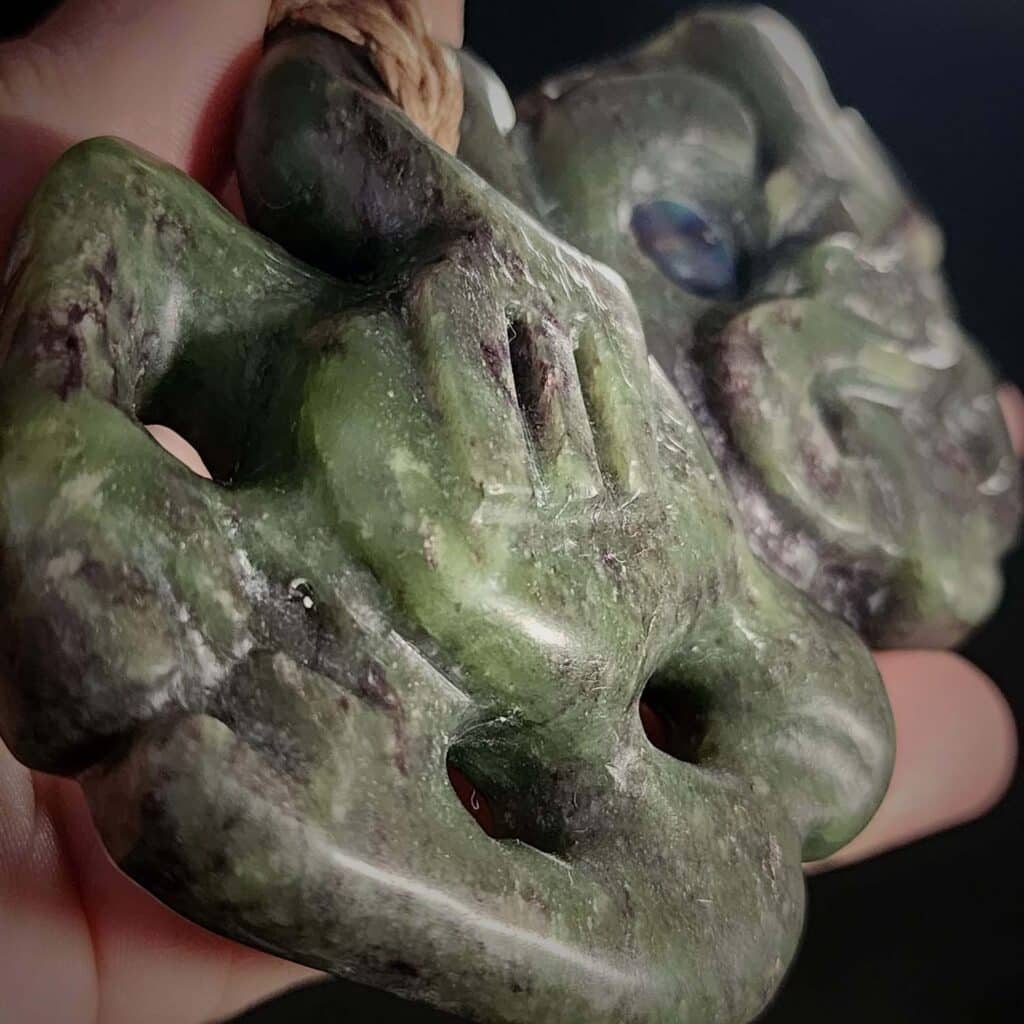
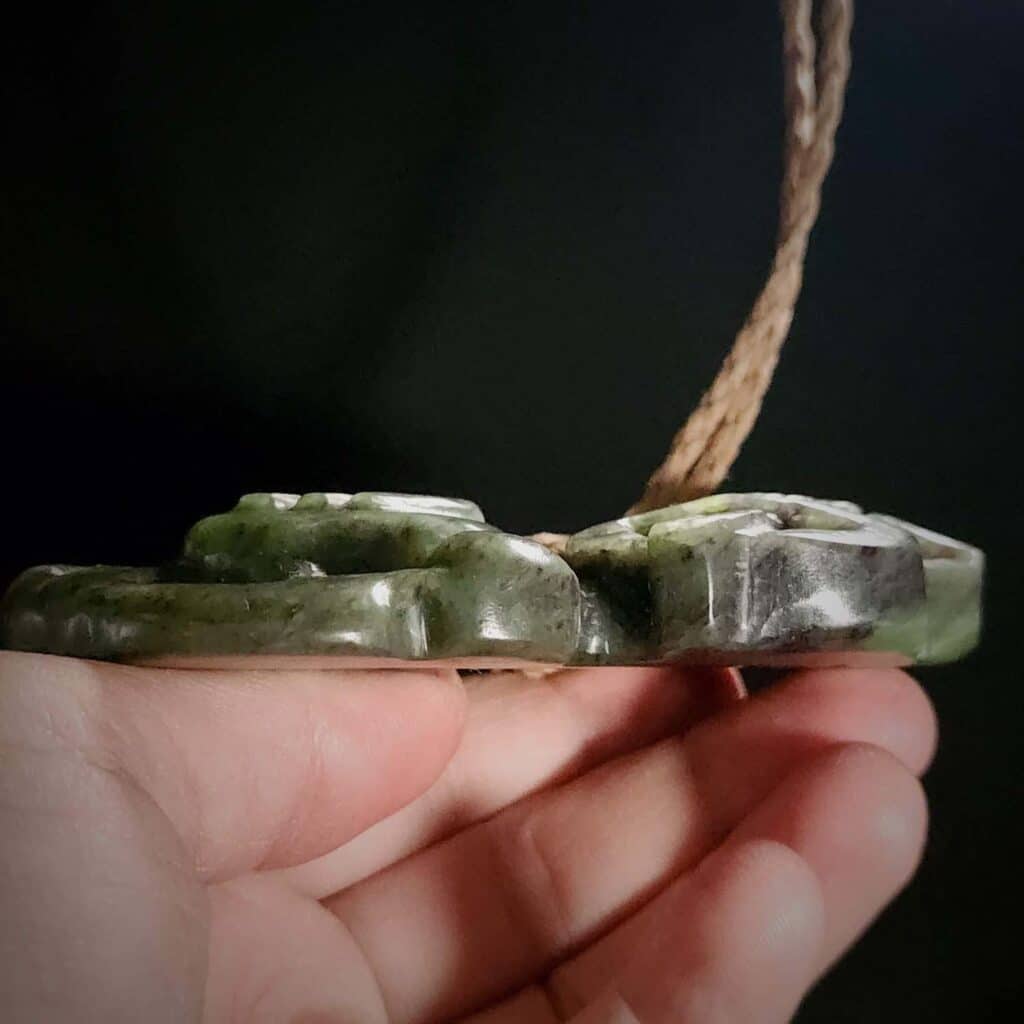
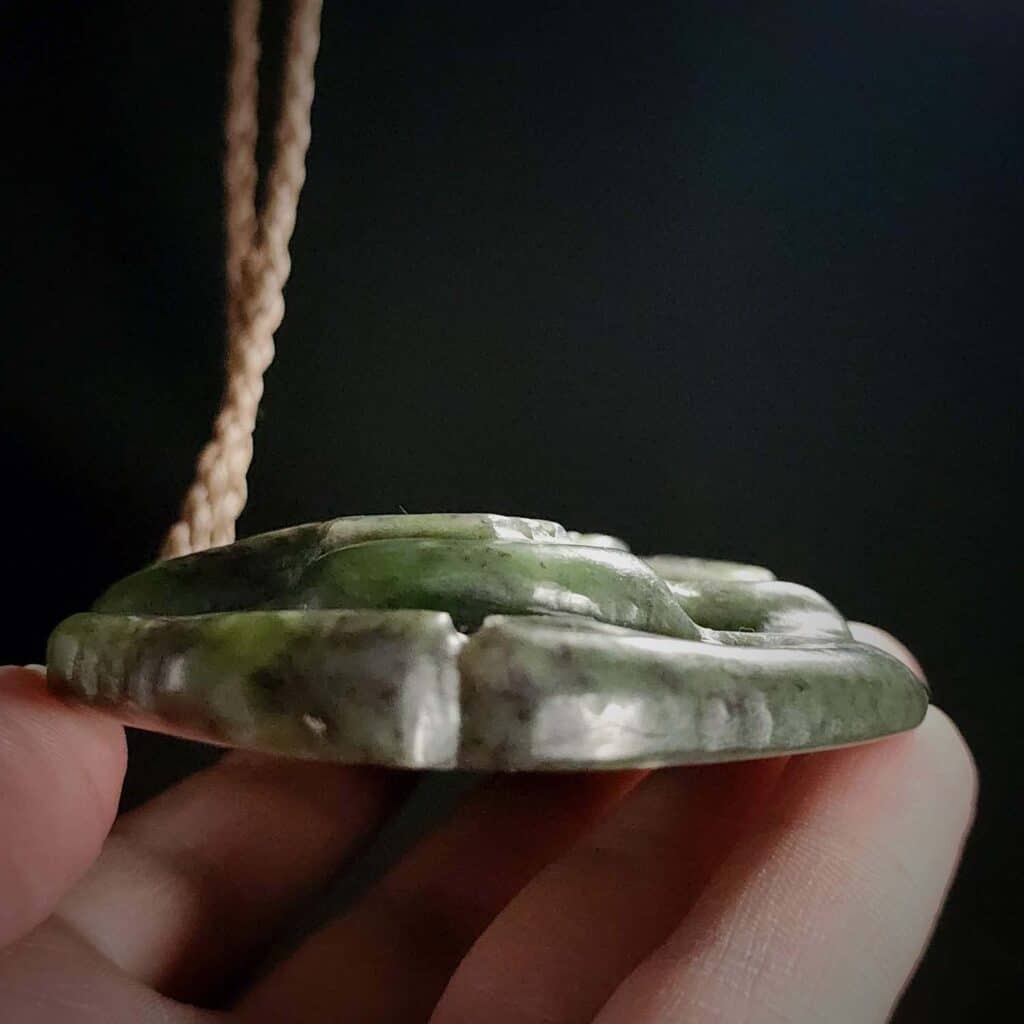
The key parts of John’s design were a high right shoulder, so the tiki would naturally hang sideways, two solid pāua shell inlays for the eyes, a protruding tongue, a big rounded belly with real depth, and one hand stretching across the belly. Each of these elements took time, care, and effort to bring to life. The final piece stands 11cm tall from head to toe.
John and I spent three full days together carving. These sorts of collaborations are always a bit of a gamble – you never know exactly how the stone will behave or how someone will go carving it. But John showed real patience and commitment, and he worked hard the whole way through. The end result speaks for itself. It’s a bold, powerful piece with real personality.
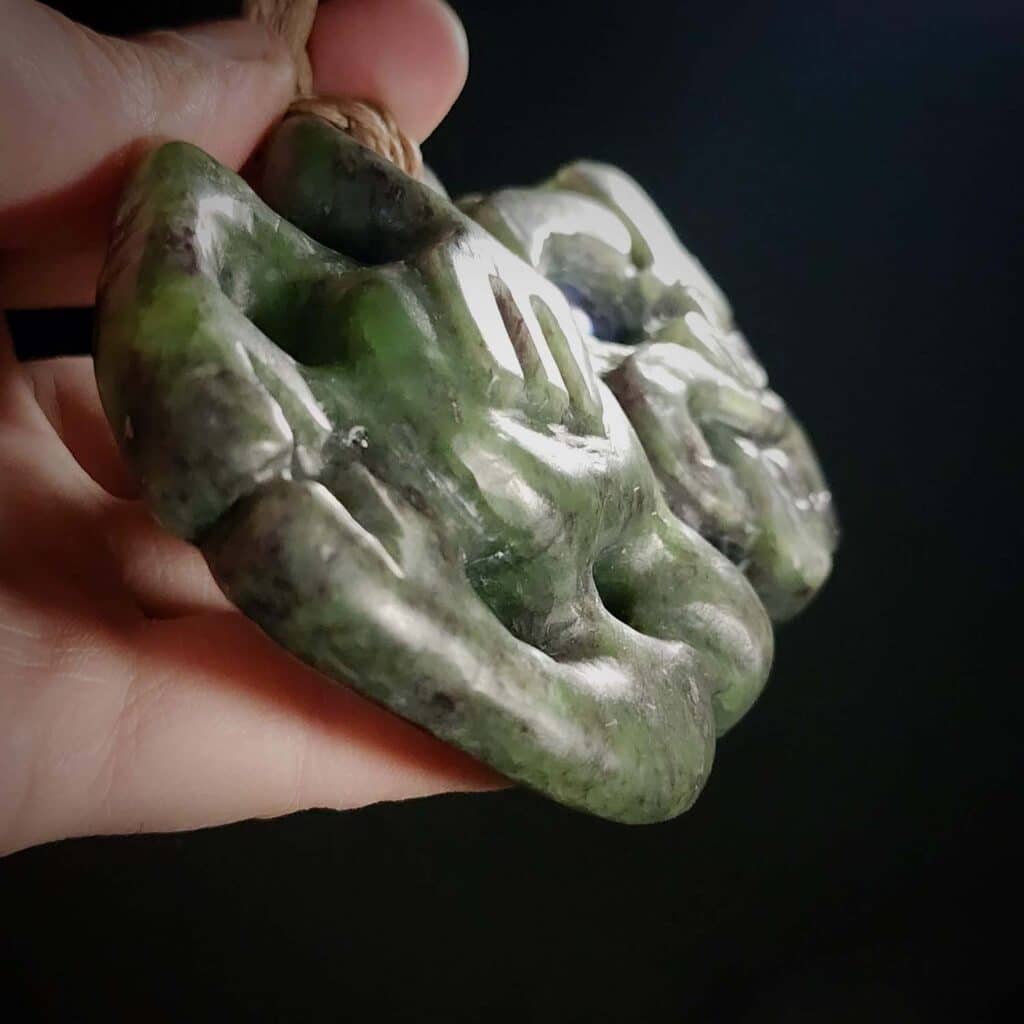
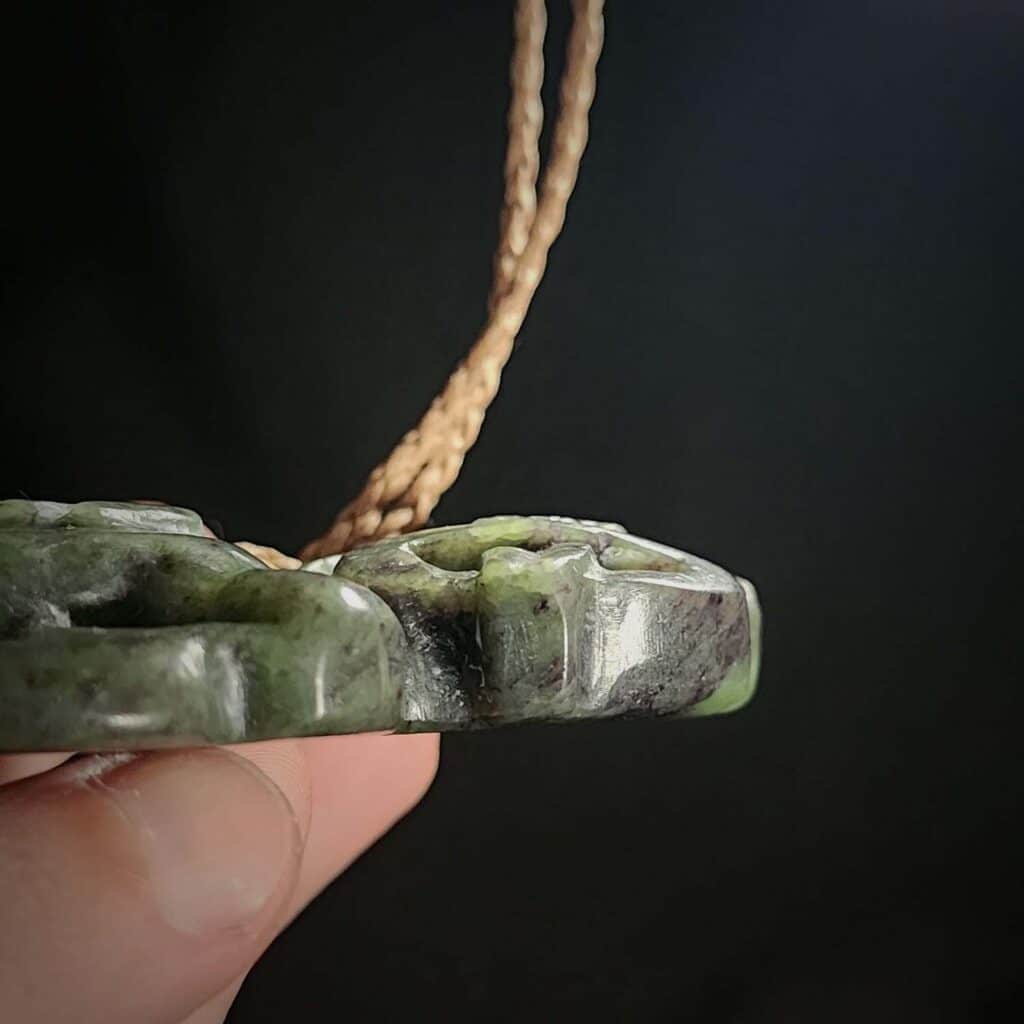
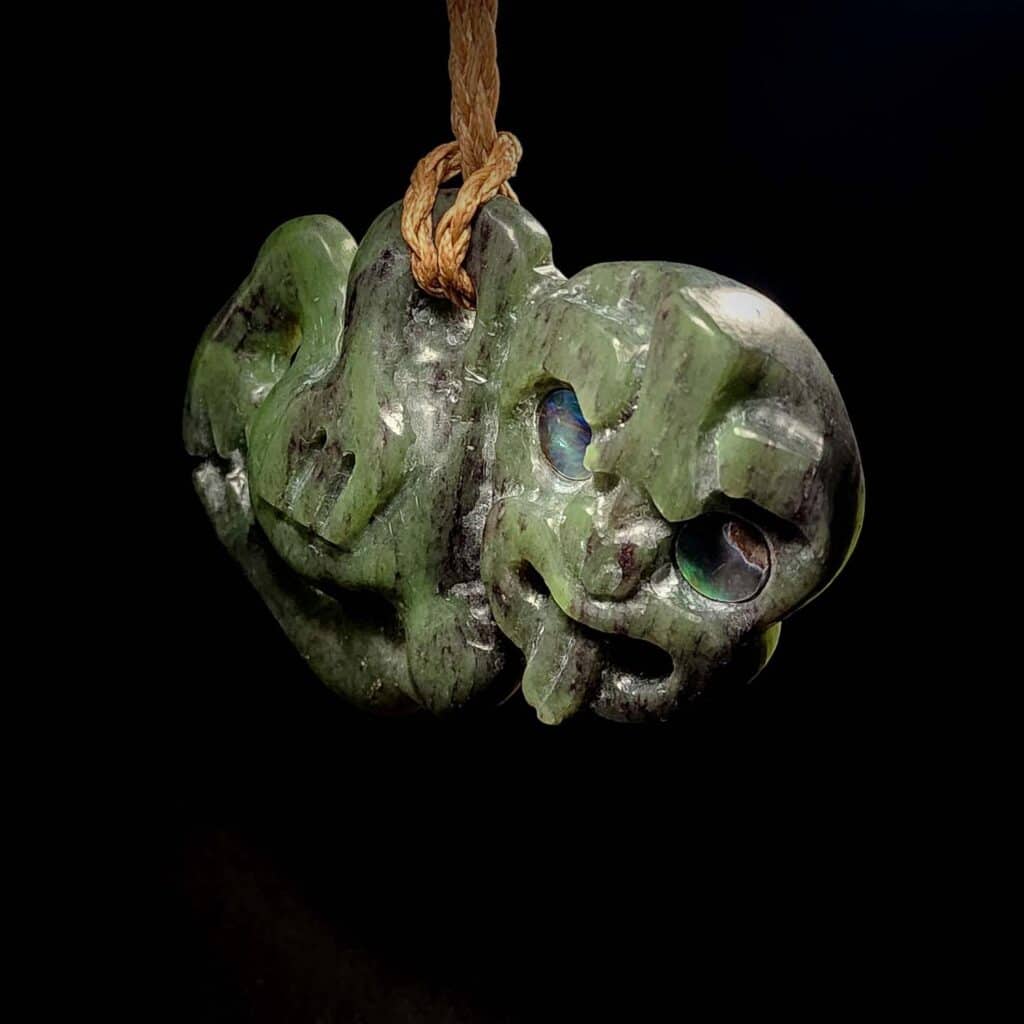
The Hei Tiki is one of the most recognised forms in Māori culture. Traditionally, it is thought to represent a human ancestor and is worn as a symbol of fertility, protection, and connection to whakapapa. It’s often seen as a vessel for ancestral strength and guidance, passed down through generations. Carving a Hei Tiki is always significant, and for John, creating one with his own hands from stone he helped shape was a powerful experience.
This collaboration was a reminder of why I love this work – sharing space and story with others, and seeing what can come out of a block of stone when someone really puts their heart into it. John hopes this taonga will become an heirloom for his whānau, treasured by his descendants as Hei Tiki have been for generations.