Whakapiringa
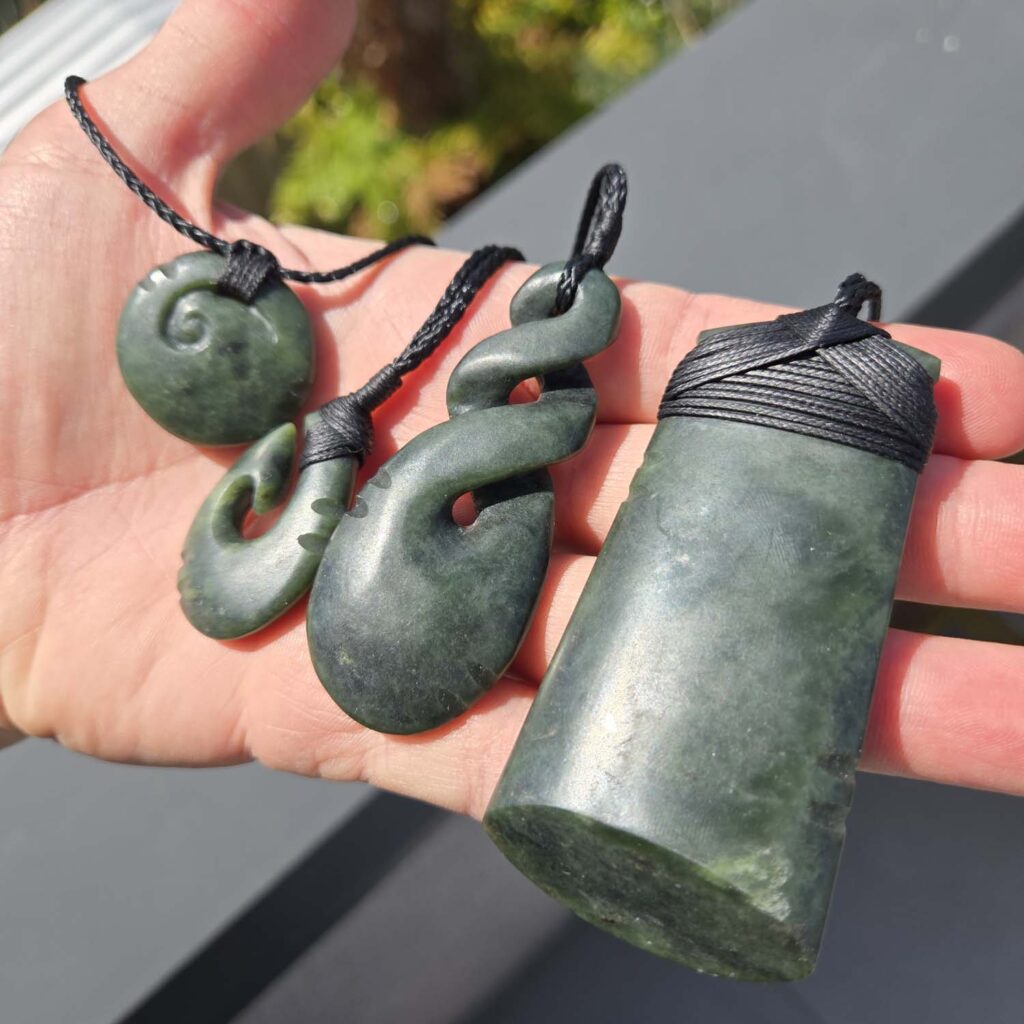
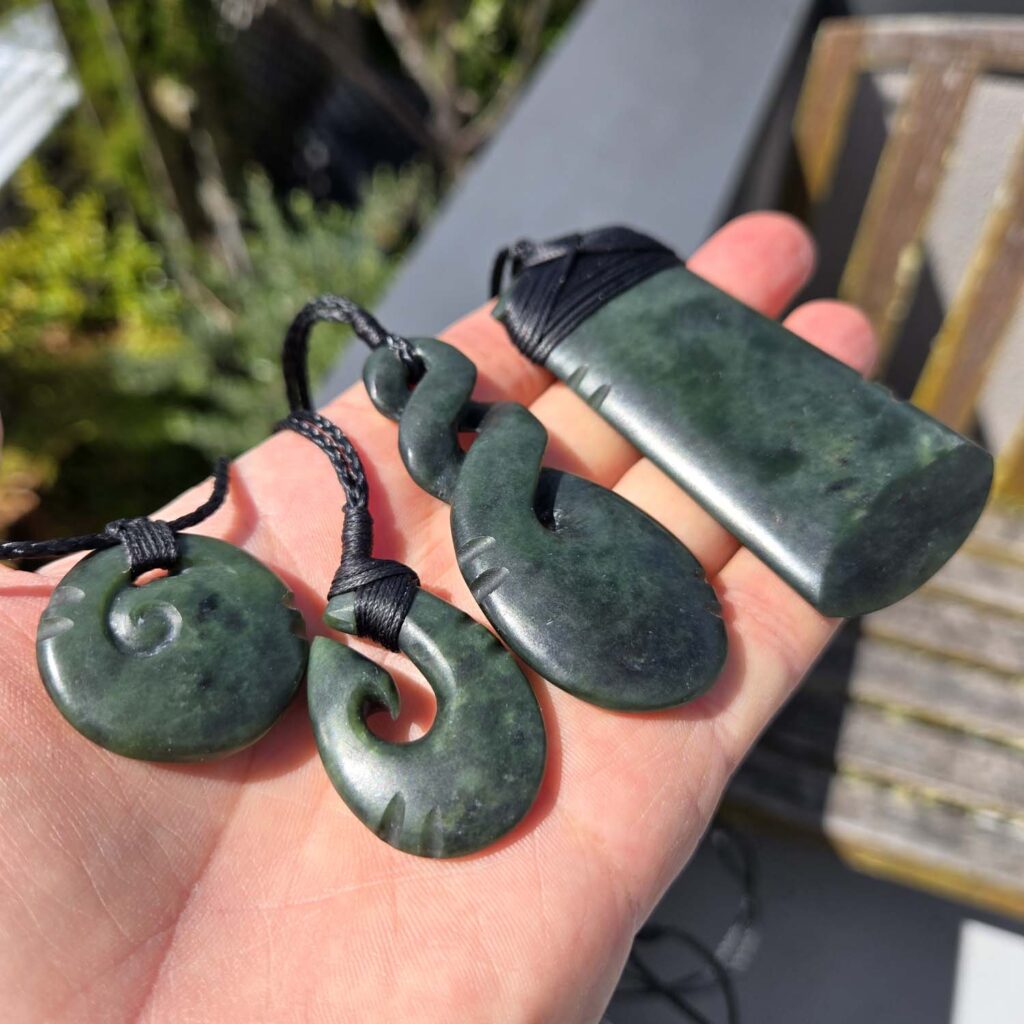
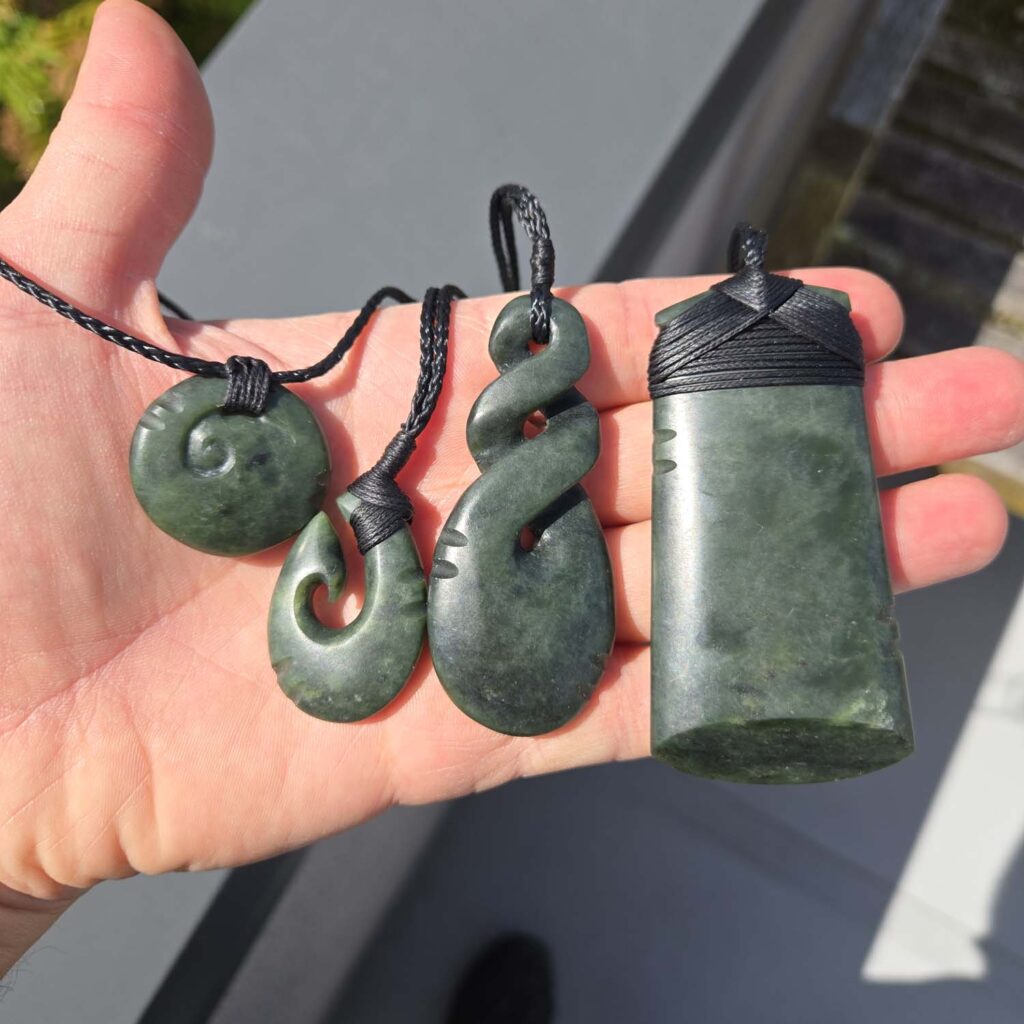
Whakapiringa means to be bound together. This name was chosen to reflect the kaupapa of this whānau set: four individuals, each with their own form and role, all connected through whakapapa, shared stone, and a common story. Every piece in this set was carved from the same block of deep green Kawakawa Pounamu sourced from the Arahura, reinforcing that sense of unity and shared origin. Though each taonga stands on its own, none exists in isolation.
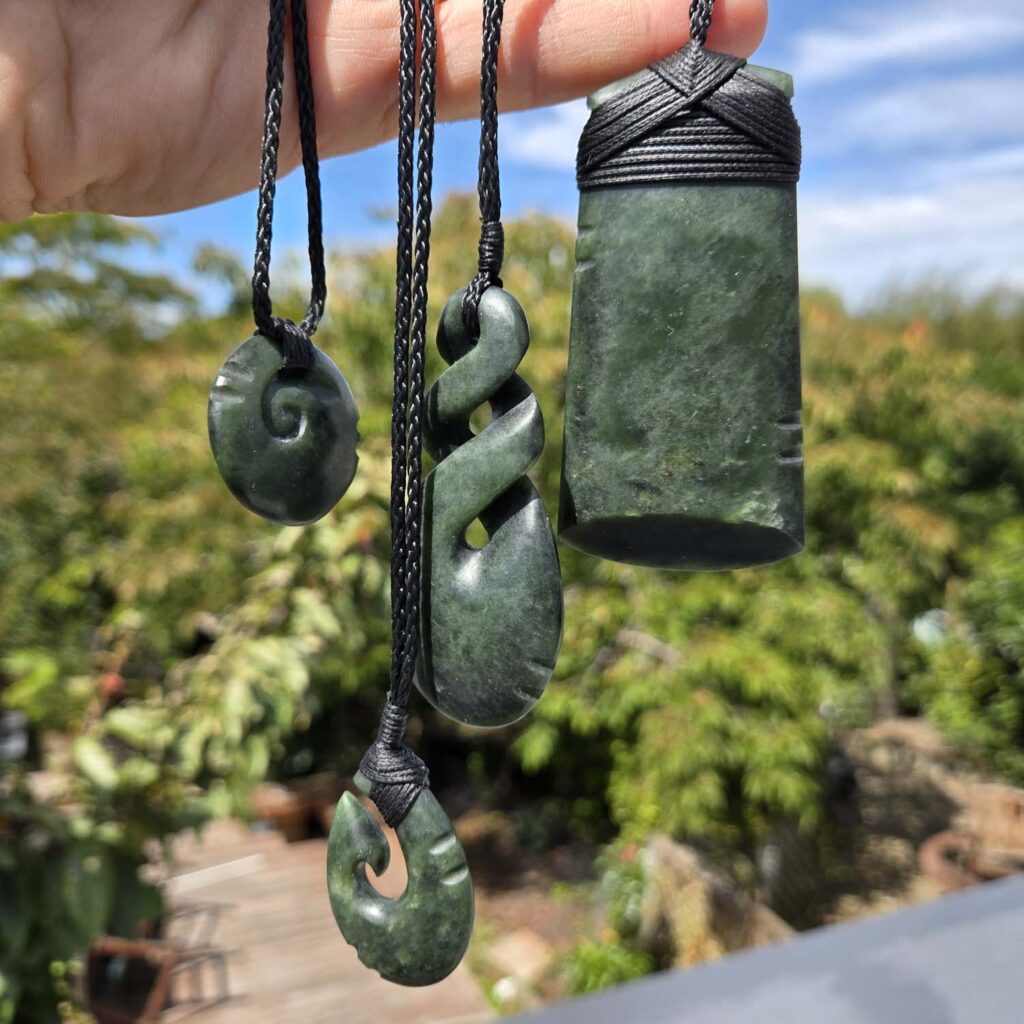
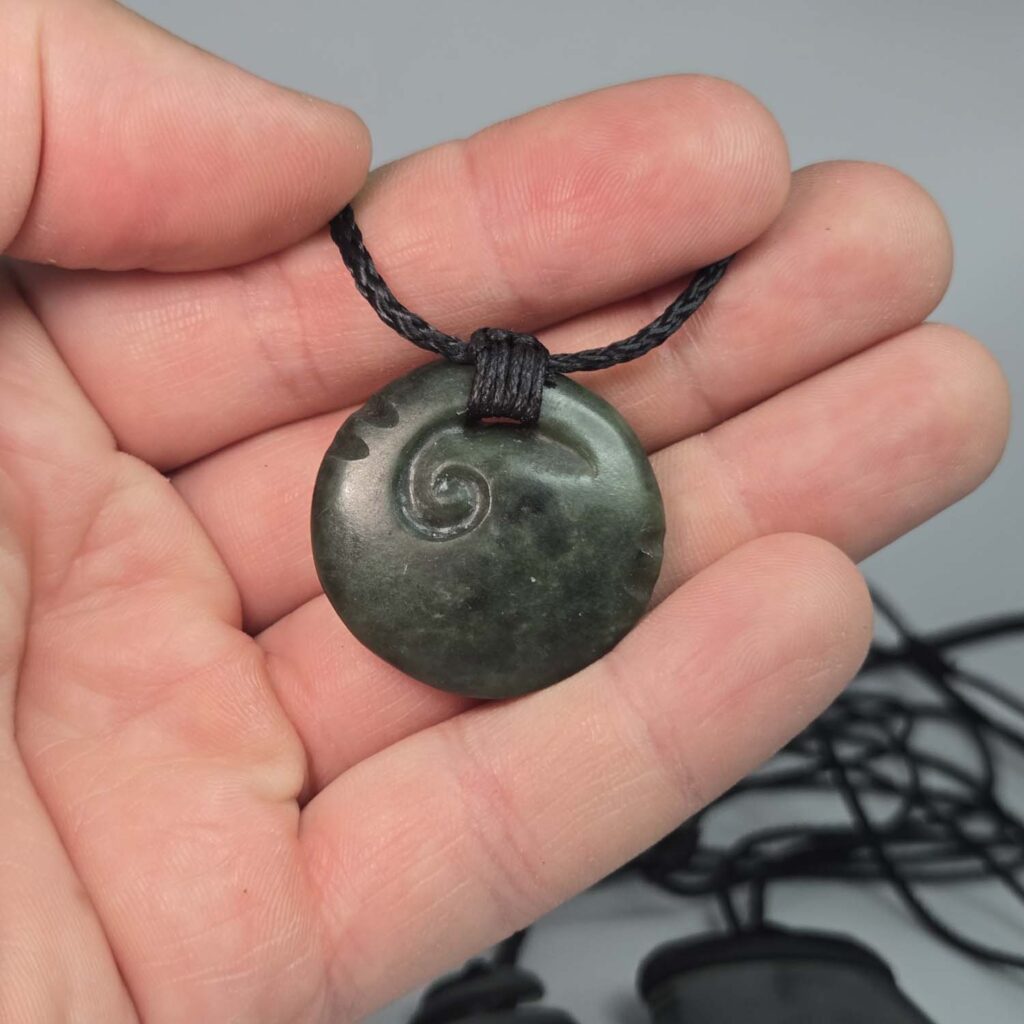
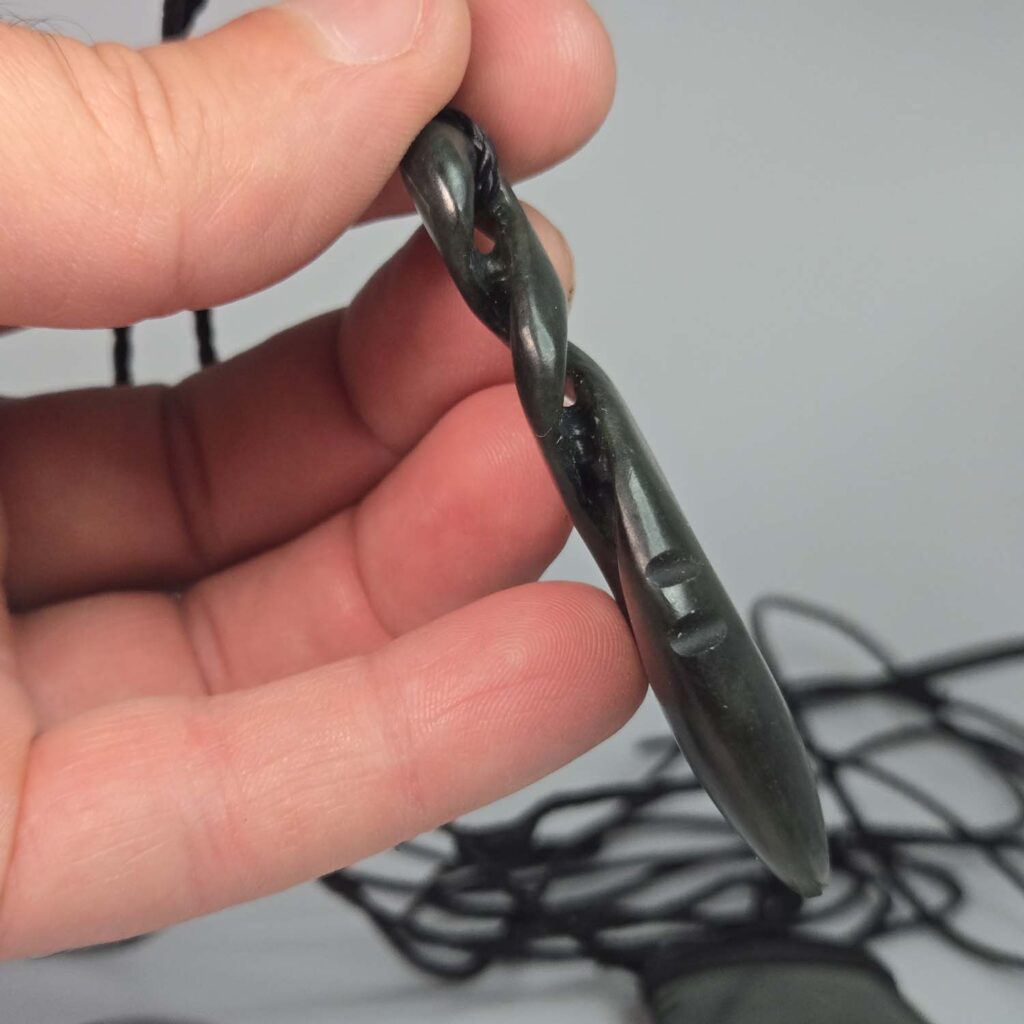
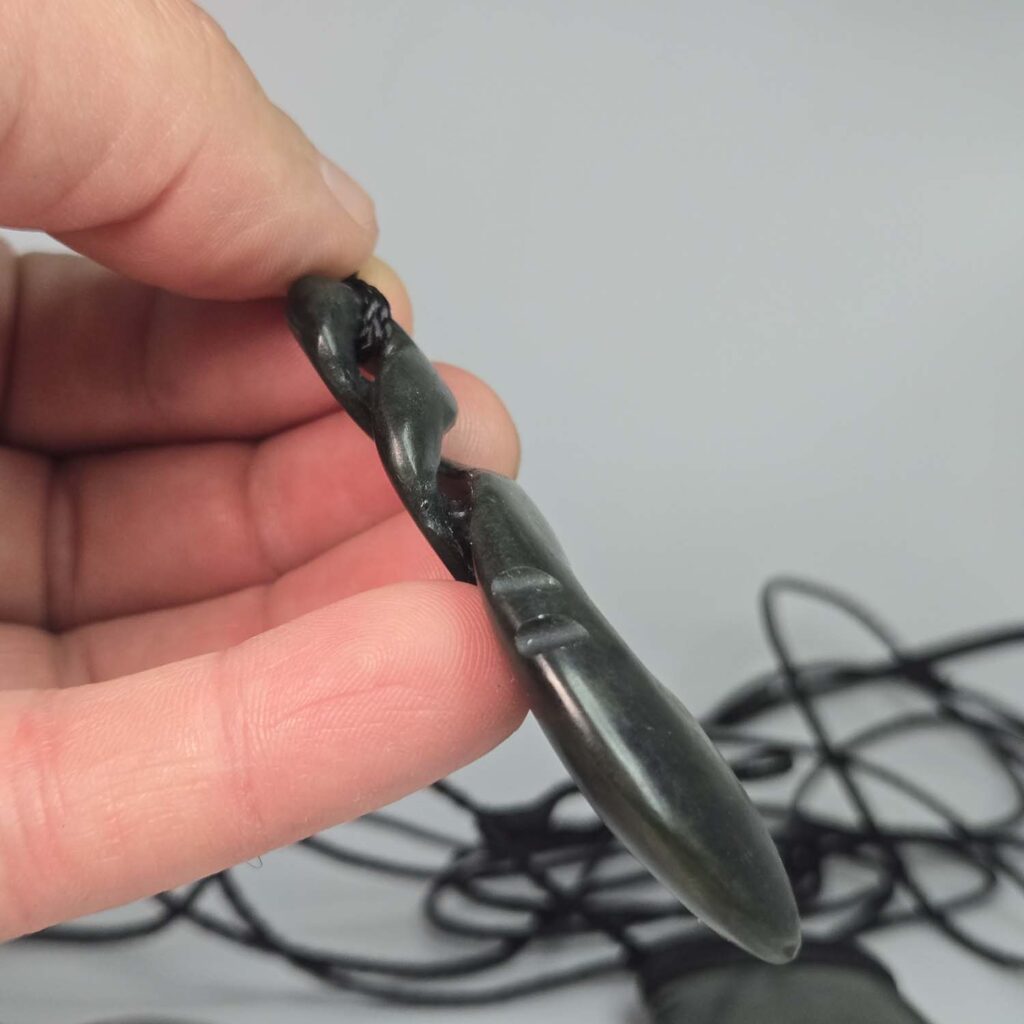
A defining feature across the set is the use of four notches carved into every piece. These notches represent each member of the whānau. Repeated consistently across all four taonga, they act as quiet markers of belonging. Wherever these pieces travel, they carry that connection with them.
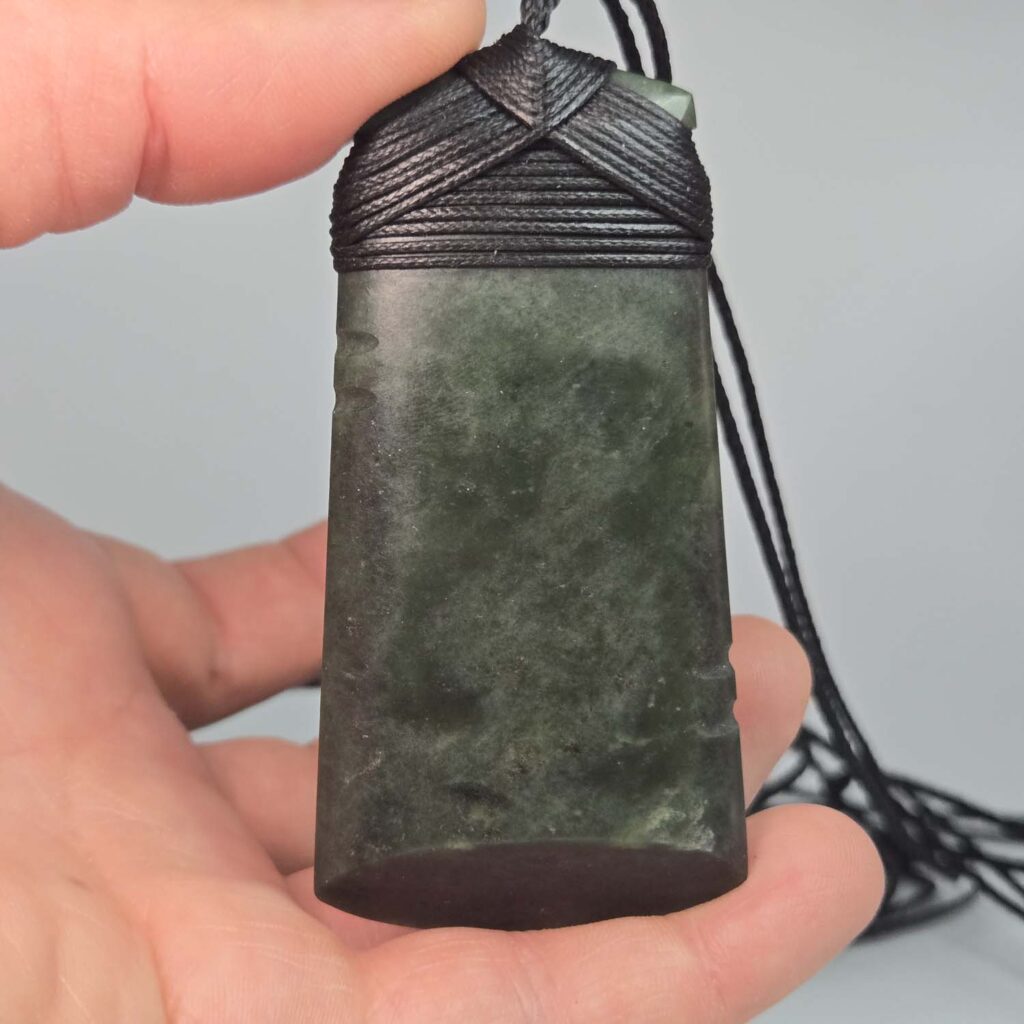
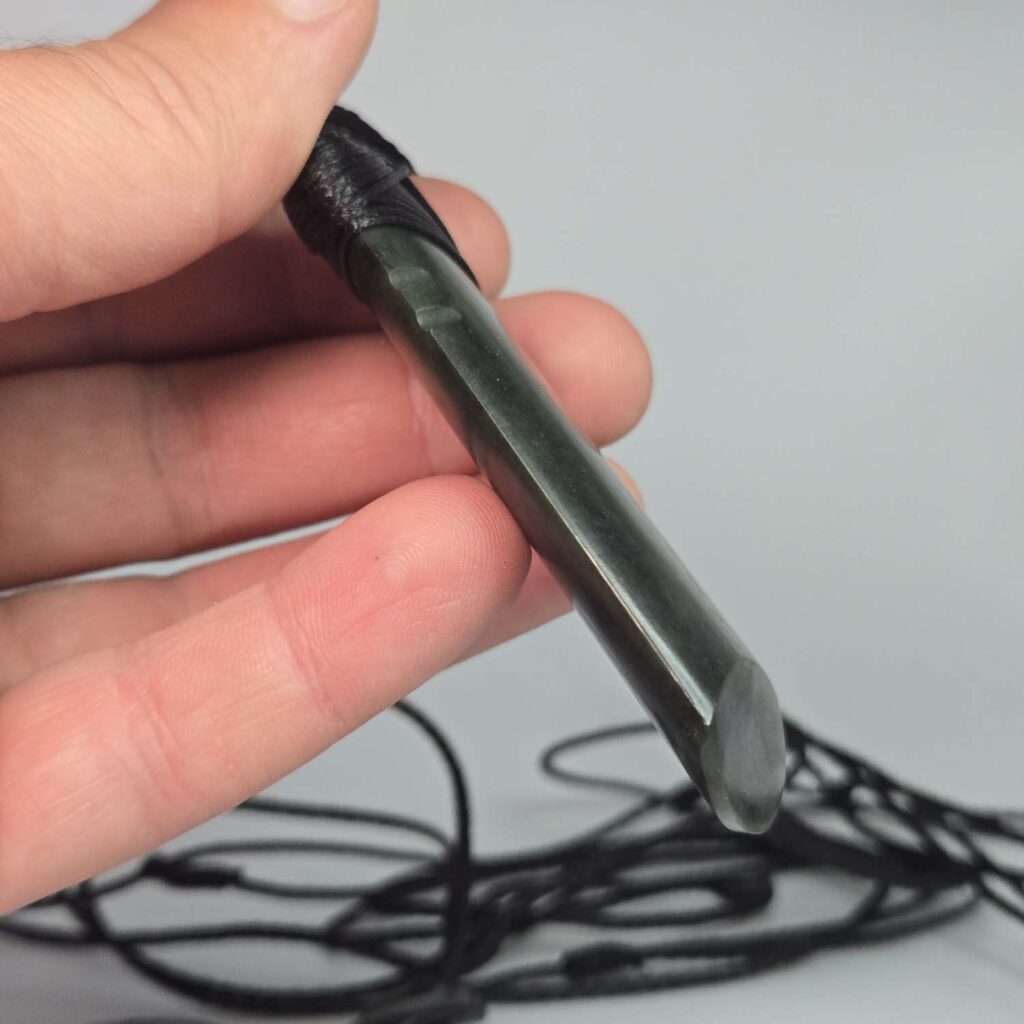
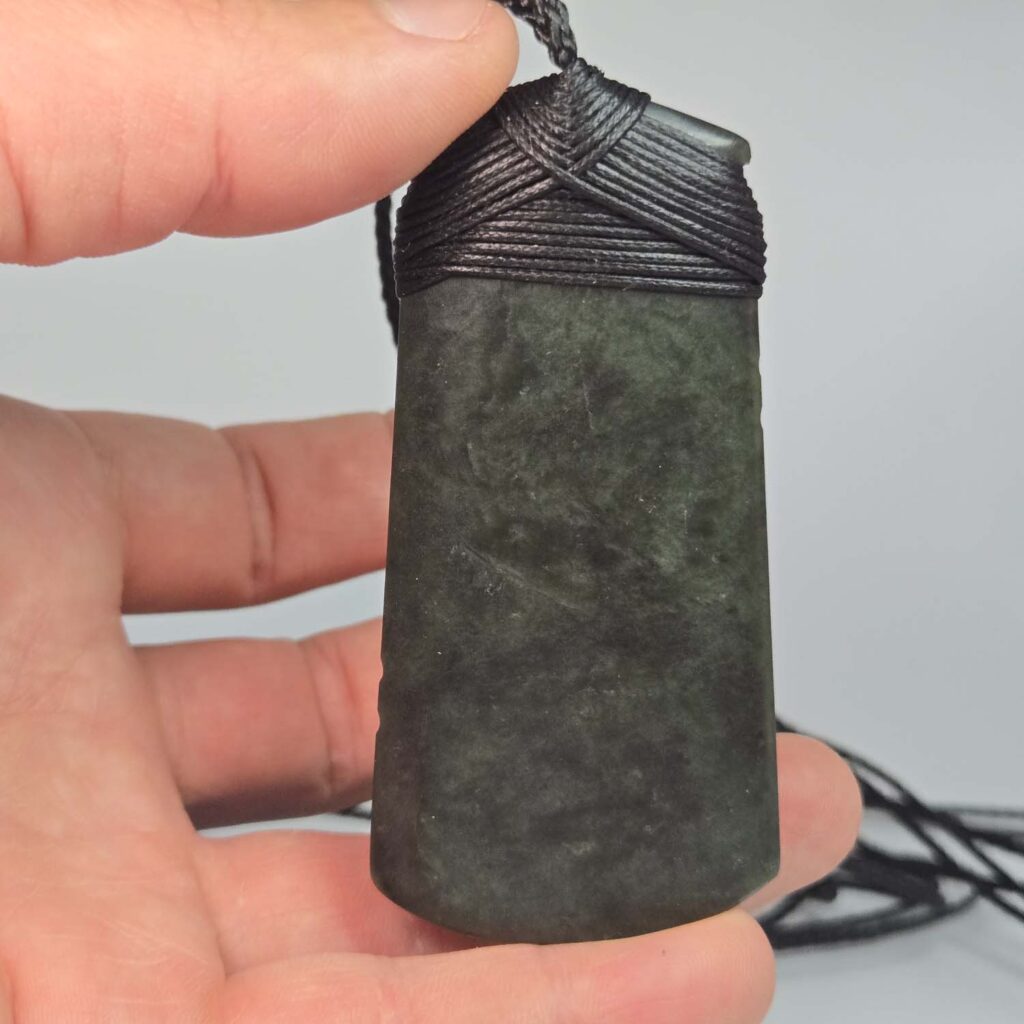
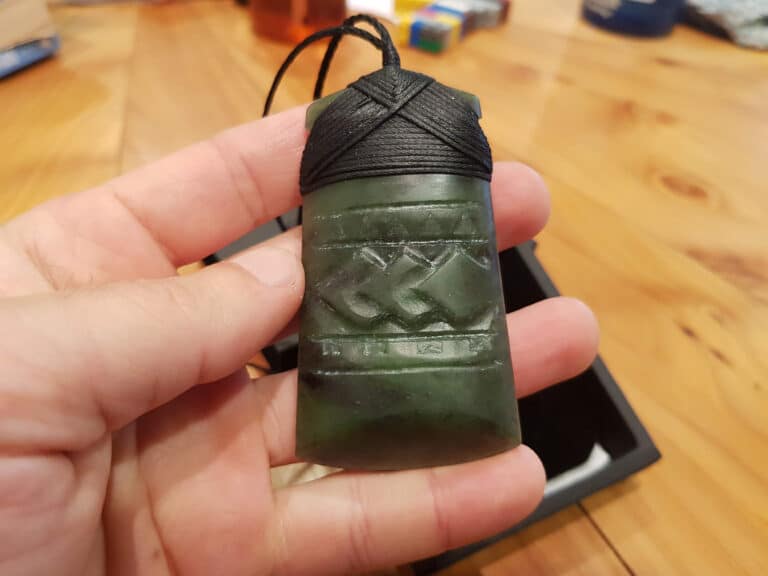
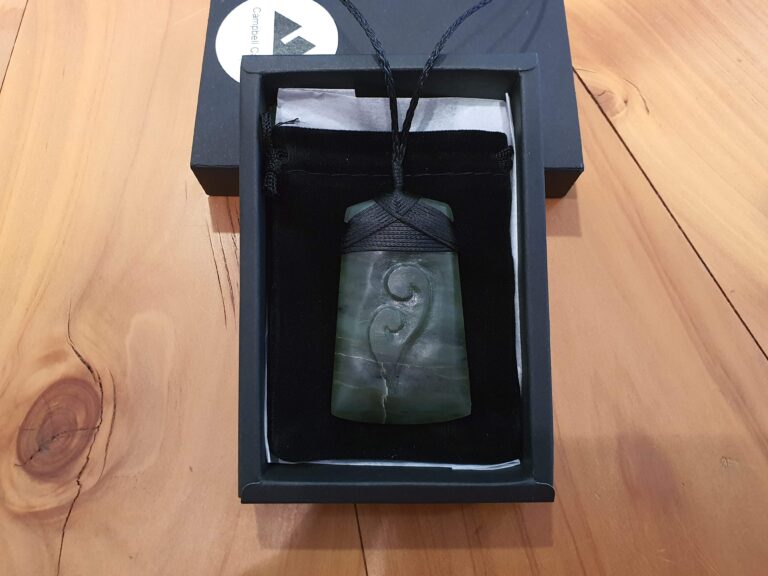
The Hei Toki carved for the father is 80mm long and sits as the anchor of the set. The toki was chosen to reflect his importance within the whānau unit. It represents power, courage, and determination, not as dominance, but as responsibility. This piece acknowledges the strength he brings through his support, his steadiness, and his drive to create and protect a future for his whānau. The weight and presence of the toki reflect that role clearly.
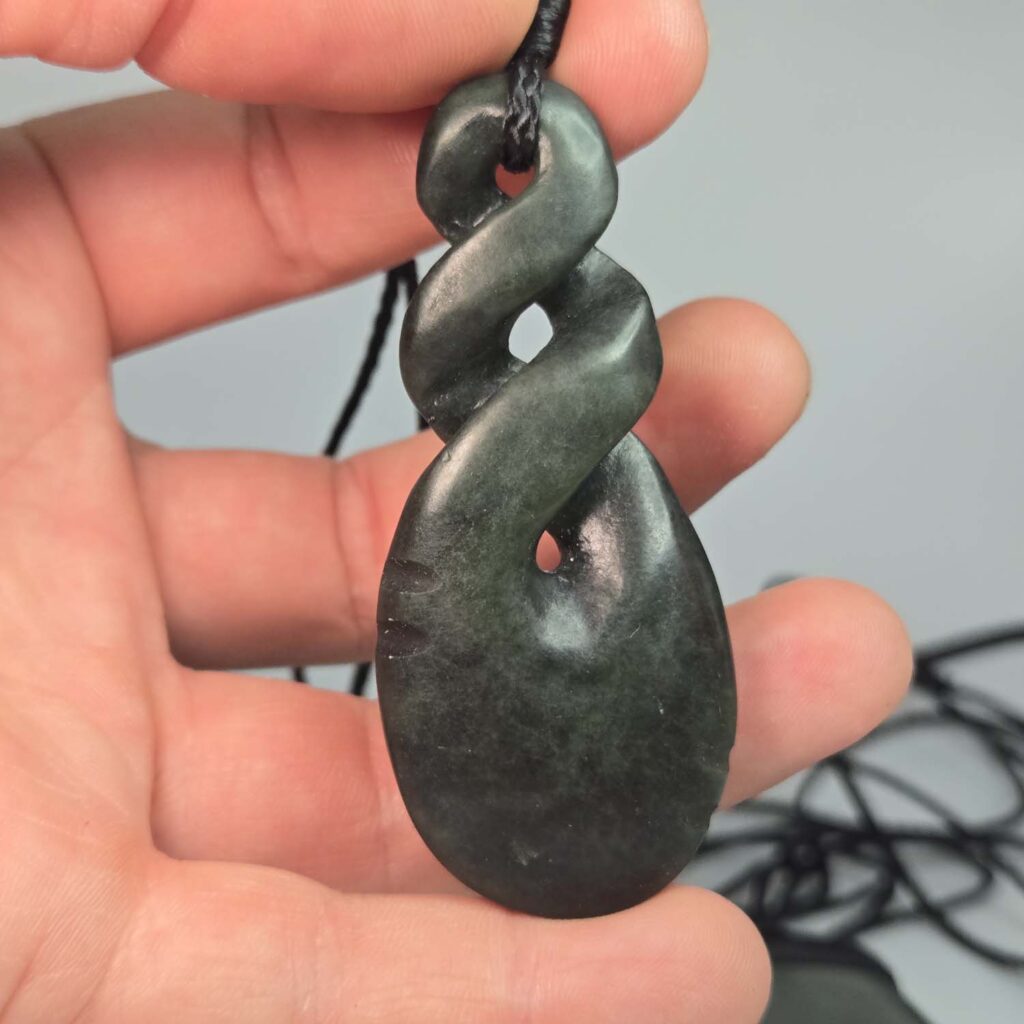
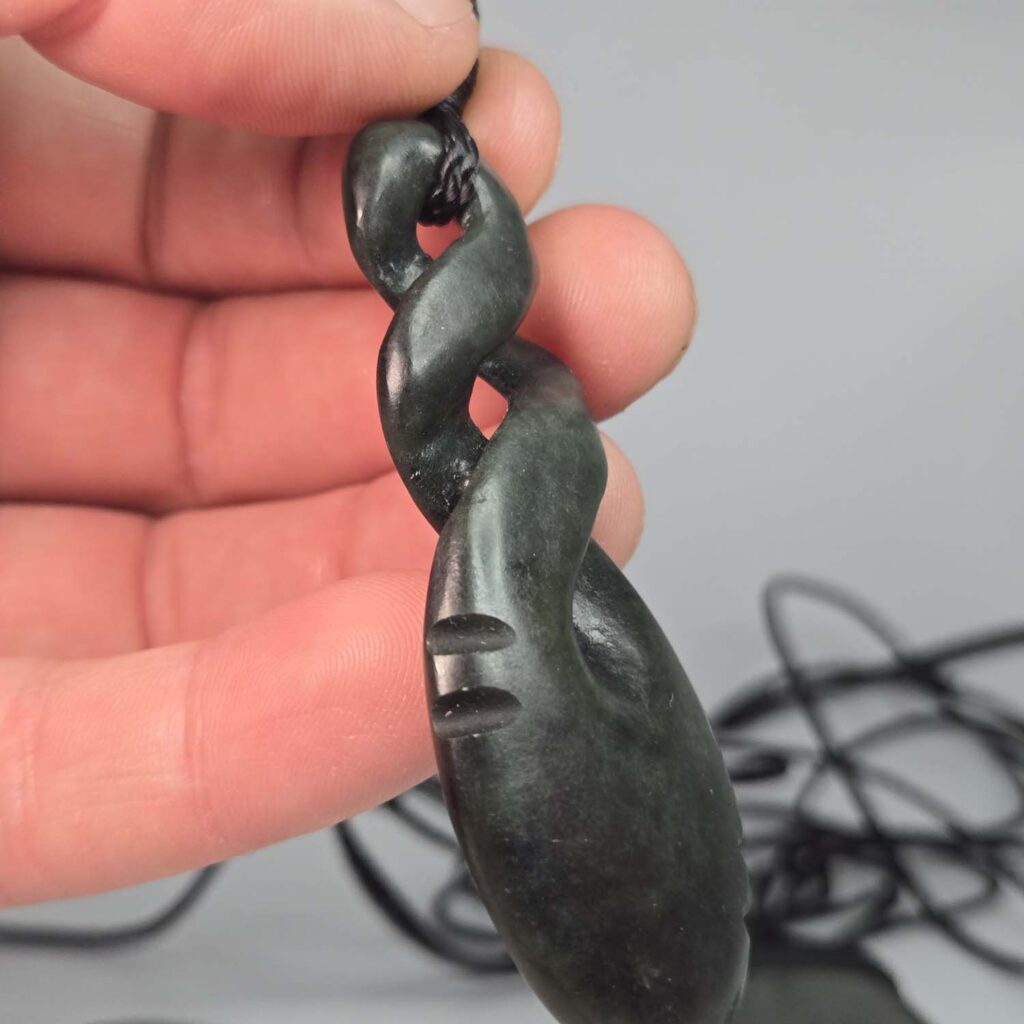
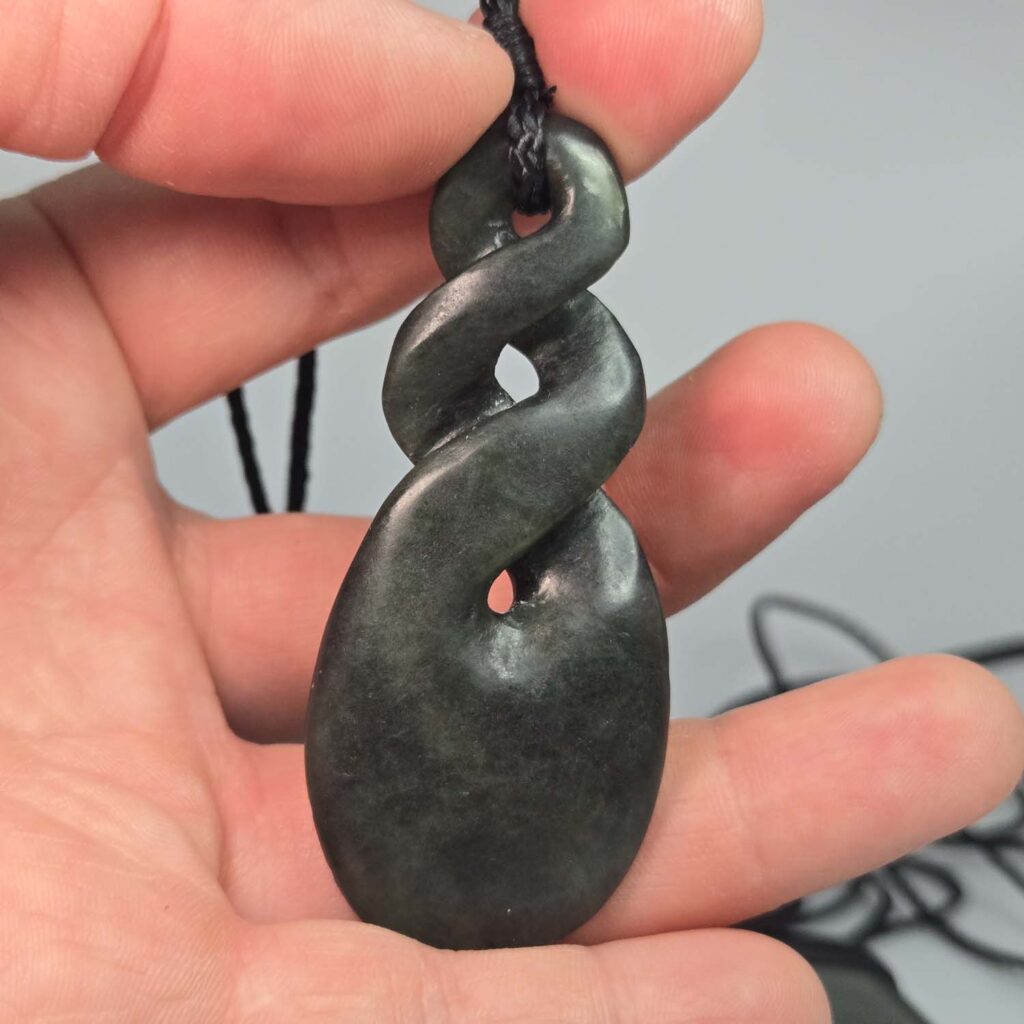
For the mother, a 70mm double twist Pikorua was carved. The pikorua speaks to enduring connection, the way relationships are intertwined and strengthened over time. This form was chosen to reflect her role as the one who holds the whānau together, balancing care with resilience. The double twist reinforces not only the partnership between parents, but the ongoing connection that flows through to their children.
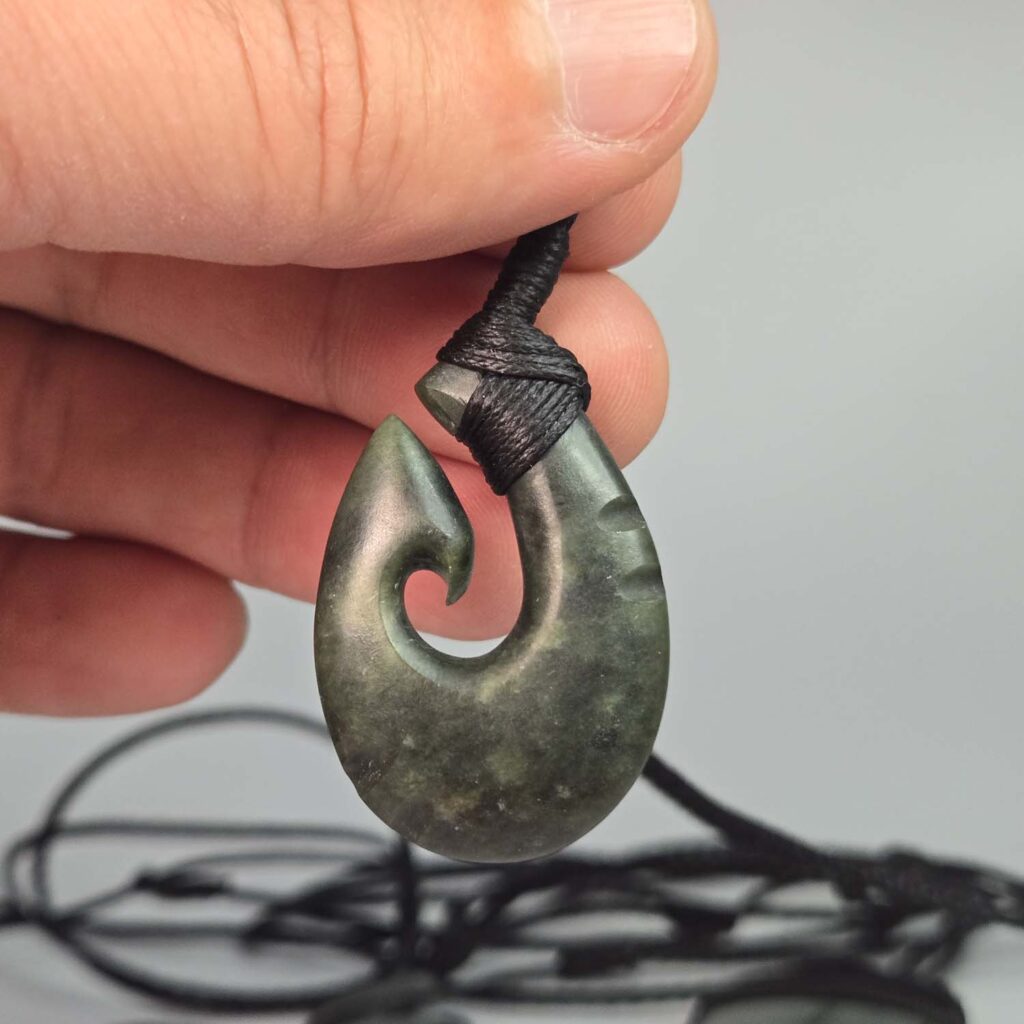
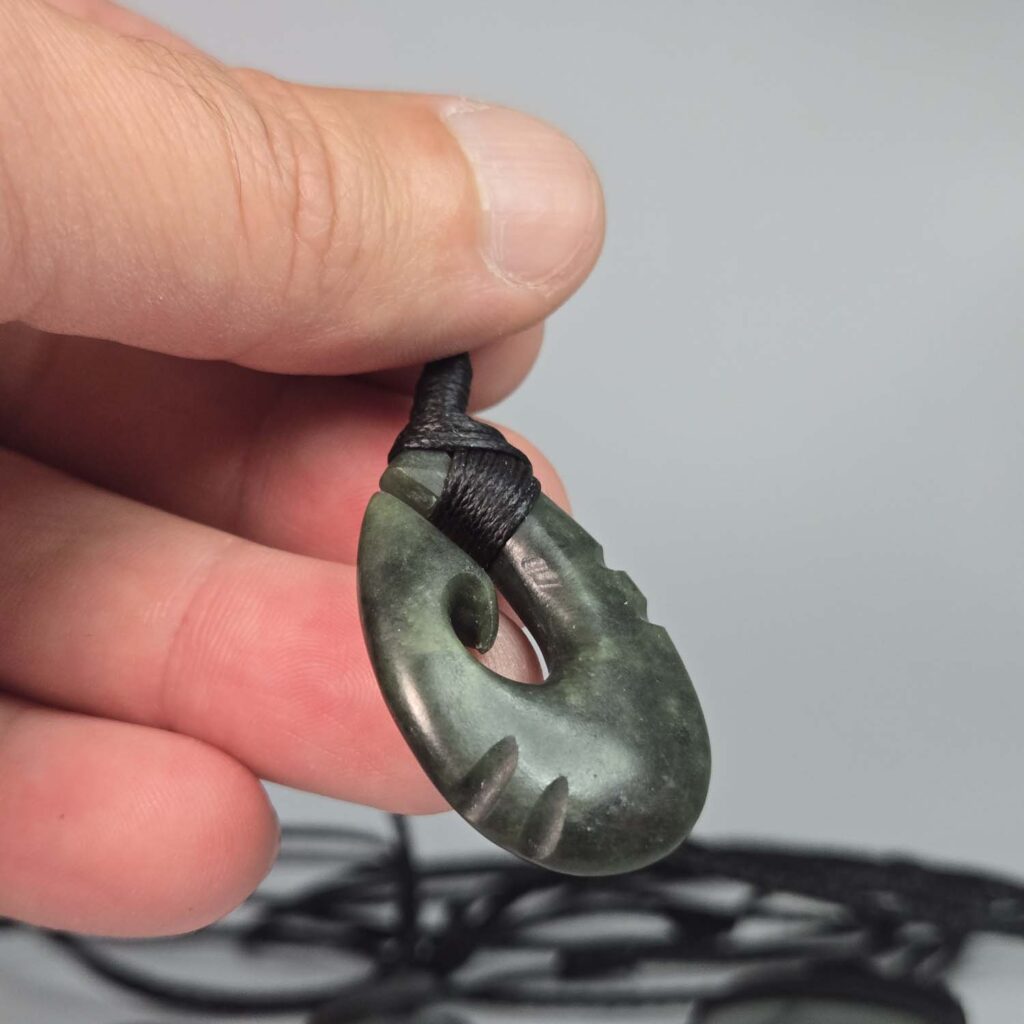
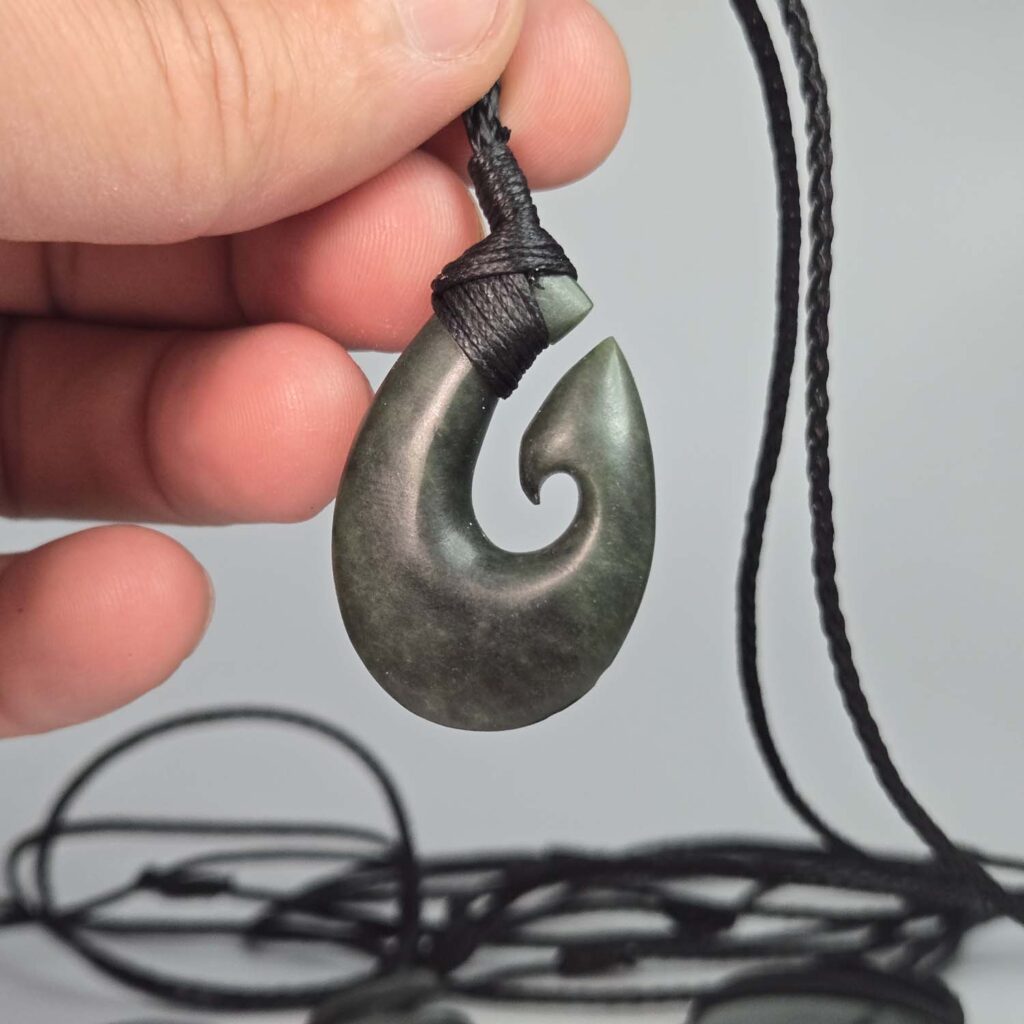
One of the children wears a Hei Matau, 40mm long. The matau was chosen for its association with protection, guidance, and safe passage. In this smaller, more compact form, it reflects strength that is growing, and support that surrounds rather than overwhelms. It is a taonga intended to be worn and lived with, offering reassurance and connection as they move through the world.
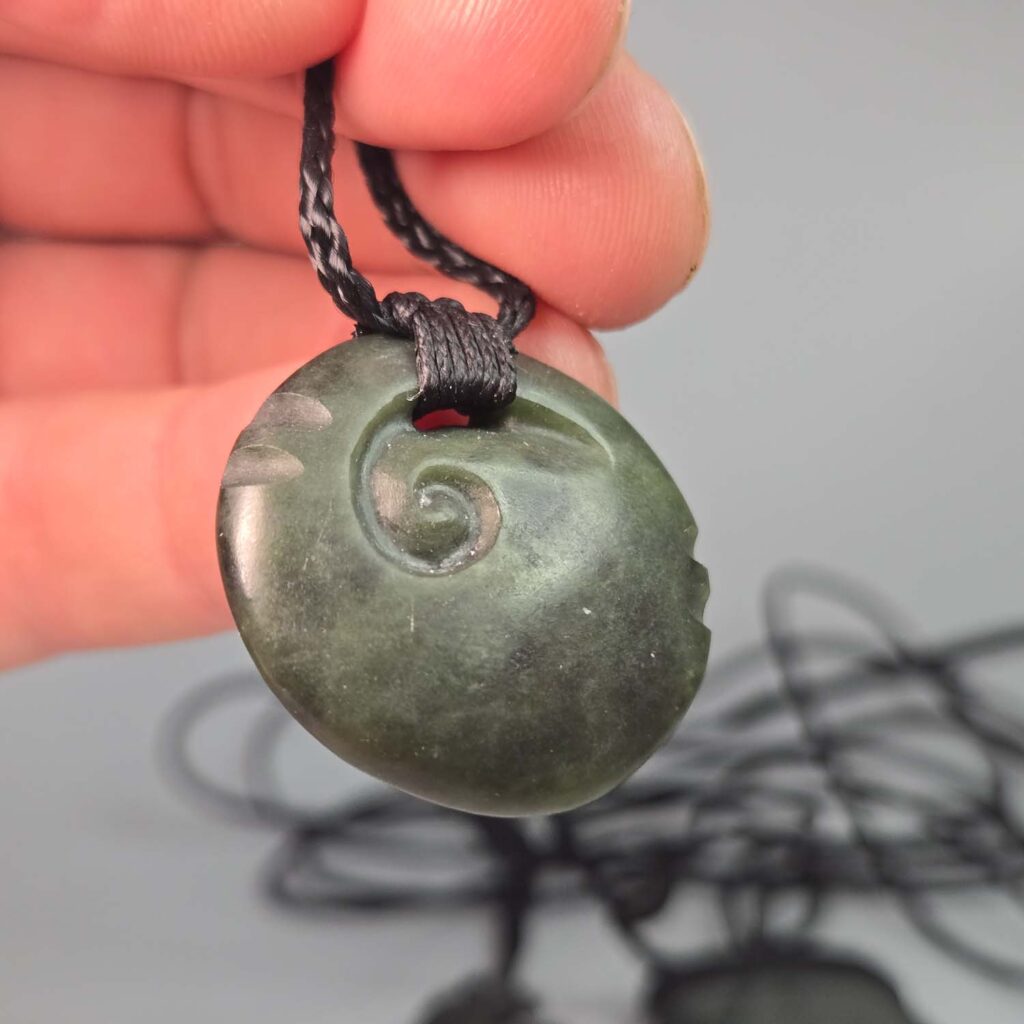
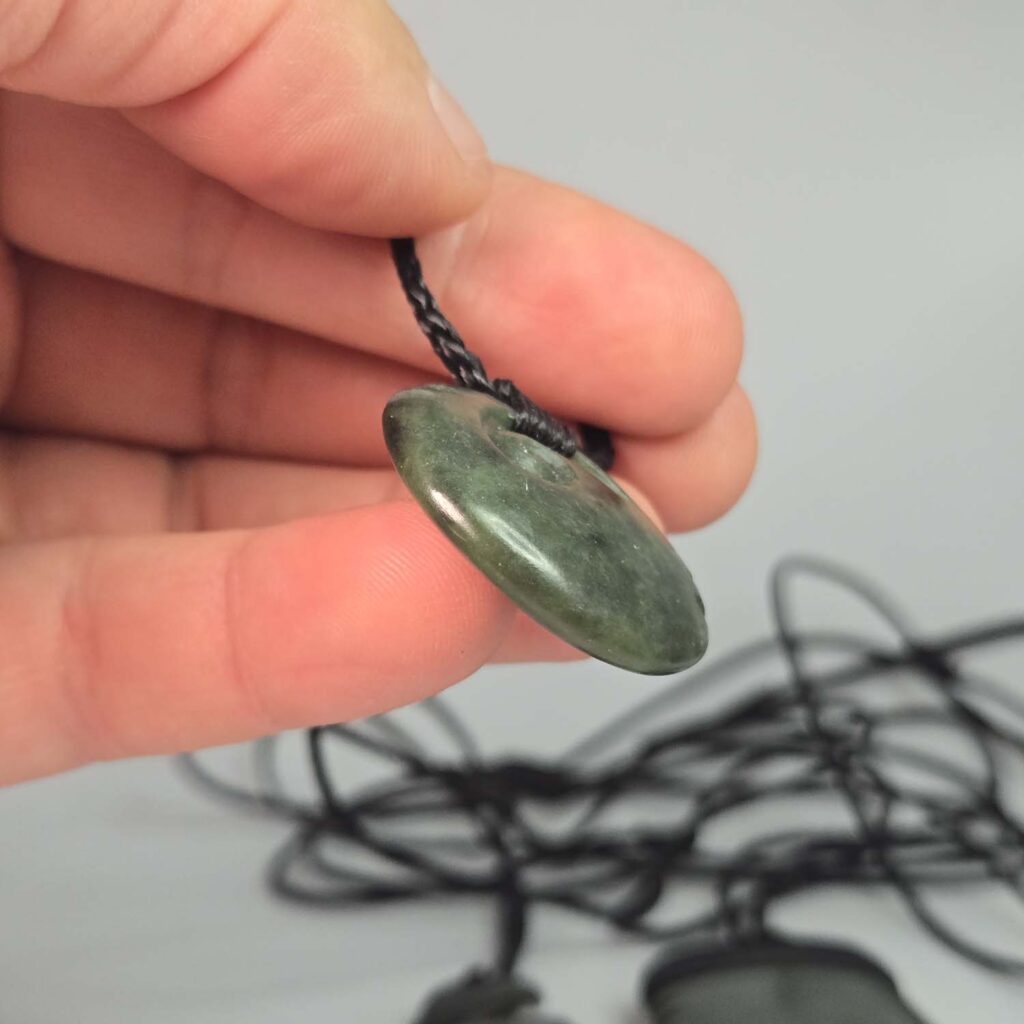
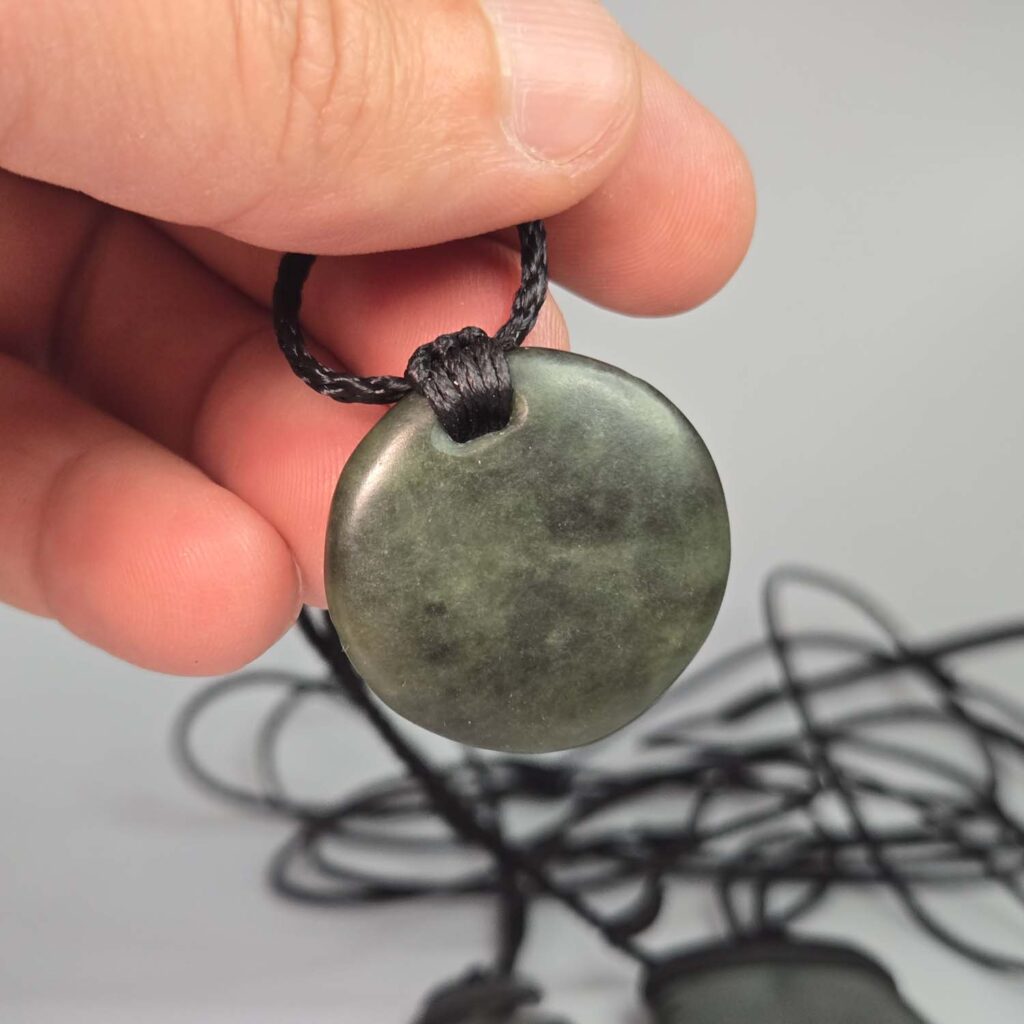
The final piece in the set is a 30mm Porohita. The circle represents wholeness, continuity, and belonging. With no beginning and no end, it symbolises equality within the whānau and the idea that each person is an essential part of the whole. In its simplicity, it carries a powerful sense of inclusion and completeness.
Carving a whānau set like this is always a privilege. Working from a single block of Kawakawa Pounamu from the Arahura carries its own responsibility, holding both whakapapa and future intention in the stone. Whakapiringa is not just a collection of taonga, but a shared foundation, bound together in form, meaning, and connection.