Te Whenua E Tūhono Ana
Te Whenua e Tūhono Ana translates as “the land that connects us”. It speaks to connection through place, whakapapa, and whānau, and to the way land can bind people together through care, work, and shared responsibility. This name reflects both the kaupapa of this set and the origin of the kōhatu itself.
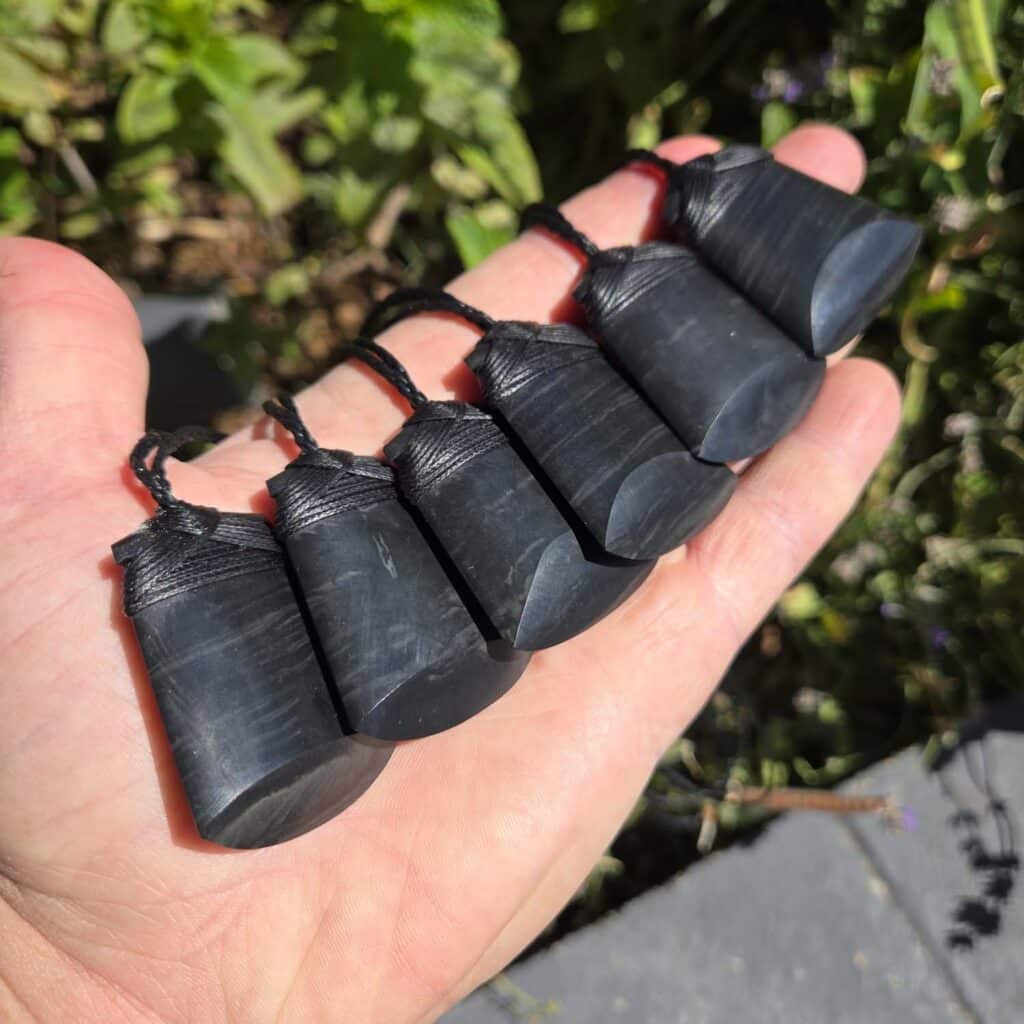
This set of six toki was carved for a whānau of six – a mother, a father, and their four children. One of their daughters is a close friend of mine, and this set was carved as a gesture of appreciation for their manaakitanga, generosity, and the way they live and care for the land together. I wanted these taonga to acknowledge the strength of their whānau bond, and the deep connection they hold with the whenua they farm and protect.
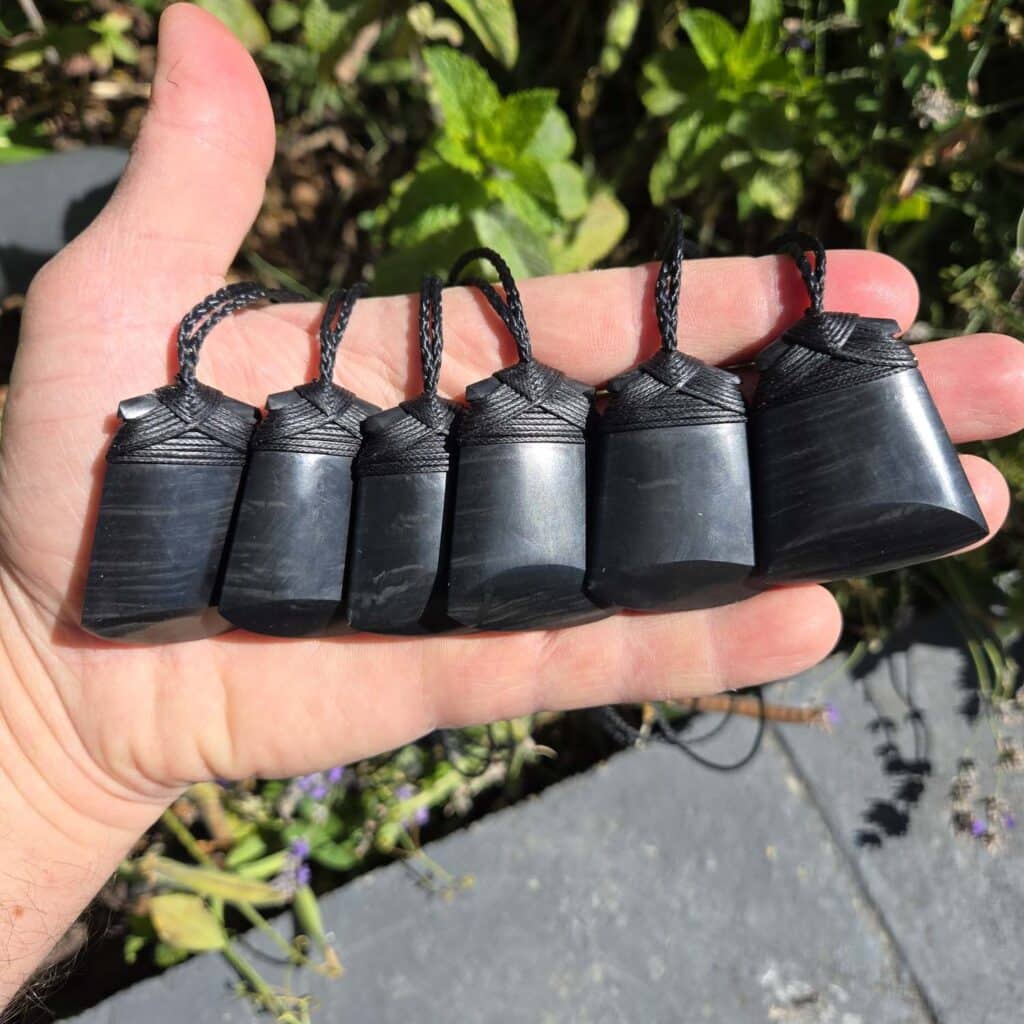
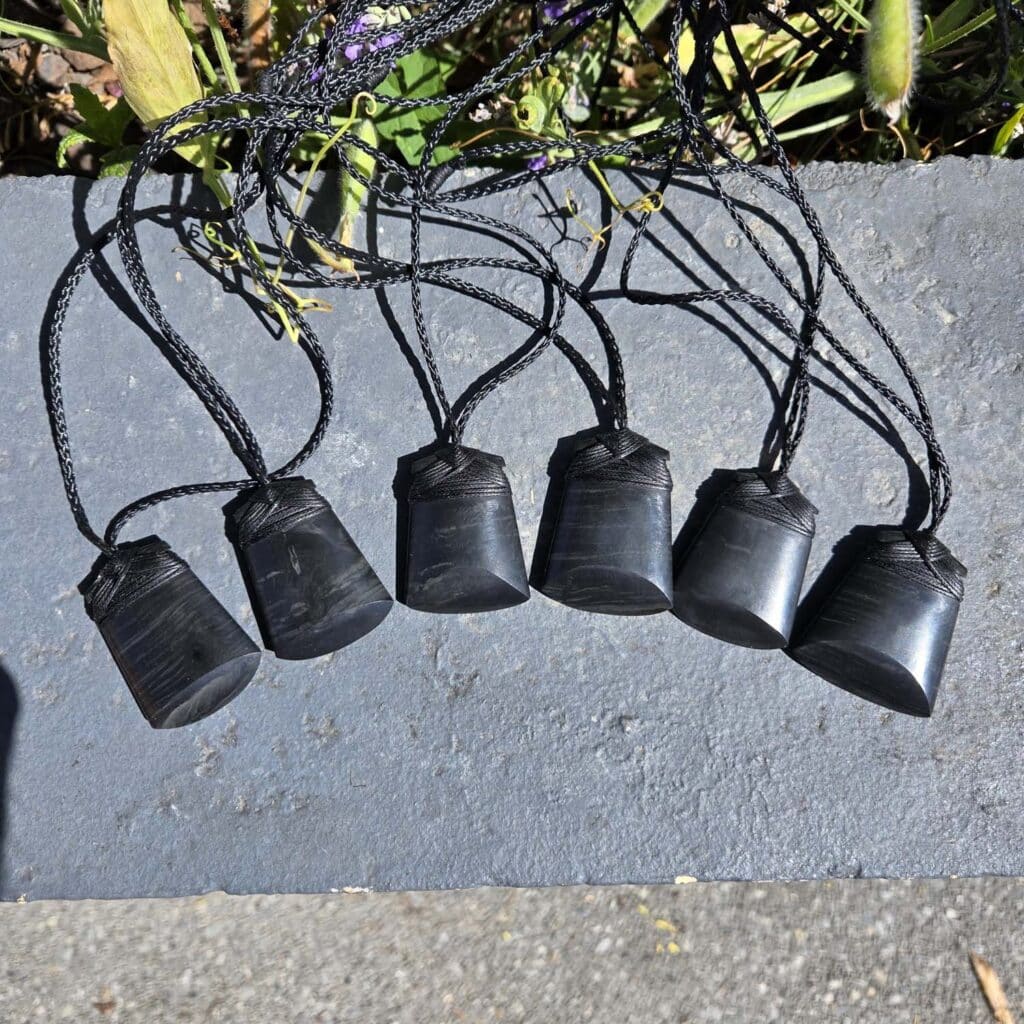
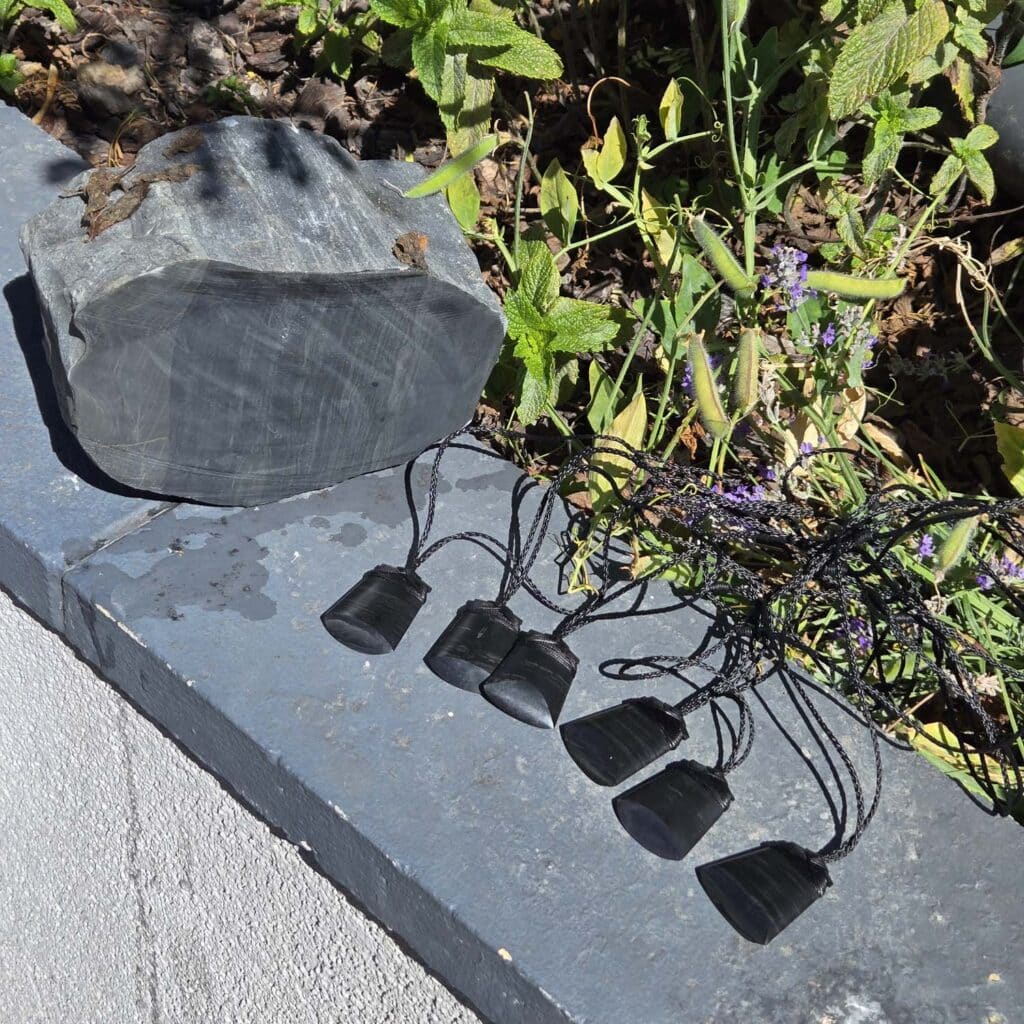
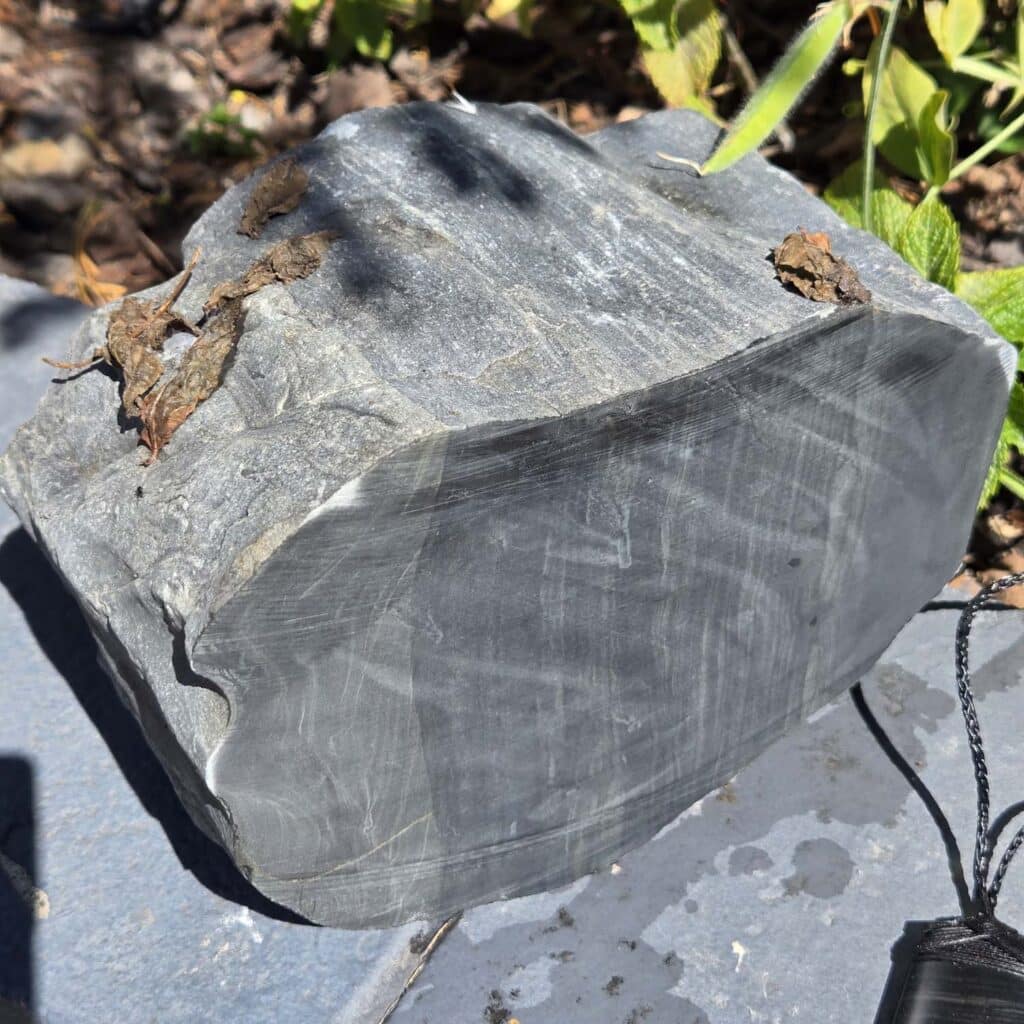
All six toki were carved from the same piece of kōhatu gathered from the hills of the Rakaia Valley, the place that holds their tūrangawaewae. When I was visiting them one day, I noticed argillite outcropping in the hills and asked if I could take some for carving. With their permission, I collected stone from within the same valley they live and work in. Using stone from their own landscape felt important. It anchors these taonga directly to their whenua, making them not just symbolic, but physically of the place they belong to.
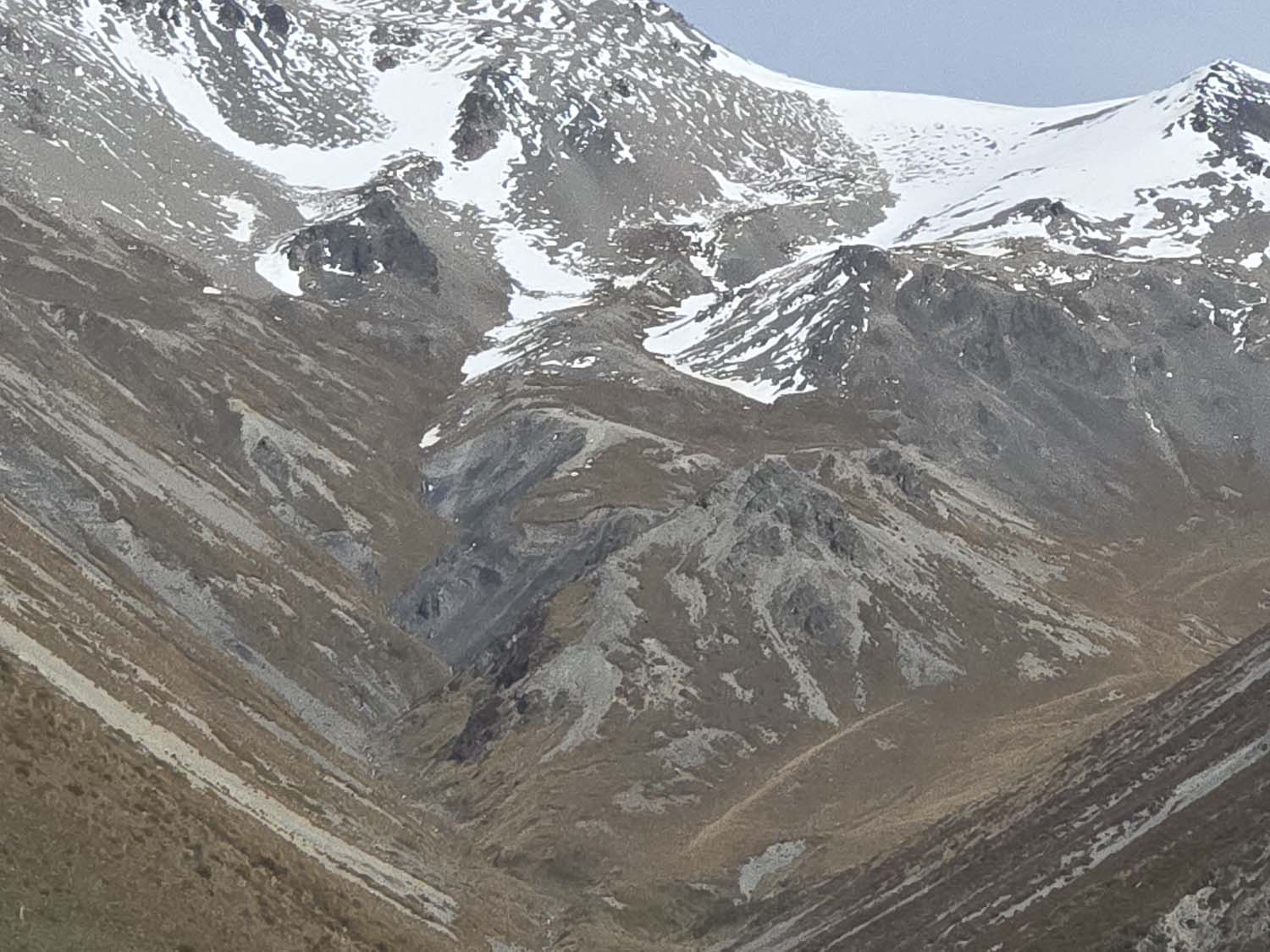
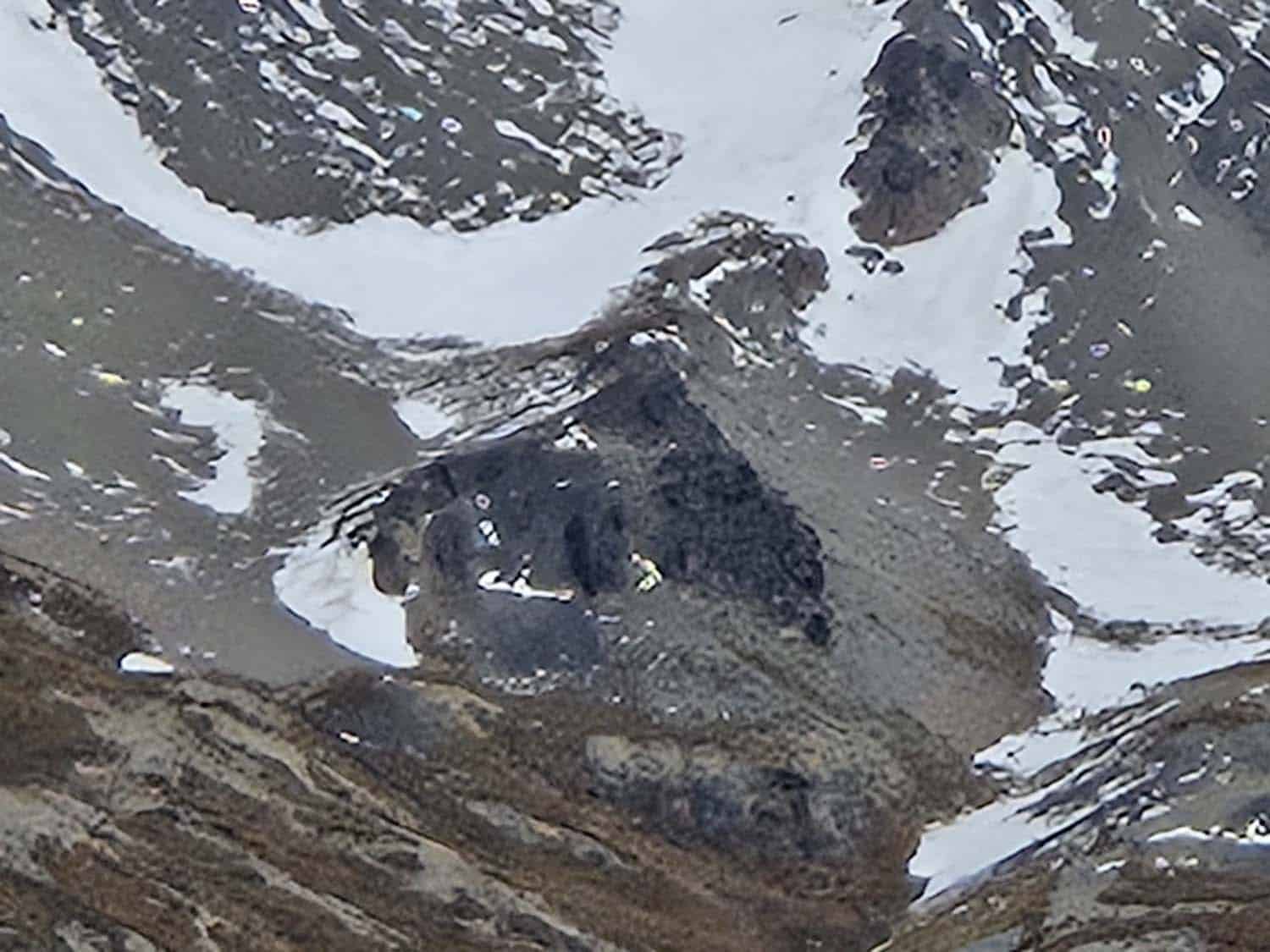
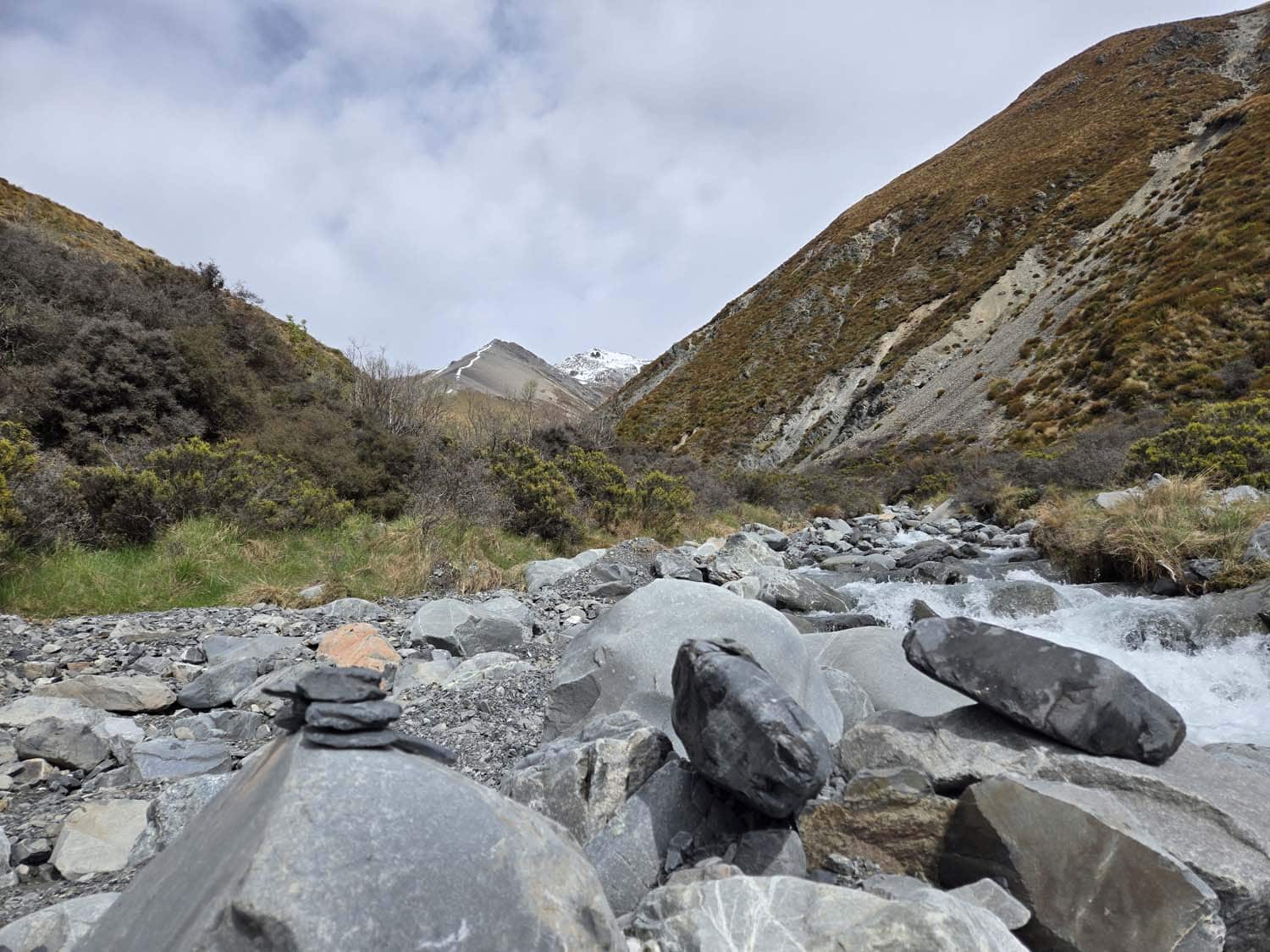
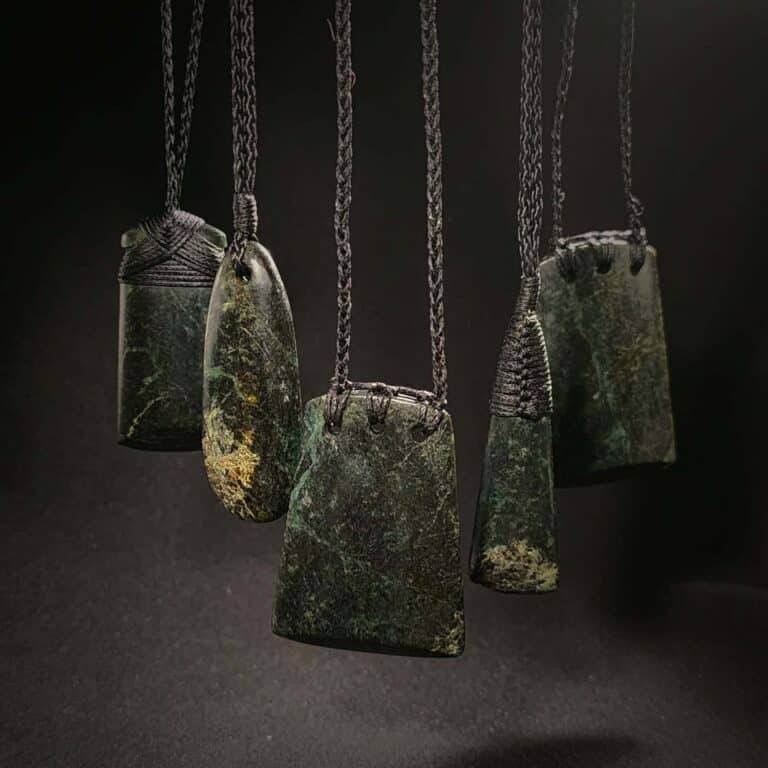
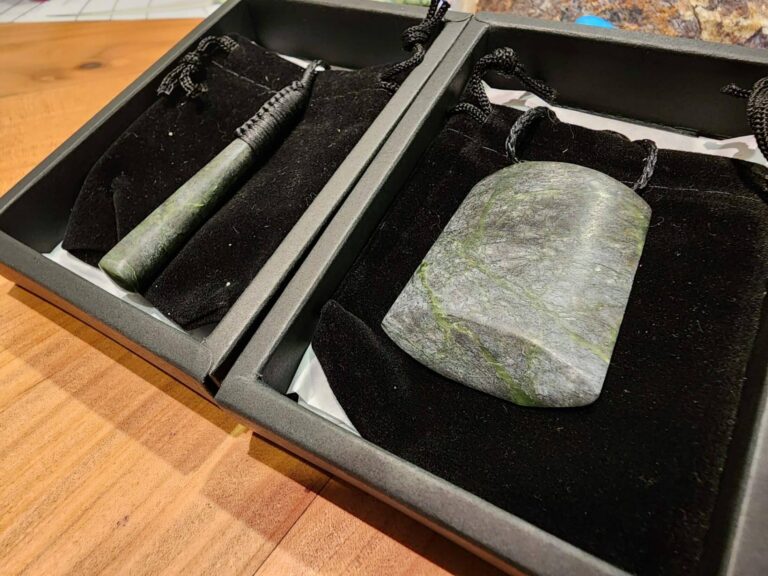
The argillite used for this set is a very dark grey to black stone, with fine lighter grey striations and layered markings running through it. At first, I thought it might be pākohe, but I have since learned that pākohe refers specifically to argillite from the Tasman region. This stone is different in formation, but it is still a beautiful kōhatu to carve, with a fine, consistent grain that takes detail and polish well. Each toki carries the same patterning through the stone, reinforcing the sense that these pieces are connected, related, and part of a whole.
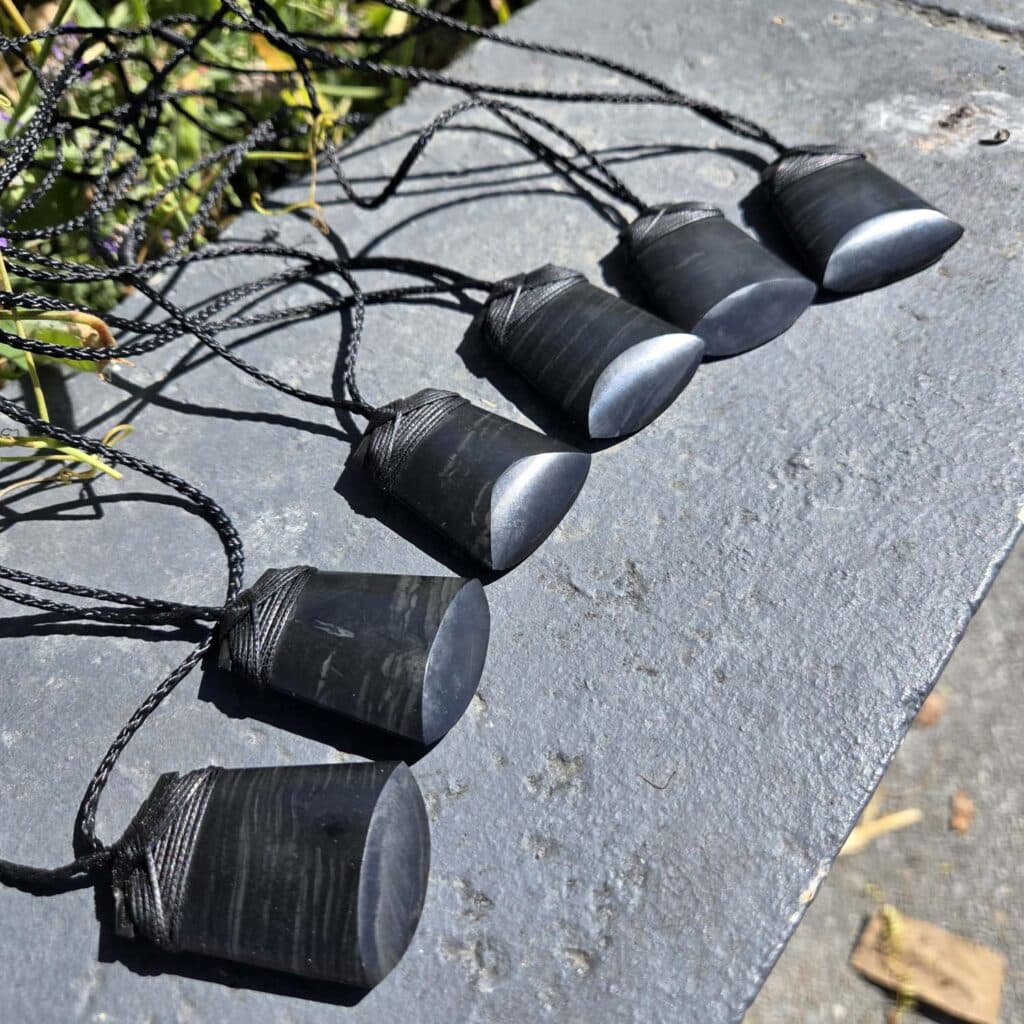
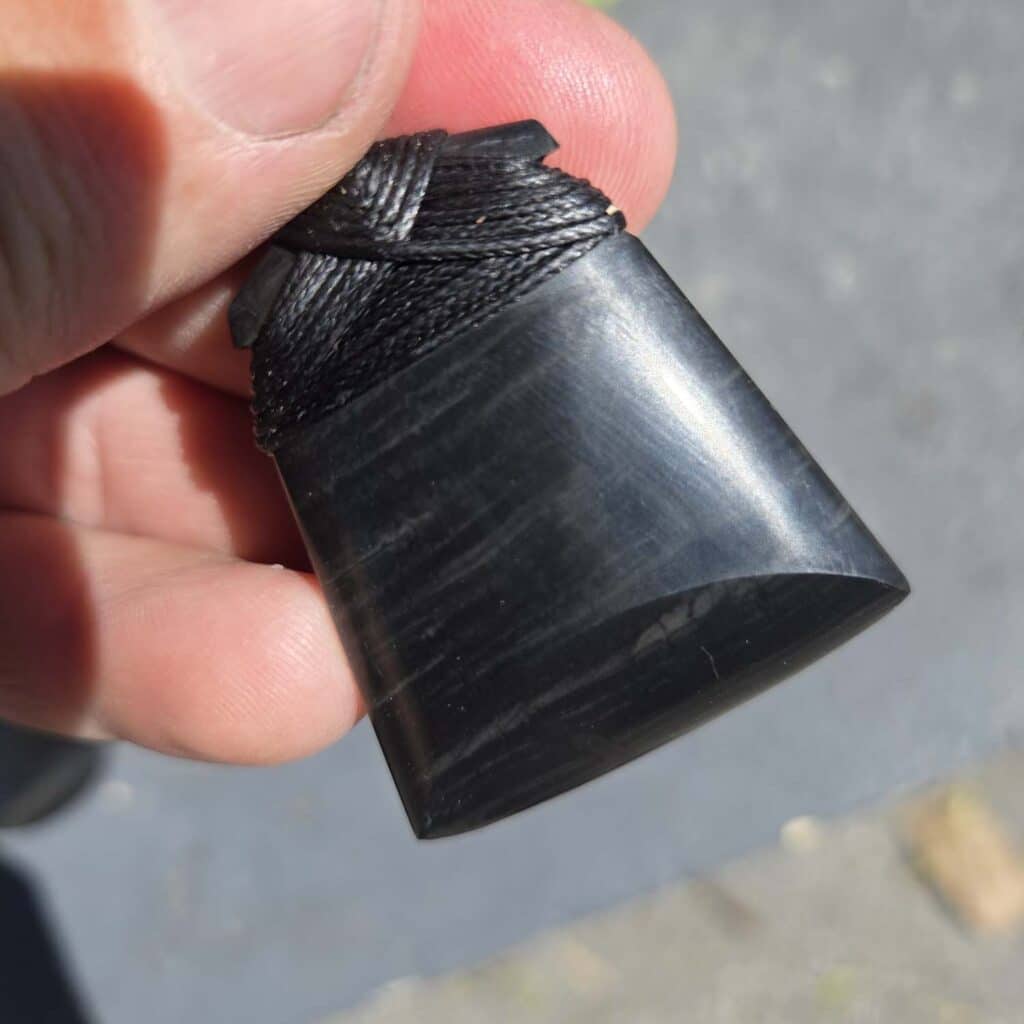
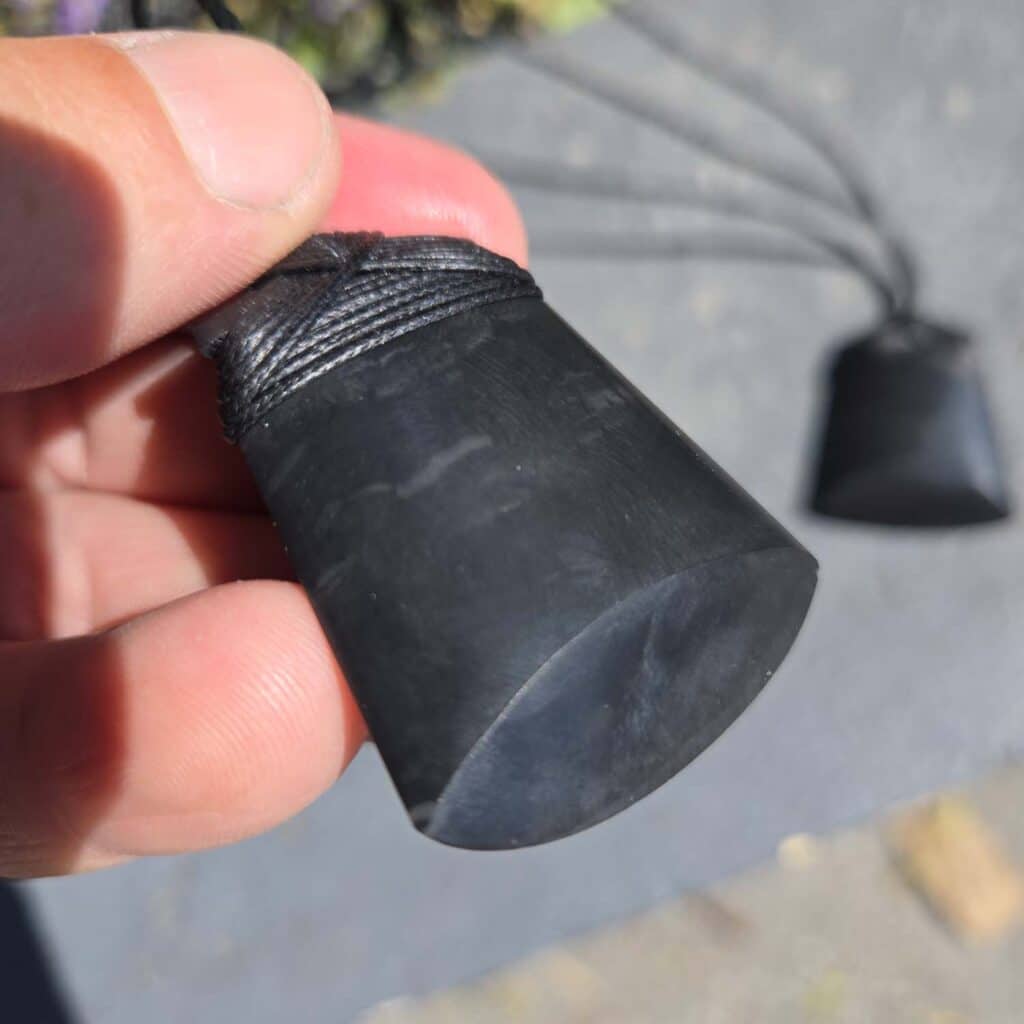
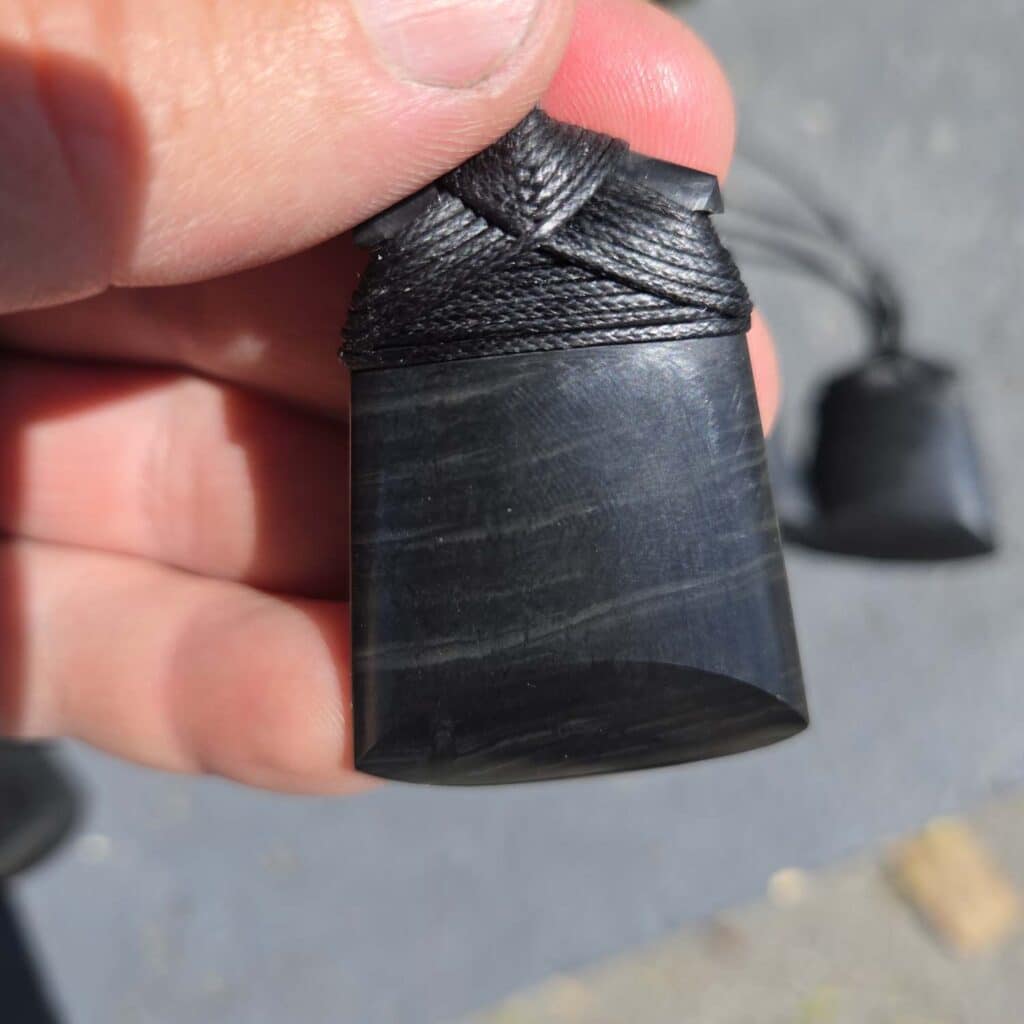
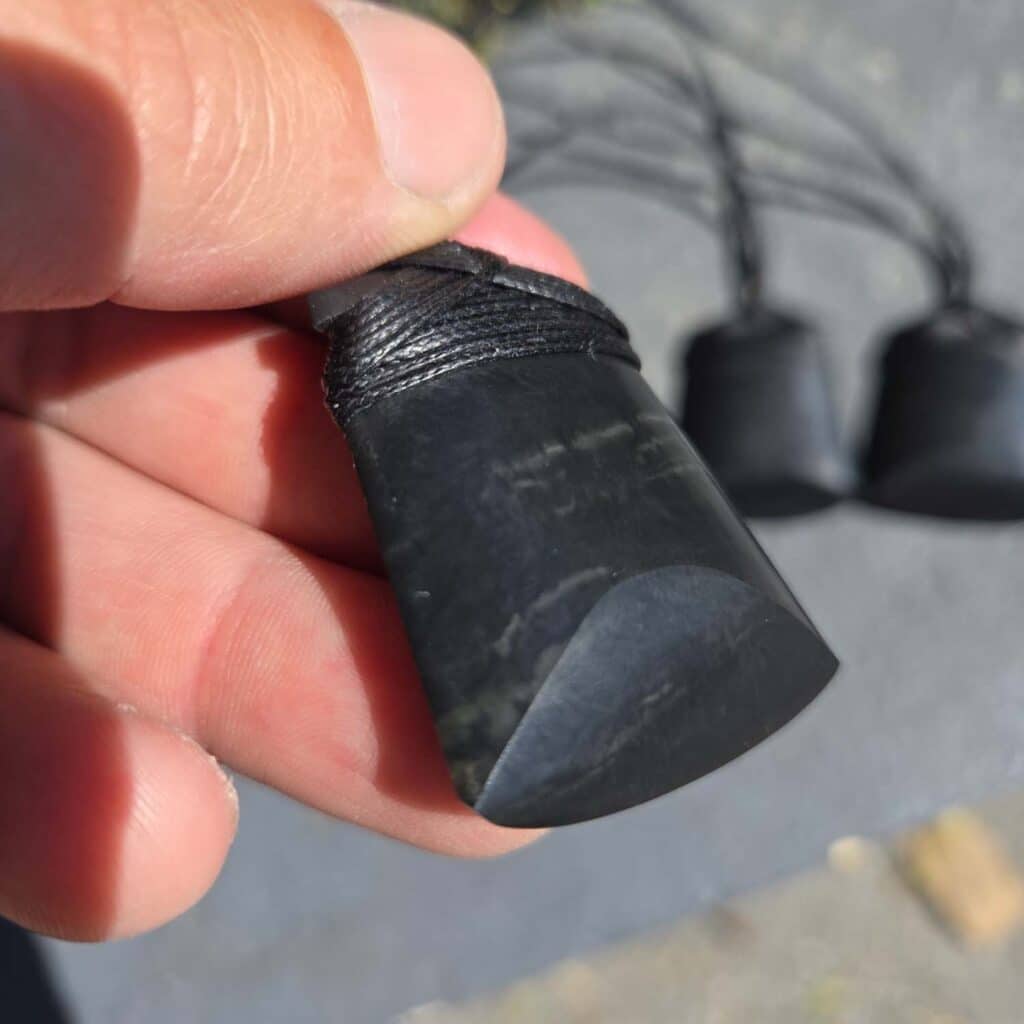
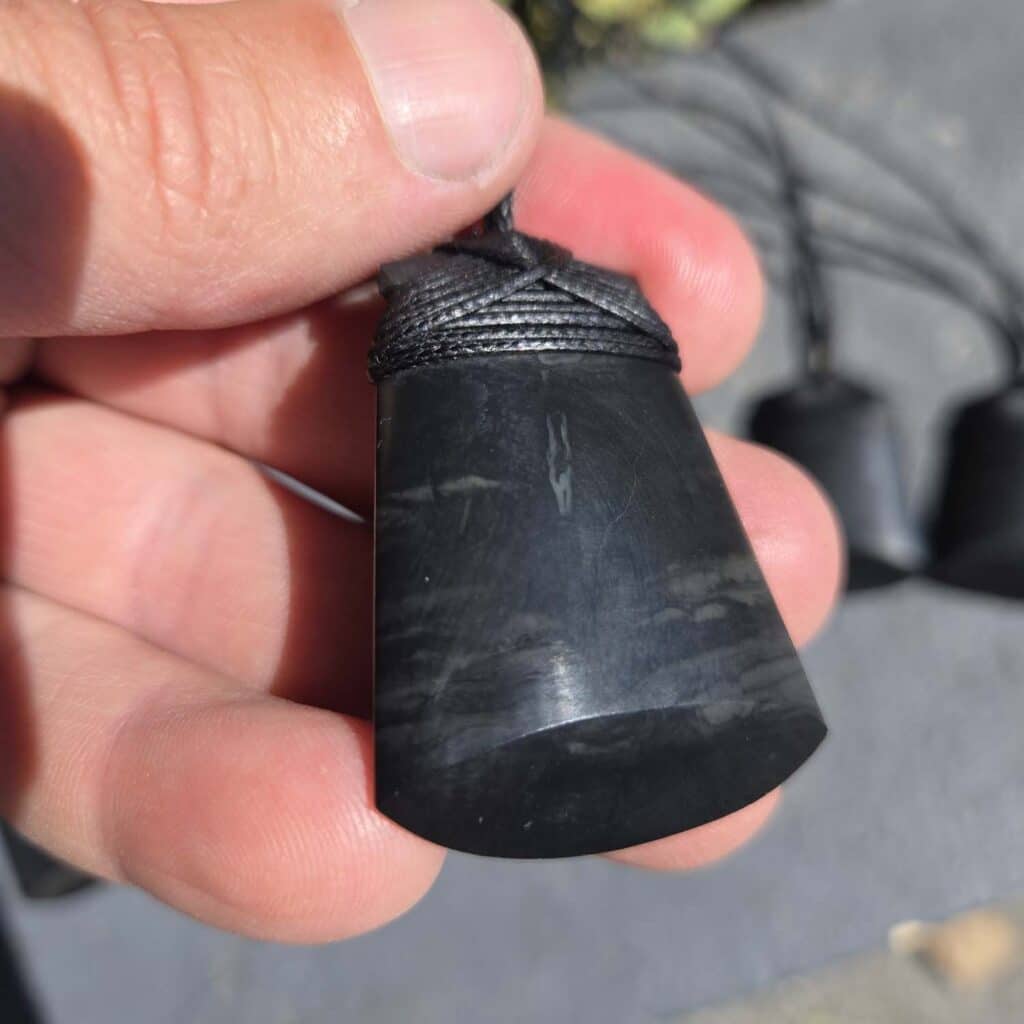
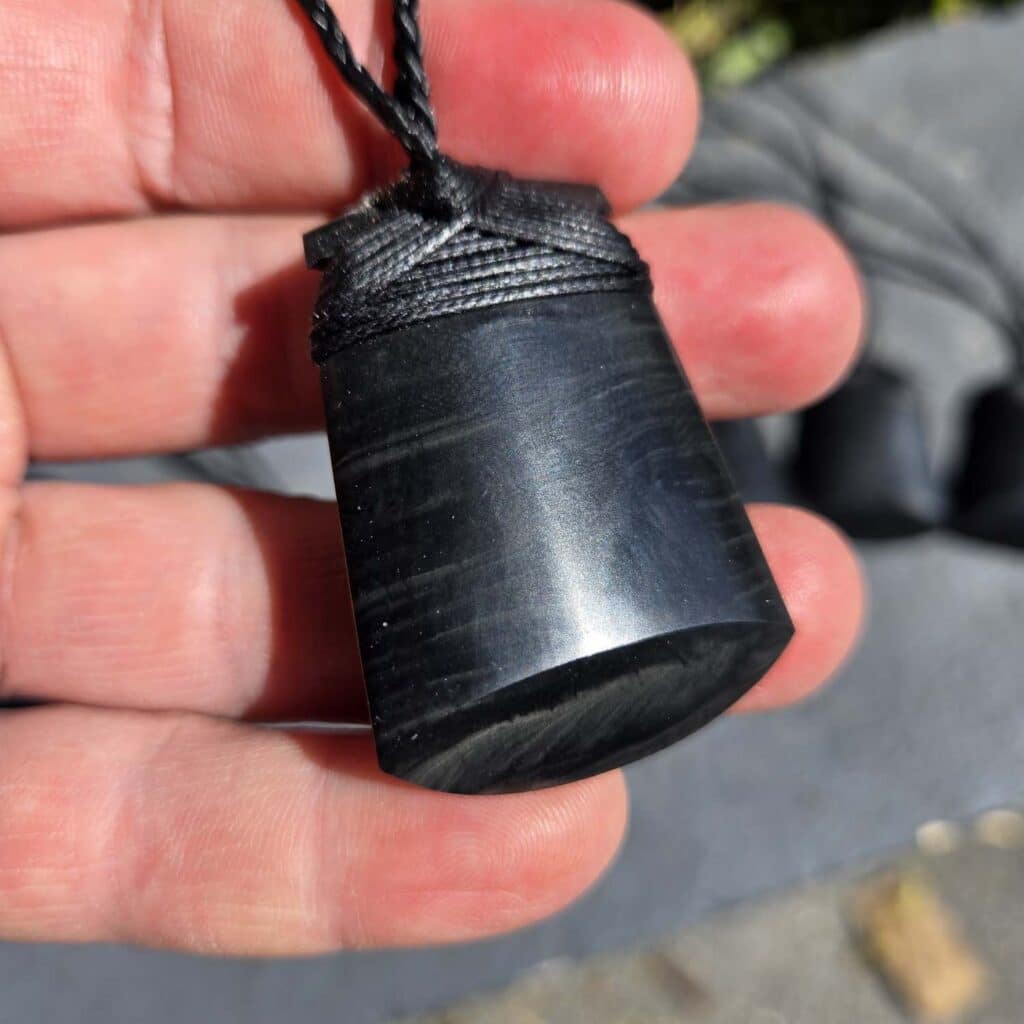
Each toki is approximately five centimetres long and carved in a consistent form, allowing the stone itself to speak. The toki shape traditionally represents strength, effort, and the ability to shape the world through work. In this context, the form reflects the shared mahi of this whānau – working the land, supporting one another, and building a life grounded in care, responsibility, and connection.
These taonga were carved as a thank you, but also as a recognition of something deeper. Te Whenua e Tūhono Ana is about love expressed through action, connection expressed through place, and the quiet strength that comes from standing together as a whānau, rooted in the land that sustains them.